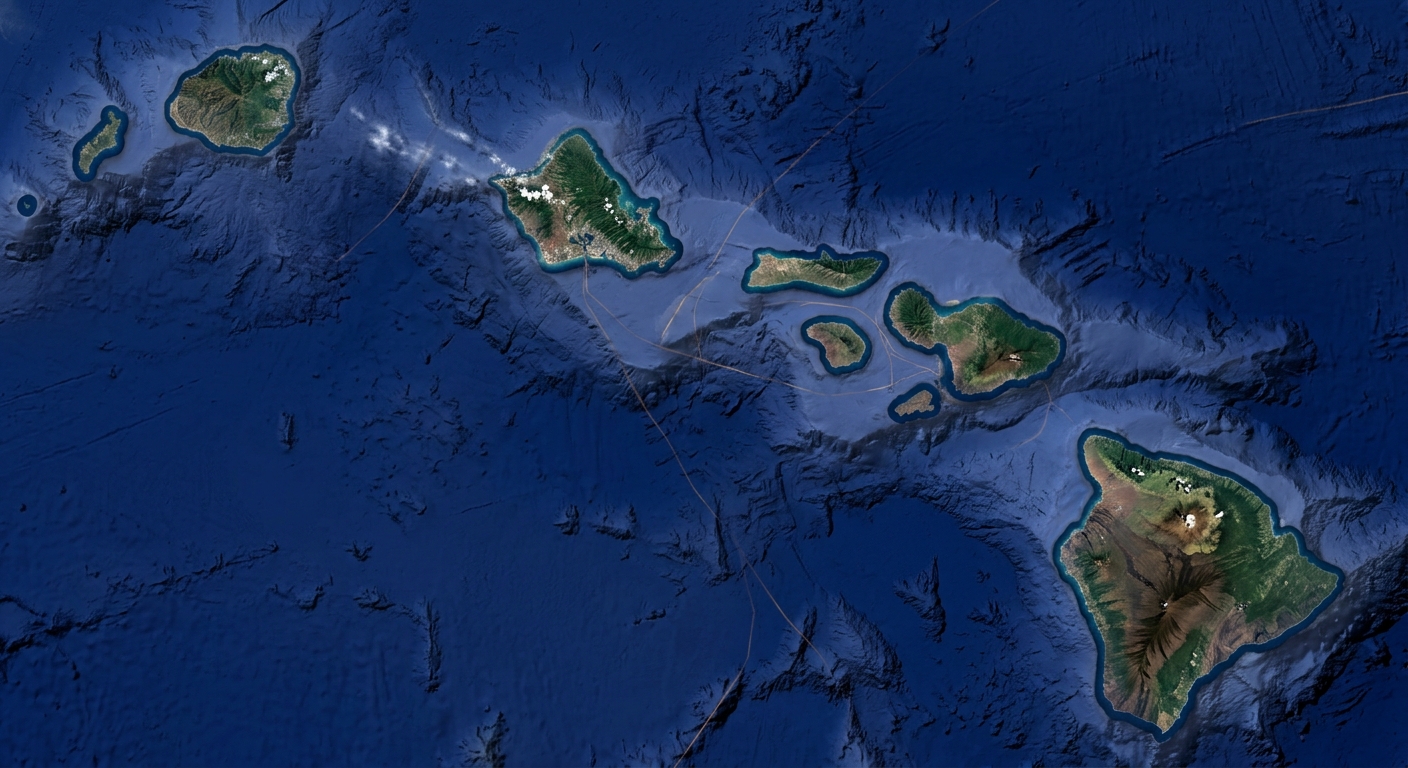
For residents of Molokai, the remote districts of the Big Island, or rural Kauai, seeing a specialist can mean an expensive inter-island flight and a day's travel. Hawaii is now putting $12.5 million toward making that trip less necessary, funding a statewide telehealth network designed to connect these communities to care they currently struggle to reach.
The funding, a federal Rural Health Transformation grant awarded to the Executive Office of the State of Hawaii, will support six interconnected initiatives aimed at rebuilding the state's rural health system from the ground up. A significant piece flows to the University of Hawaii to build and operate the Pili Ola Telehealth Network. The name, roughly translated from Hawaiian as "connected to life," signals an intentional effort to weave cultural identity into the infrastructure itself. The network will link rural patients to providers across the state, integrating virtual care, digital health access, and training for healthcare workers in telehealth delivery.
Hawaii's rural health challenges are unlike those anywhere else in the country. While mainland rural communities are isolated by distance, Hawaii's roughly 430,000 neighbor island residents are separated from Oahu's hospitals and specialists by open ocean. Native Hawaiians, who are disproportionately rural and face significantly worse health outcomes than other groups, stand to benefit most from expanded access. The state's chronic provider shortage is compounded by a cost of living among the highest in the nation, making it extraordinarily difficult to recruit and retain physicians in remote communities.
Telehealth offered a partial solution during the COVID-19 pandemic, when utilization surged across the neighbor islands under emergency federal waivers. But as those waivers expired, the gains were at risk of eroding without permanent infrastructure to support them. This investment is aimed at locking in what the pandemic demonstrated was possible. Governor Josh Green, an emergency physician who once practiced in Ka'u, one of the Big Island's most isolated districts, has made rural health a signature priority, and he brings firsthand knowledge of what these communities lack.
The investment is part of a broader push that has drawn significant federal attention to Hawaii's rural health gaps. Earlier federal awards have targeted physician training in remote communities and systemic rural healthcare reform. Still, a critical question looms: broadband connectivity on some of Hawaii's most rural islands remains uneven, and a telehealth network can only reach patients where reliable internet does. Whether infrastructure investment keeps pace with the clinical vision will shape whether this program delivers on its promise.