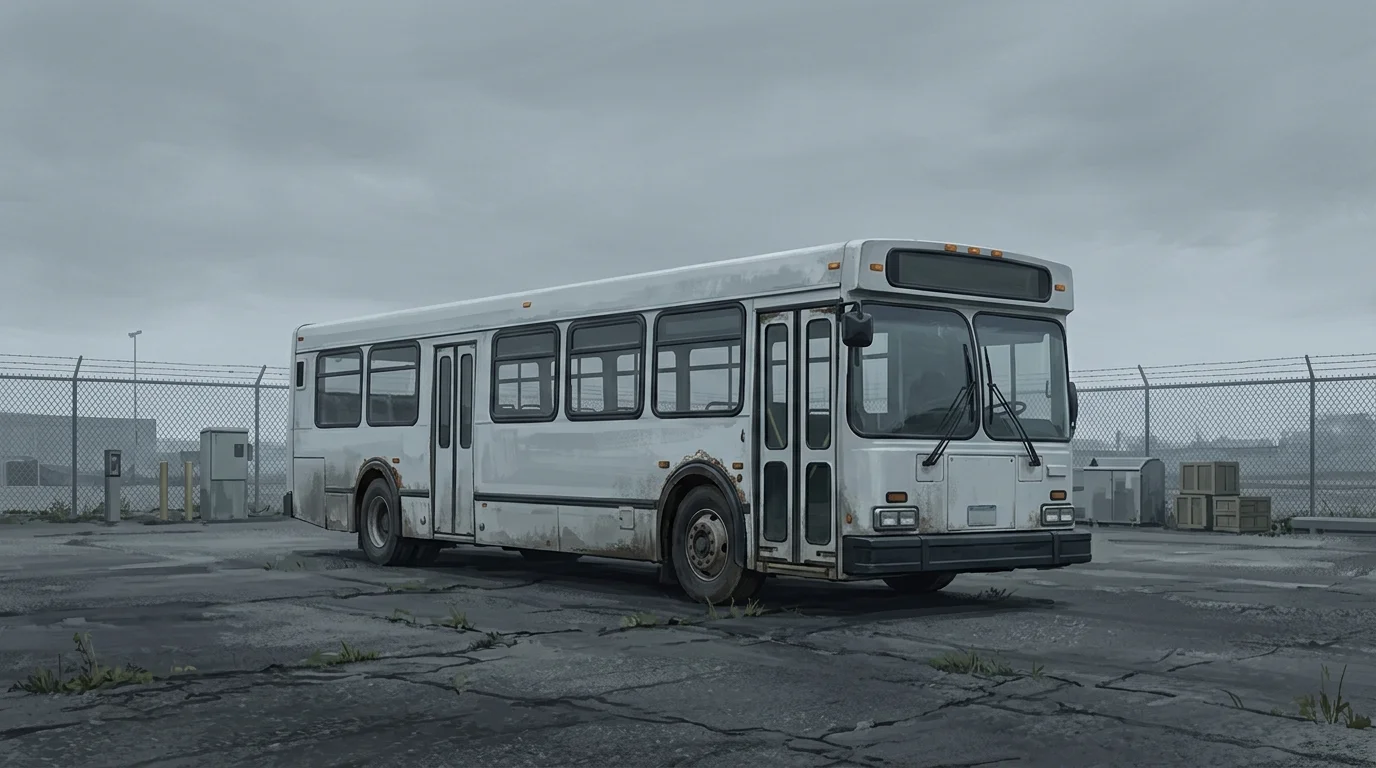
For many Mississippians in the Delta, reaching a dialysis center or doctor's office means a 30-mile trip with no car and no bus line — unless a local transit van shows up. A $4 million federal grant is now helping make sure those vans keep running.
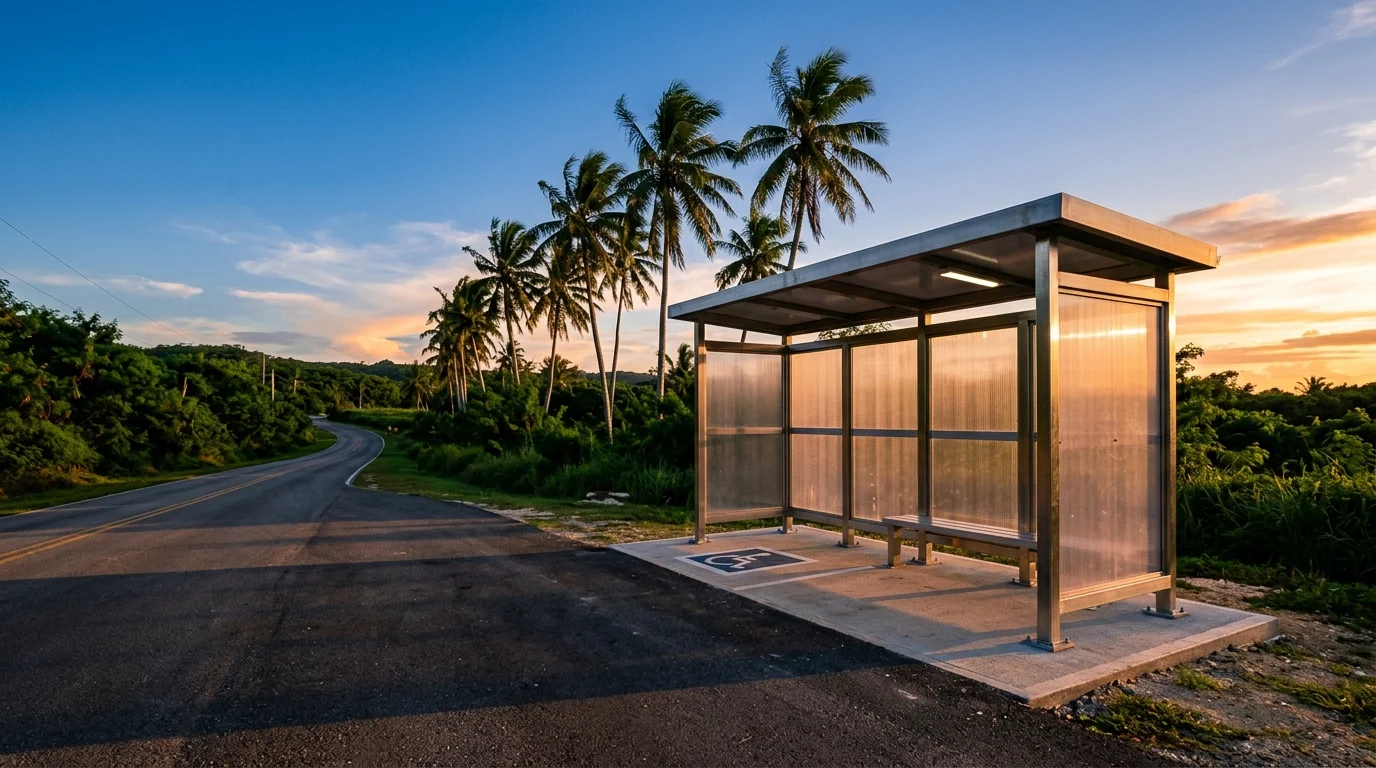
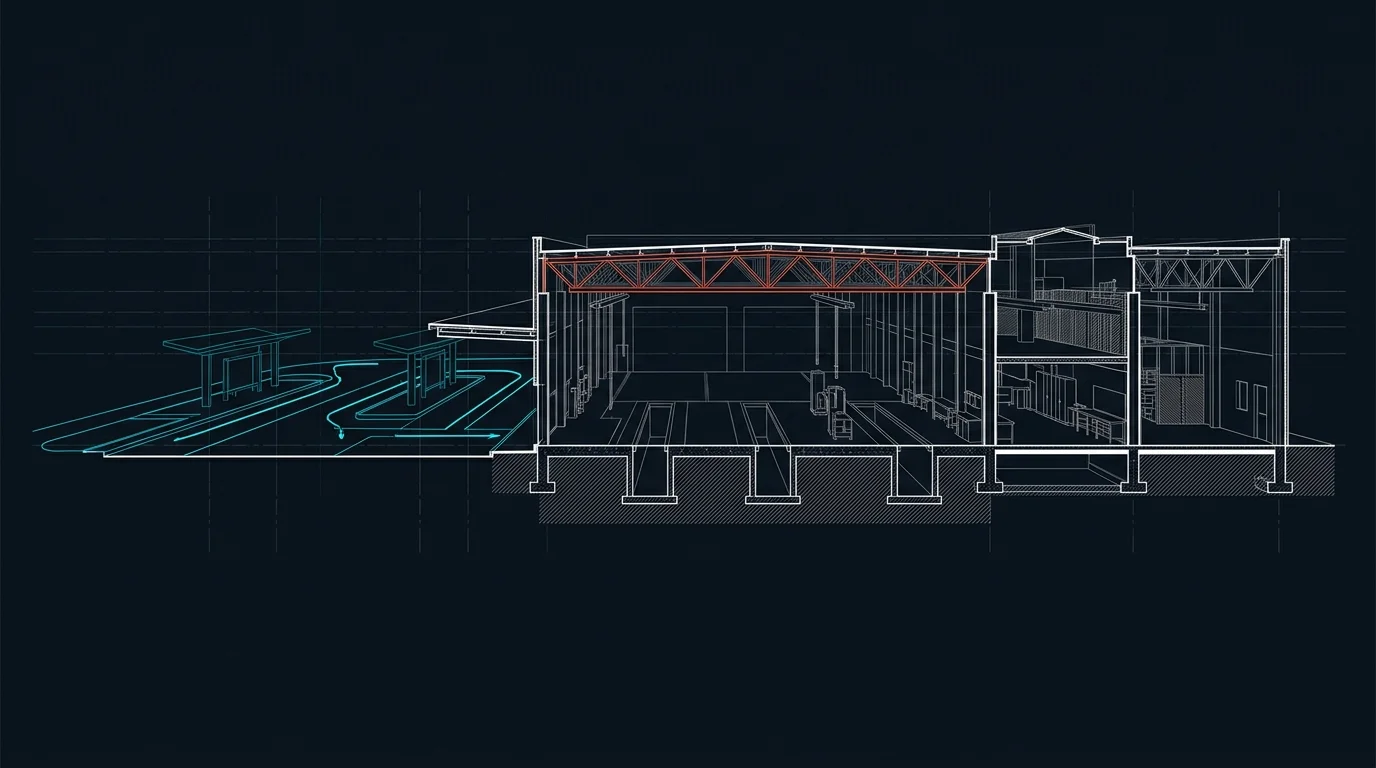
The funding, from the Federal Transit Administration's Section 5339 program, will put 43 new vehicles on rural roads across Mississippi and pay to construct a secure parking facility for Singing River Health System's transit fleet on the Gulf Coast. Thirty of the new vehicles are ADA-accessible vans, a reflection of who depends on this service most: elderly and disabled residents in a state where nearly one in five people is 60 or older and disability rates rank among the highest in the nation.
The money flows not to a single transit authority but to more than 22 separate organizations, a fragmented arrangement that reflects how rural transit actually works in Mississippi. The state never built a centralized rural transit system, so service is stitched together by county human resource agencies, community action nonprofits, municipal operators, a university-area bus system, and the Mississippi Band of Choctaw Indians, which runs transit for roughly 11,000 tribal members in Neshoba County. Subrecipients stretch from the Bolivar County Council on Aging and Aaron E. Henry Community Health in the impoverished Delta to Five County Community Transportation in the northeast corner of the state.
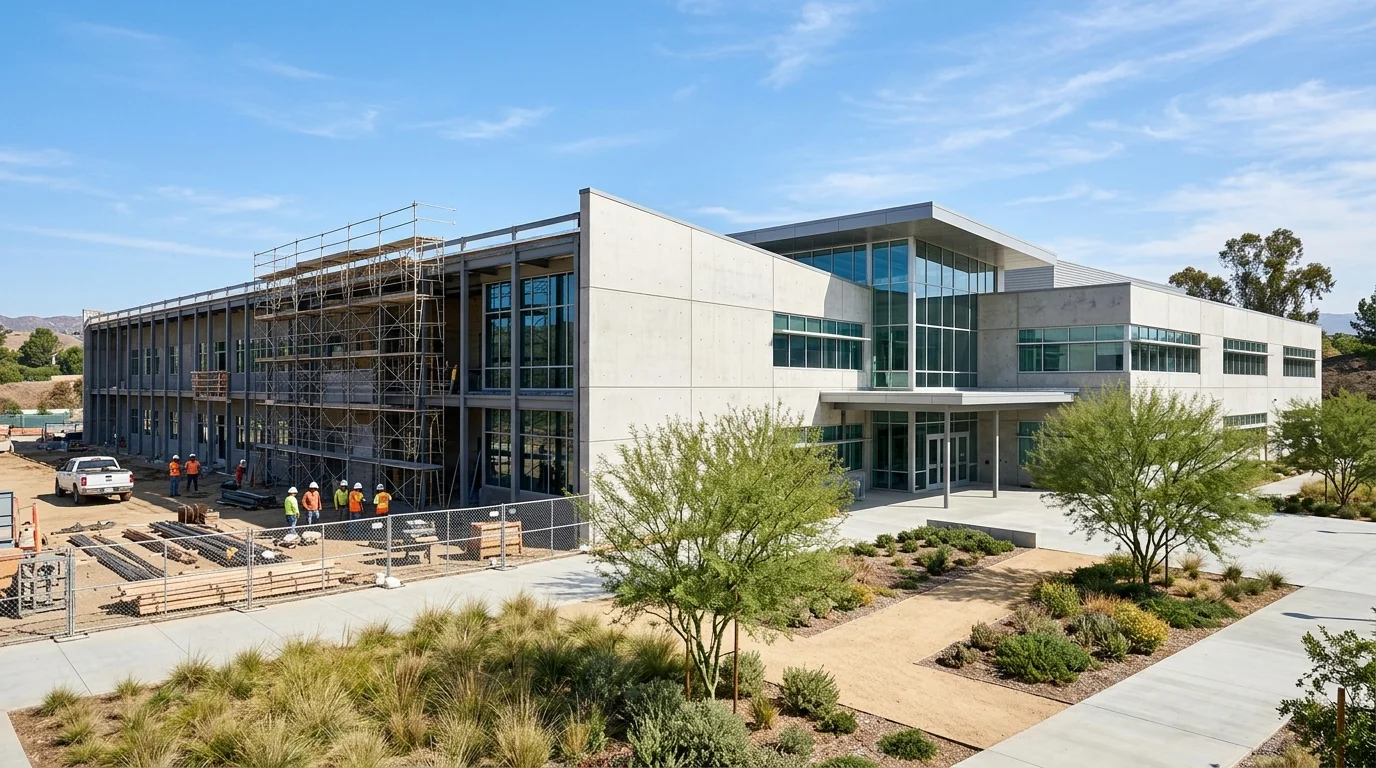
The Singing River component adds a direct healthcare dimension. The public health system serves Jackson, George, and Greene counties on the Gulf Coast, a region still rebuilding after a string of hurricanes including Katrina, Zeta, and Ida. Its transit buses get patients to appointments; the new secure parking facility protects that fleet and the drivers who operate it.
Mississippi is among the poorest and most rural states in the country, with a poverty rate near 19 percent and roughly half its population living outside urban areas. Federal grants like this one are the financial backbone of rural transit statewide: the state contributes relatively little from its own general fund, making Washington the primary underwriter of mobility for residents who have no other option. Similar federal investments have helped rural Maryland transit systems and rural Washington counties keep aging fleets on the road.
The grant was posted in late March 2026. Vehicle purchases and facility construction are expected to proceed through Mississippi's Department of Transportation Public Transit Division, which distributes funds to local operators across the state.