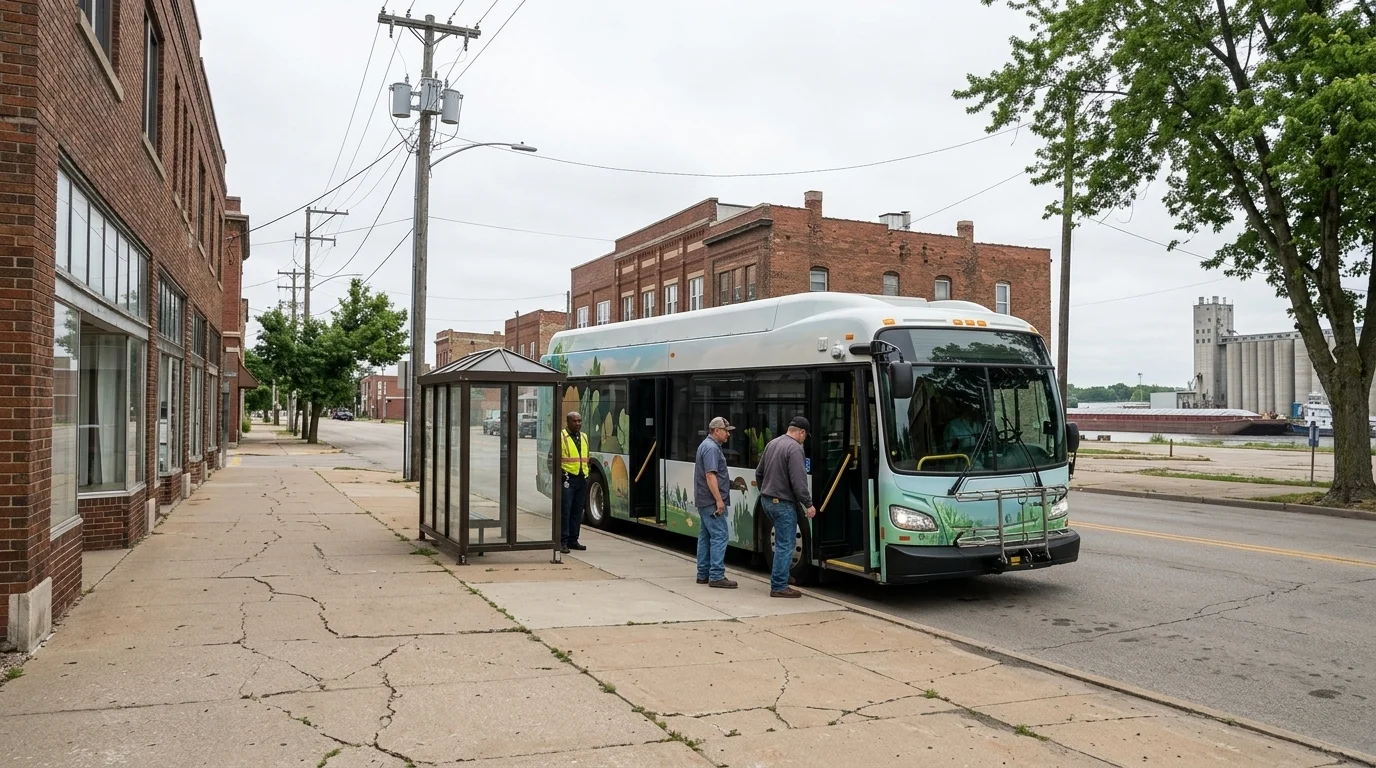
Chicago's suburban bus network is preparing for one of the largest electric vehicle purchases in its history, moving to replace up to a third of its fleet with battery-powered buses as a state deadline for zero-emission transit arrives.
Pace Suburban Bus, which carries riders across six counties surrounding Chicago, is seeking bids for a base order of 30 battery-electric buses with options to purchase up to 220 more — a potential total of 250 vehicles. The agency currently runs roughly 700 to 750 buses, the vast majority diesel or compressed natural gas, with only an estimated 30 to 50 electric vehicles in service today.
The timing is no coincidence. Illinois's Climate and Equitable Jobs Act, signed in 2021, prohibits transit agencies from purchasing anything but zero-emission buses after 2026 and requires fully electrified fleets by 2040. Pace's solicitation, posted June 1, lands right at that legal threshold.
The scale of the undertaking is significant. Two hundred fifty electric buses could cost anywhere from $250 million to more than $350 million depending on specifications, making this among the largest capital investments in Pace's history. Federal funding through the Bipartisan Infrastructure Law's Low or No Emission Vehicle Program, which now distributes more than $1 billion annually to transit agencies for electric bus purchases, is expected to help cover costs, but the full funding picture has not been disclosed.
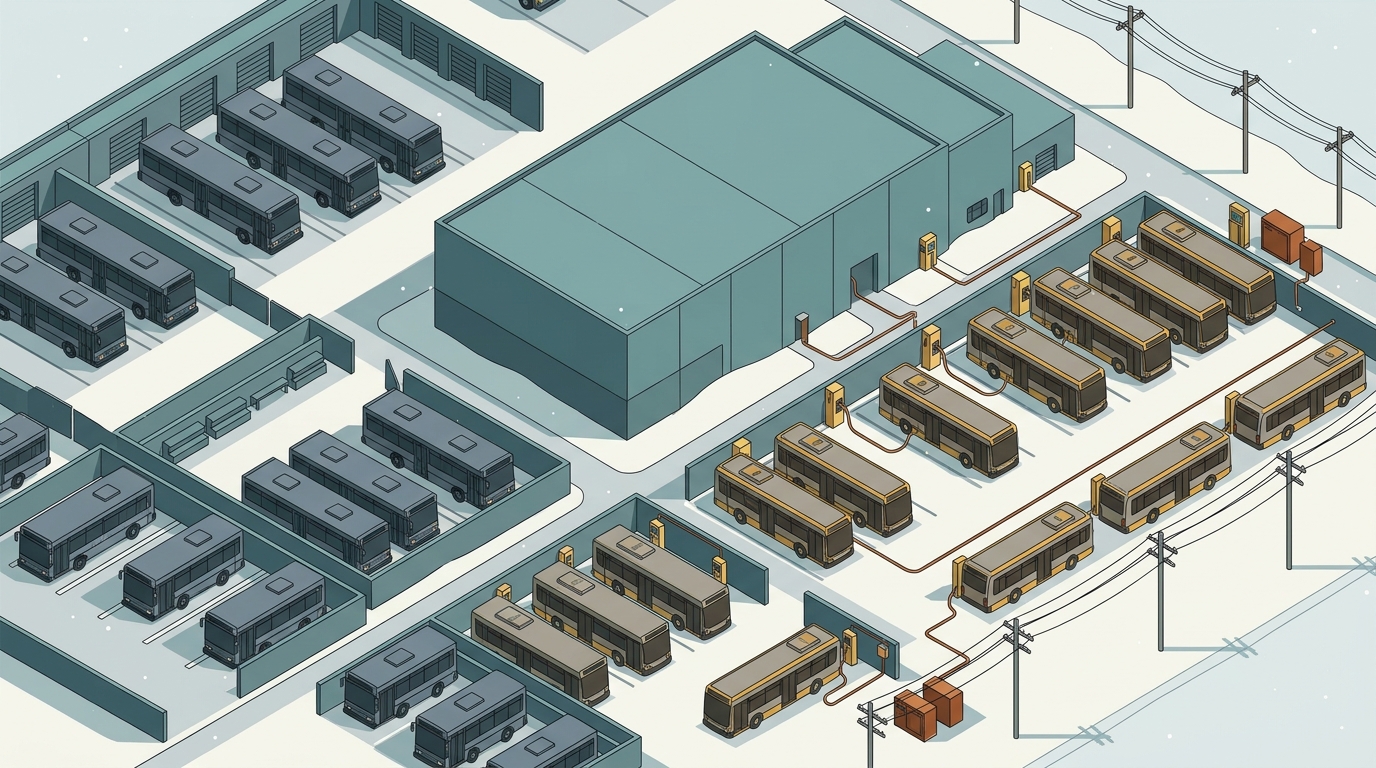
The purchase also comes with real operational challenges. Pace serves 3.5 million residents across 284 municipalities in Cook, DuPage, Kane, Lake, McHenry, and Will counties — a sprawling service area with some express routes exceeding 40 miles one-way. Cold Midwestern winters, which can regularly push temperatures below zero, are known to reduce battery range significantly. And Pace operates out of multiple dispersed garages, each of which would need charging infrastructure built out before electric buses can run.
The electric bus market itself has been turbulent. Proterra, a prominent manufacturer that Pace had worked with during early pilot programs, filed for bankruptcy in 2023, disrupting procurement pipelines at agencies across the country. The new solicitation's structure — a firm base order of 30 with six separate option tranches for the remaining 220 — appears designed to phase purchases over several years, giving Pace flexibility if manufacturers hit supply snags or if funding comes in unevenly.
Adding to the uncertainty, the Regional Transportation Authority, which oversees Pace alongside the CTA and Metra, has been at the center of an ongoing debate in Springfield over whether to consolidate the three agencies into a single regional body. That restructuring, still unresolved, could shift how capital decisions like this one are made in the future.
For now, Pace is moving forward. How many of those 220 optional buses it ultimately orders — and how quickly — will depend on how the first deliveries perform on cold suburban routes.