Wethersfield, Connecticut is pushing ahead with a major overhaul of three elementary schools, tackling aging buildings that have accumulated years of deferred maintenance while trying to keep local taxpayers shielded from cost overruns.
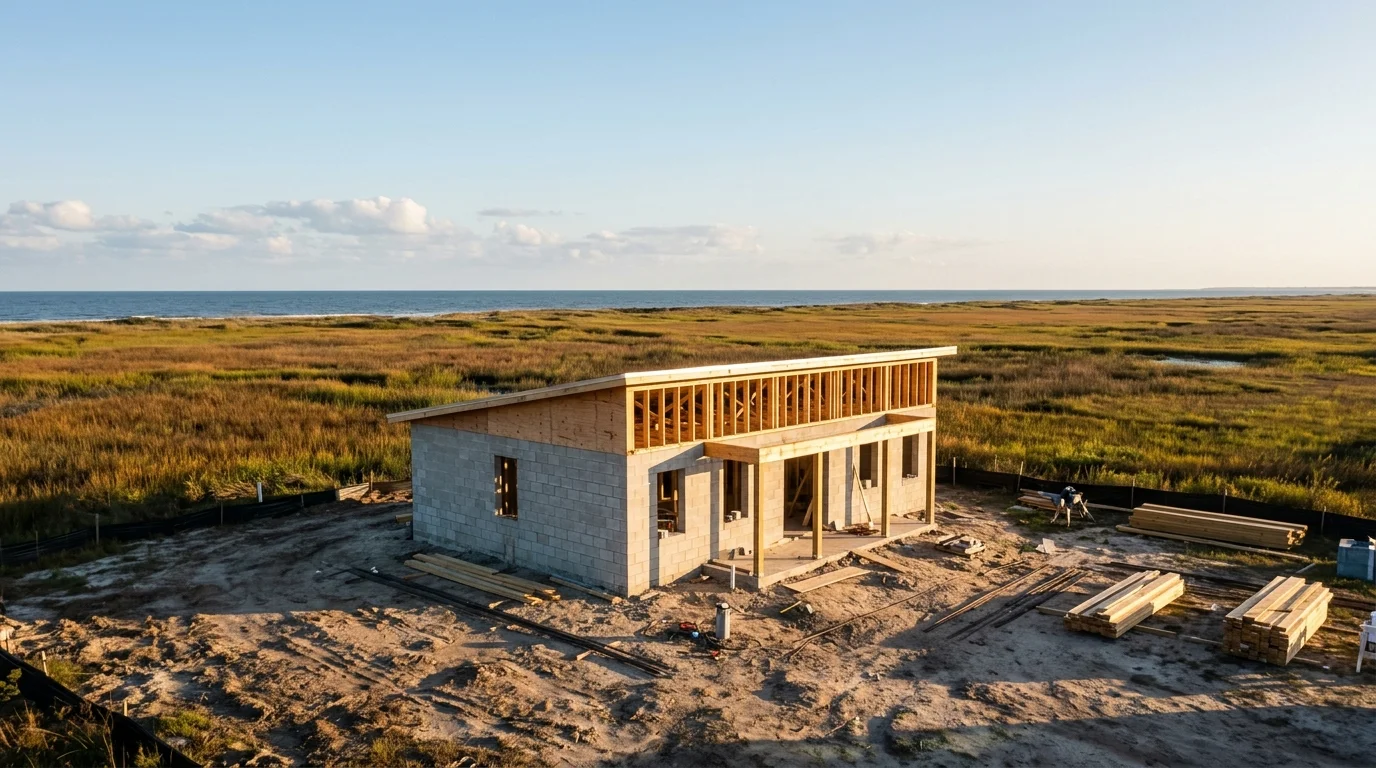
The work spans all three projects simultaneously: new or substantial construction at Highcrest Elementary, and renovations at Webb Elementary and Charles Wright Elementary. The distinction in scope matters. Highcrest appears to be getting a more extensive rebuild or addition, while Webb and Charles Wright are likely receiving systems upgrades: HVAC, roofing, windows, ADA compliance, and security improvements. All three schools date to the suburban building boom of the 1950s through 1970s, and inspections of Wethersfield's building stock have pointed to a deferred maintenance backlog running into the tens of millions of dollars.
To manage that financial exposure, the district is using a Construction Manager at Risk approach, which the town has been moving toward for some time. Under this model, the construction manager joins the project during the design phase, helps control costs before ground is broken, and then commits to a guaranteed maximum price. If costs exceed that ceiling, the contractor absorbs the difference, not Wethersfield taxpayers. That kind of certainty matters in a town where school spending goes through the Town Council and can require a voter referendum.
State funding is central to making the projects work. Connecticut reimburses municipalities for a significant share of eligible school construction costs, and Wethersfield's reimbursement rate has historically fallen in the 50 to 60 percent range. Bundling all three schools into a single contract is a strategy to maximize those returns and achieve economies of scale across a coordinated facilities plan.
The push also reflects a statewide moment. Since the pandemic exposed serious ventilation problems in older Connecticut school buildings, Governor Lamont's administration has directed federal relief funds toward HVAC upgrades, and many districts have used that opening to accelerate broader renovation plans that had been waiting for years.
For a town of about 27,000 residents with flat school enrollment and modest property tax base growth, getting the finances right is as important as getting the buildings right. The contractor selection process is now underway, and how the district manages costs from here will determine whether Wethersfield's bet on this delivery model pays off.