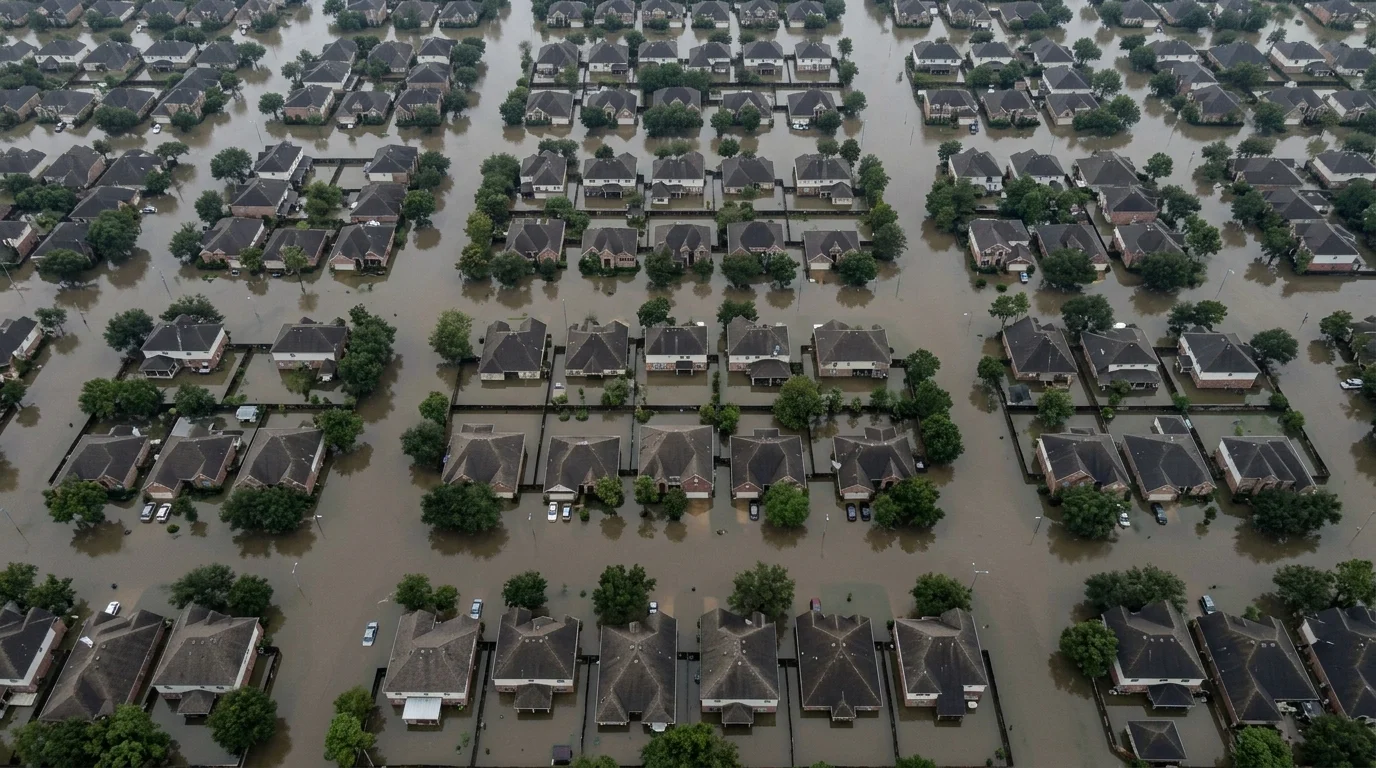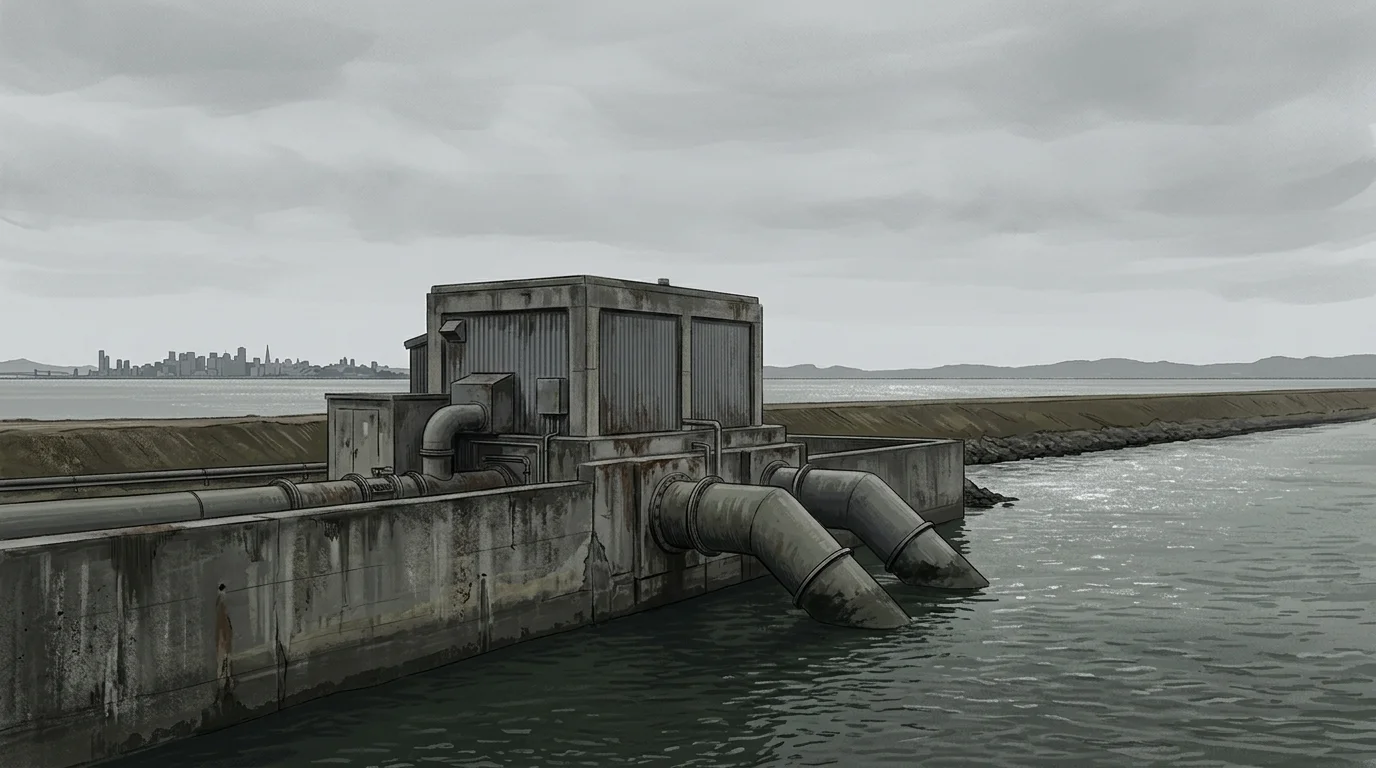
Foster City, California sits on reclaimed tidal marshland at the edge of San Francisco Bay, protected from flooding by a system of levees and, crucially, a single pump station. That station is now getting a $14 to $15 million overhaul to survive the earthquake that seismologists say is coming and to handle the rising Bay waters that climate projections say are inevitable.
The Lagoon Pump Station is the sole pump station for the Foster City Lagoon, the city's primary flood control system. There is no backup. If the pump fails during or after a major earthquake, the city of roughly 34,000 people has no mechanical fallback to remove water. That vulnerability is especially acute because Foster City was built on fill material placed over former tidal marshes in the 1960s, making its soil highly susceptible to liquefaction, a phenomenon where saturated ground behaves like liquid during seismic shaking.
The threat is not theoretical. The Hayward Fault, which runs along the eastern Bay, is considered overdue for a magnitude 6.7 or larger earthquake. USGS estimates roughly a one-in-three chance of such a quake by 2043. A rupture of that scale would test every piece of infrastructure in the region, and in Foster City, the pump station would be among the first things that needed to work.
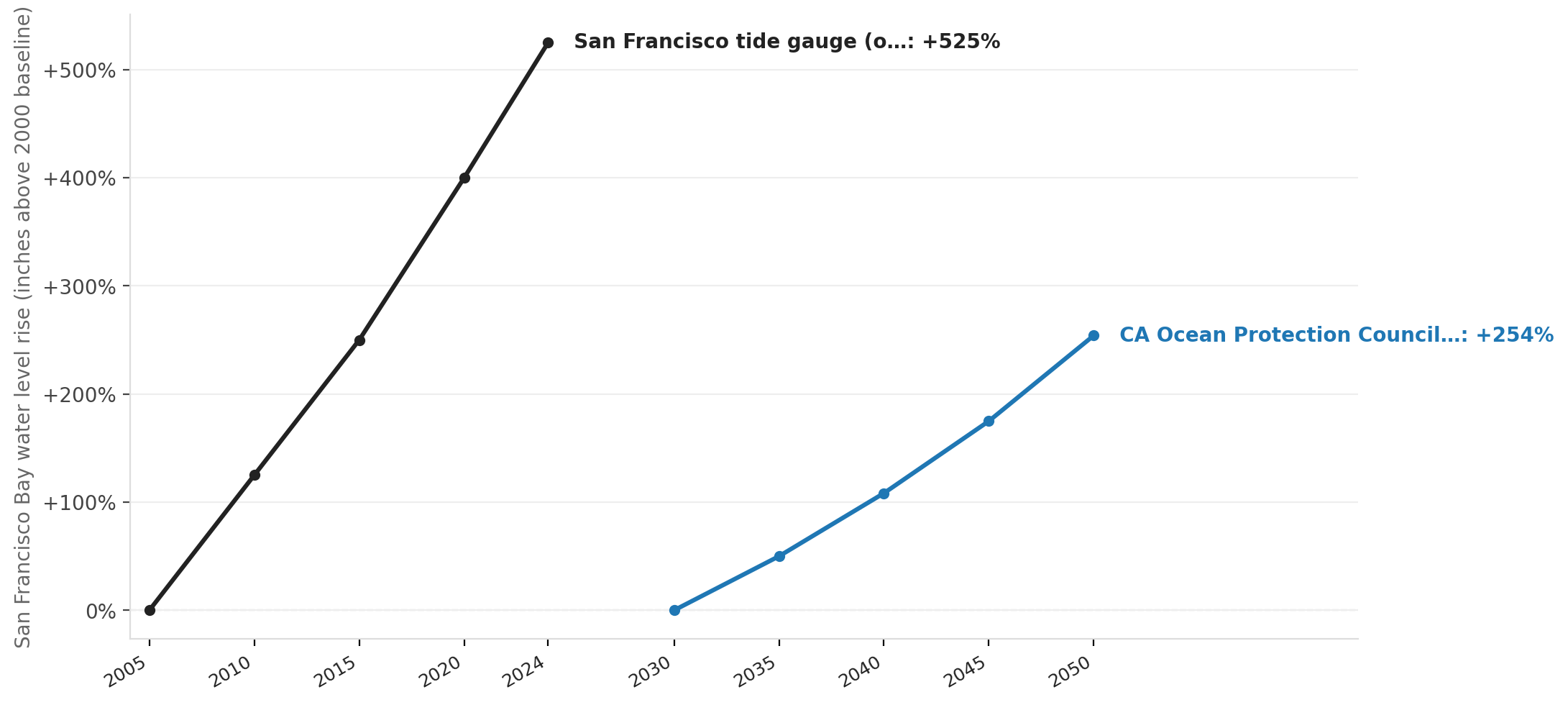
Source: NationGraph.
The rehabilitation project goes beyond earthquake-proofing. The capacity enhancement component signals that engineers are also sizing the station for higher water volumes, a response to sea level rise projections that put Bay water levels 1 to 3 feet higher by mid-century, and the compounding scenario of a major storm or seismic event happening when the Bay is already elevated.
The project is the next chapter in a longer infrastructure story. In 2015, FEMA remapped Foster City into a high-risk flood zone, jolting residents into awareness of the city's precarious geography. Three years later, voters approved Measure P, a parcel tax that funded roughly $90 million in levee improvements. With those levees now reinforced, the pump station behind them becomes the next critical link.
Construction is estimated to take 300 calendar days once work begins. The city has posted the contractor pre-qualification request and is reviewing submissions before inviting qualified contractors to bid. The project carries Capital Improvement Program number 301-717, placing it within Foster City's long-term infrastructure budget.
How quickly construction begins will depend on how fast the city moves through contractor selection and final design. What is clear is that the window for upgrading this infrastructure, before the next major seismic event, is not guaranteed to stay open.