Alaska Native communities, where extreme isolation and scarce law enforcement have long made residents vulnerable to traffickers, will continue receiving direct services and support under a renewed $333,333 federal grant from the Department of Health and Human Services.
The funding comes through HHS's Victims of Human Trafficking in Native Communities demonstration program, which was created specifically because Native Americans experience trafficking at rates far exceeding national averages while being dramatically underserved by mainstream anti-trafficking programs. The cooperative agreement renews an existing grant rather than launching new services, meaning the money sustains capacity that was already built rather than expanding it.
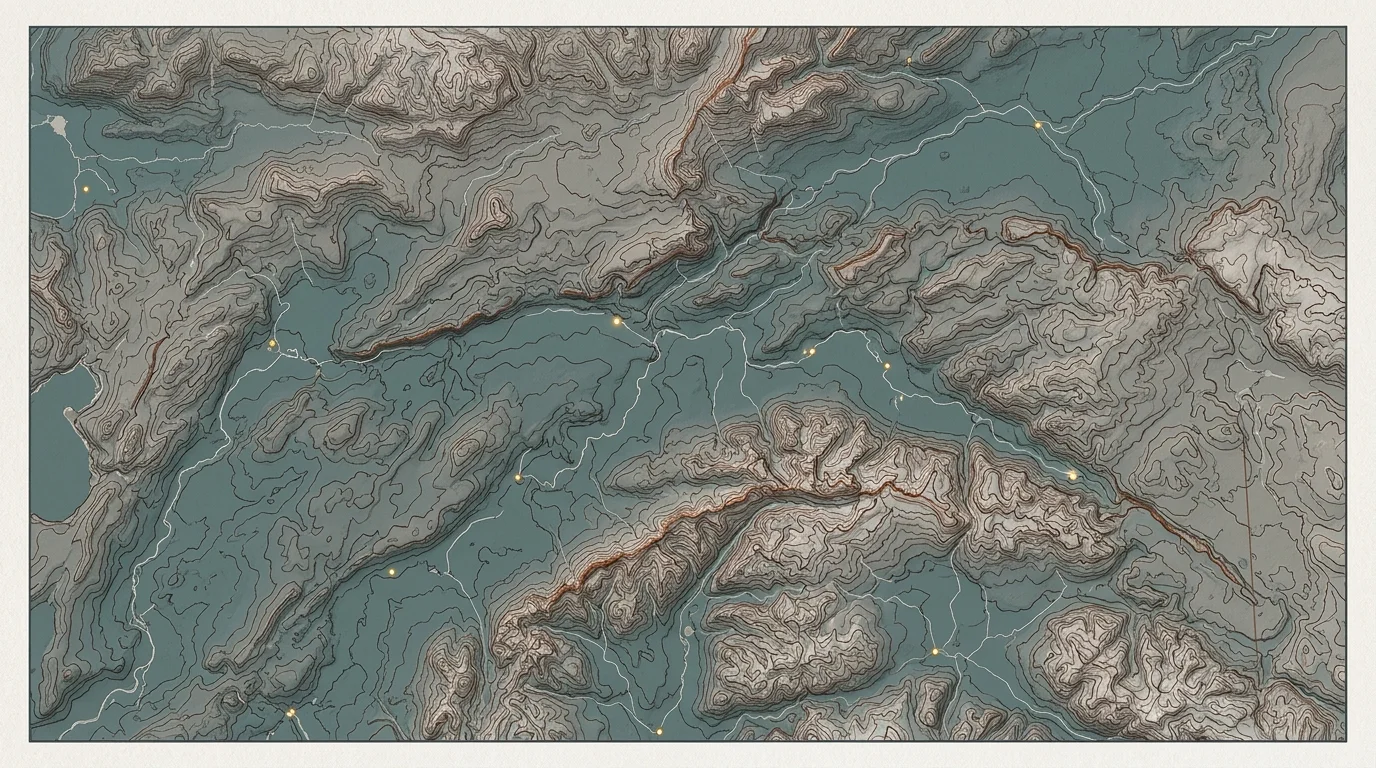
The challenge the grant is trying to address is severe. Alaska Natives make up roughly 15% of the state's population and live spread across more than 200 remote villages, many reachable only by small plane or boat. An estimated 75 or more of those villages have no local police presence at all. State troopers can be hours away. Tribal governments have limited criminal jurisdiction. That combination of geographic isolation, jurisdictional gaps, poverty, and the legacy of historical trauma creates conditions that traffickers exploit. Alaska's rate of sexual assault runs about 2.5 times the national average.

Source: NationGraph.
The crisis overlaps directly with the Missing and Murdered Indigenous Persons movement, which gained national attention in the late 2010s and drew federal action under both the Trump and Biden administrations. Investigative reporting by the Anchorage Daily News, including its Pulitzer-winning "Lawless" series in 2019, documented how the absence of basic law enforcement in Alaska villages left residents with few protections. Anchorage, where many Alaska Natives migrate seeking services or work, has documented sex and labor trafficking networks as well.
Services funded under the program are designed to be culturally grounded and trauma-informed, reflecting Alaska Native organizations' longstanding argument that Western service models often fail to reach or resonate with their communities. The specific organization receiving this grant is not identified in the public record.
The HHS program has operated since roughly 2015 and has faced questions about whether grants at this scale can meaningfully address trafficking in communities with such deep structural disadvantages. With Alaska's state budget subject to volatility from oil revenue swings, federal grants like this one fill gaps that state funding often cannot. Whether this round of funding will eventually lead to broader, more permanent investment remains an open question.