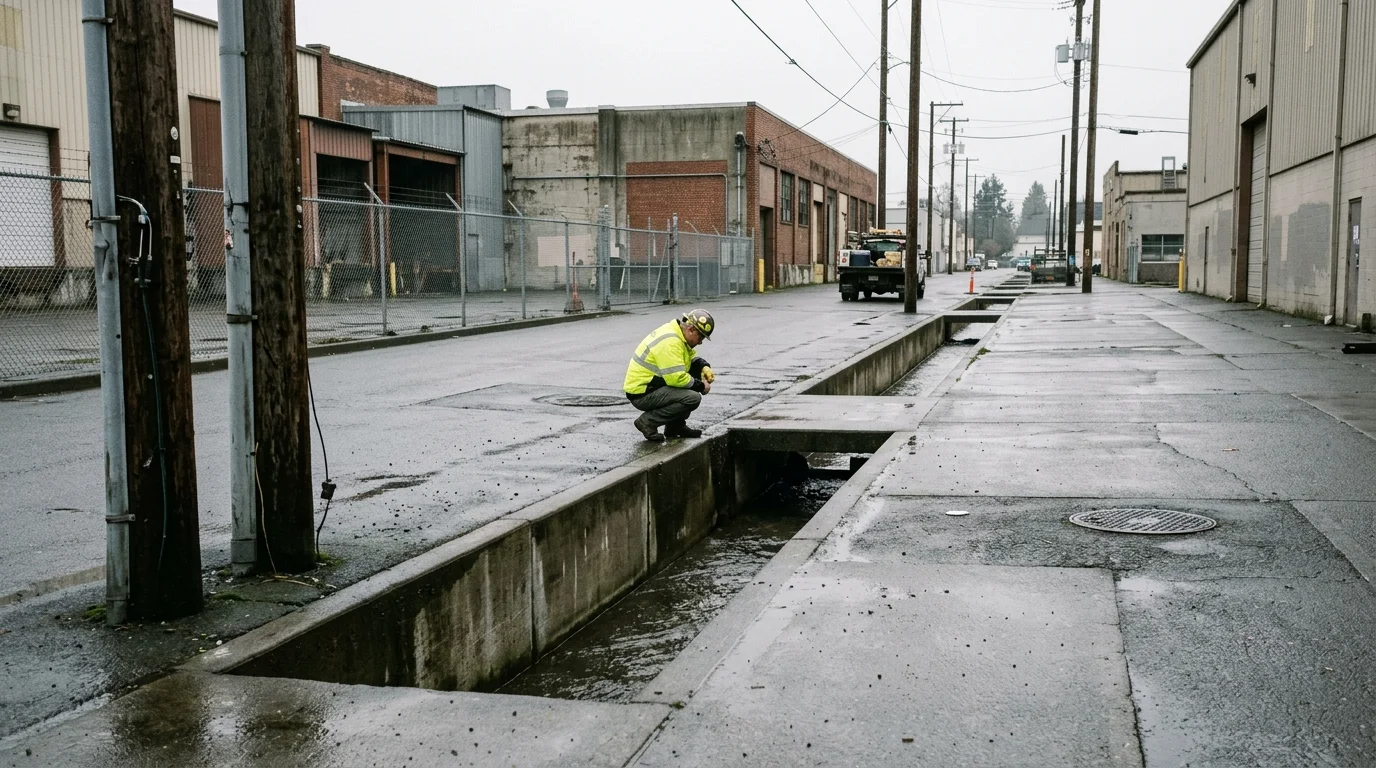
Montverde, Florida is moving to disconnect homes from aging septic systems and tie them into municipal sewer service, a project aimed at cutting off a persistent source of nutrient pollution draining into Lake Apopka, one of the state's most ecologically damaged lakes.
The town of roughly 2,500 people sits on the western shore of Lake Apopka in Lake County, a geographic fact that gives this project stakes well beyond its small size. The lake was once Florida's premier bass fishery before agricultural runoff and nutrient pollution collapsed its ecosystem starting in the mid-20th century. The state has spent hundreds of millions of dollars on restoration since the 1980s, but nitrogen and phosphorus seeping from aging septic drain fields in surrounding communities have continued to undermine that work.
Florida has approximately 2.6 million septic systems, more than any other state, many of them installed 30 to 50 years ago in communities that developed before regional sewer infrastructure reached them. In low-lying, high-water-table areas like central Florida, old septic systems don't just fail quietly. They can contaminate drinking water wells, cause sewage to surface in yards, and feed the harmful algal blooms that have drawn national attention in recent years.
The state began addressing this more aggressively after the 2020 Clean Waterways Act required Florida's Department of Environmental Protection to identify communities where septic systems pose the greatest threat to water quality, particularly near impaired water bodies. Governor DeSantis has directed hundreds of millions in state funding toward wastewater upgrades since then, and federal money from the 2021 Bipartisan Infrastructure Law has added to the pool of available grants for small municipalities that could not finance projects like this on their own.
For Montverde, which has a limited tax base and has historically relied entirely on individual septic tanks, outside funding is almost certainly what makes this project possible. Whether the town secured a state DEP grant, federal EPA revolving fund dollars, or USDA Rural Development financing has not been publicly detailed, and the full project cost has not been disclosed.
The town is now seeking a contractor to carry out the conversions. This is part of broader efforts the town has been undertaking to protect the lakes at its core, as previously reported.
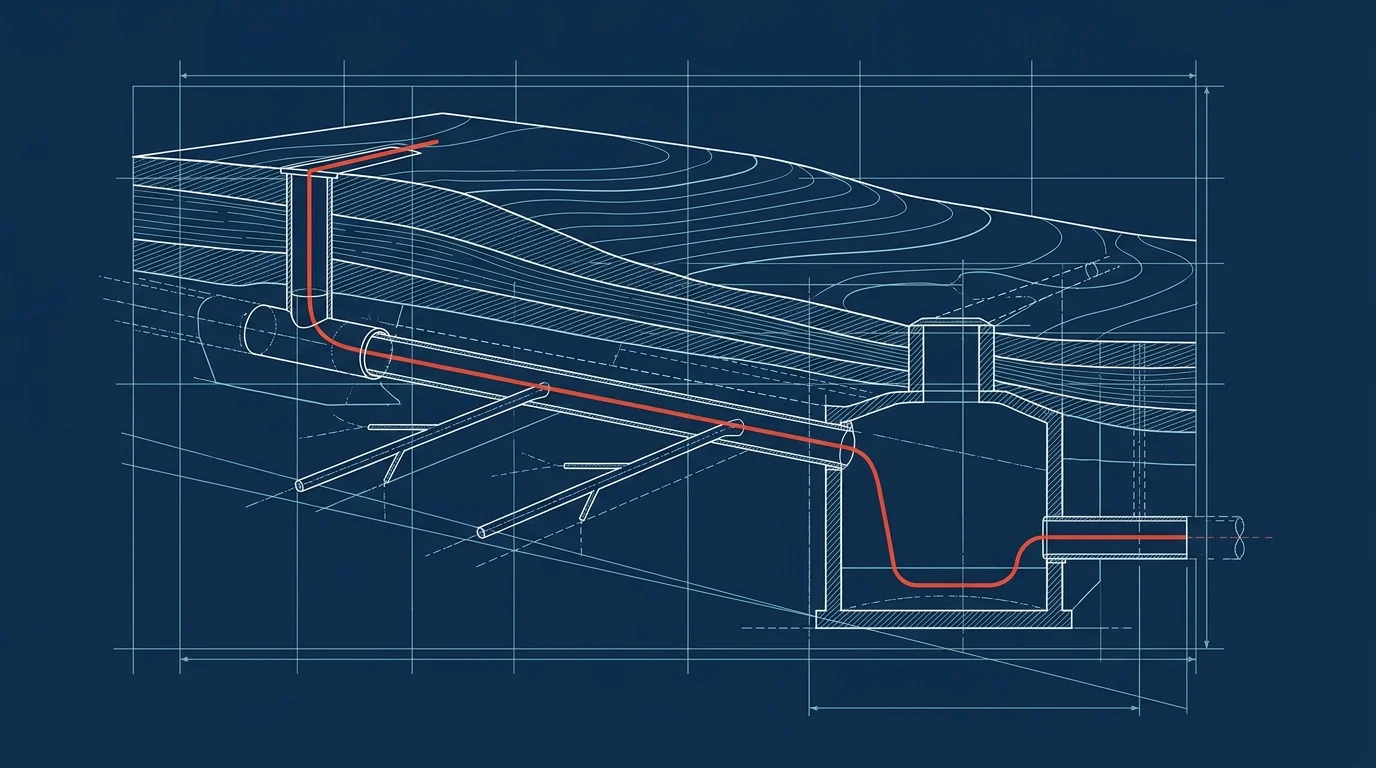
Once a contractor is selected and work begins, affected homeowners will be connected to the municipal system, eliminating their individual drain fields. How costs will be shared between the town and property owners remains an open question, as connection fees, which can run $15,000 or more per household, are often a significant burden for residents in small communities.