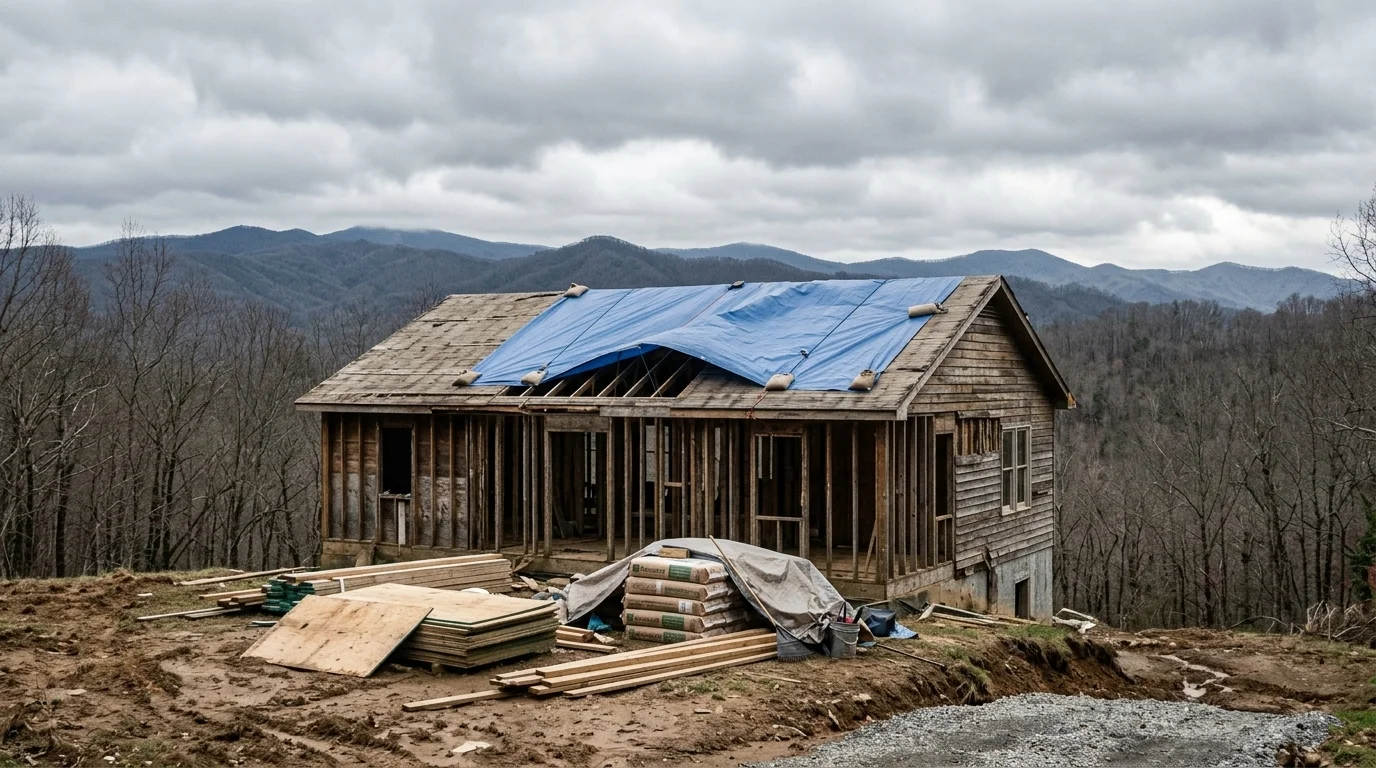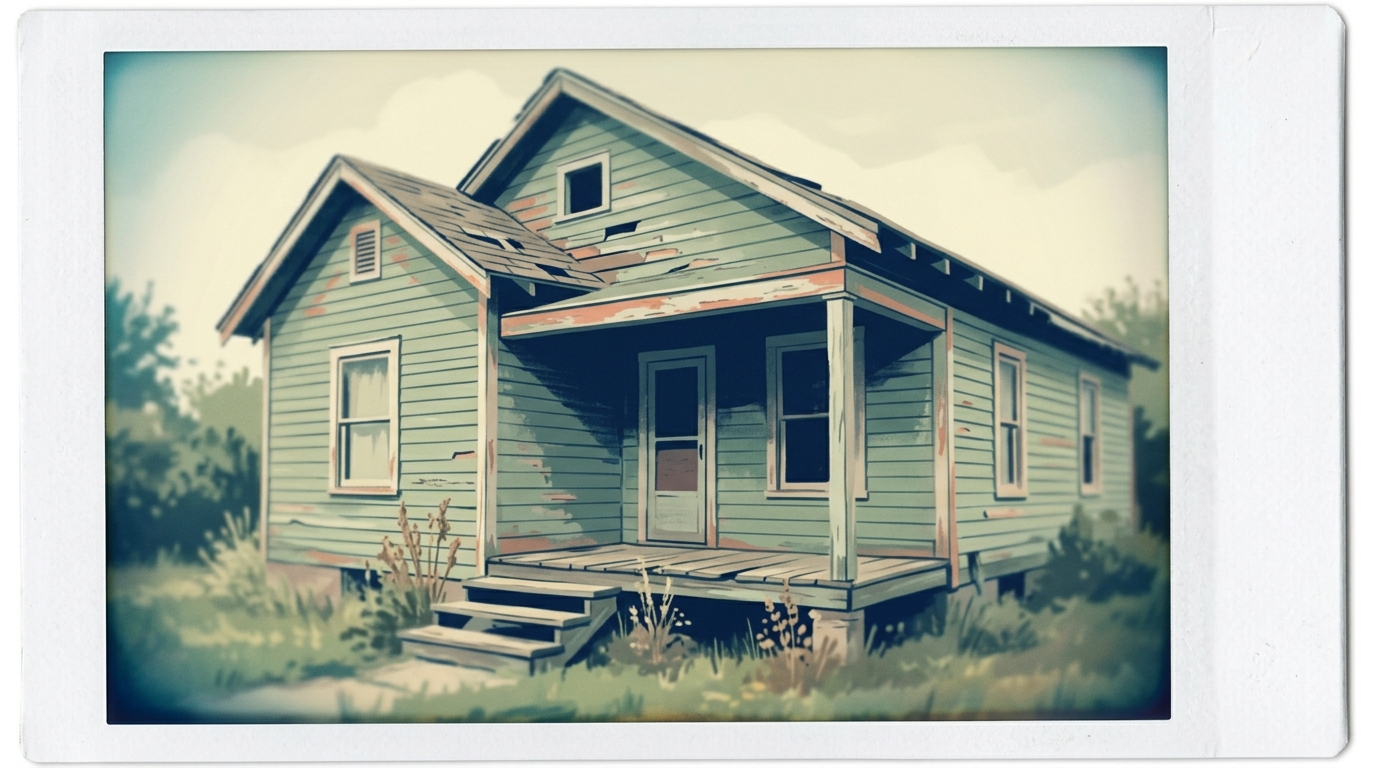
Kinston, North Carolina is moving to repair deteriorating homes for its lowest-income residents after the city secured funding through a state housing rehabilitation program, a critical lifeline in a community where roughly 30% of residents live in poverty and much of the housing stock is over 55 years old.
The funding comes from the North Carolina Housing Finance Agency's Essential Single-Family Rehabilitation Loan Pool, a program that provides zero-interest, deferred loans to homeowners at or below 80% of area median income for essential repairs: roofing, HVAC, plumbing, electrical systems, structural work, and accessibility modifications. The loans are forgiven over time as long as the homeowner remains in the residence.
For Kinston, a city of about 20,000 in Lenoir County, the need is severe and longstanding. The collapse of tobacco and textile manufacturing in the late 20th century gutted the local economy, leaving many homeowners, disproportionately elderly, Black, and low-income, unable to afford basic upkeep. Then came the storms: Hurricane Floyd in 1999 flooded entire neighborhoods along the Neuse River, forcing mass buyouts and demolition. Hurricanes Matthew in 2016 and Florence in 2018 hit homes that had never fully recovered. About 67% of Kinston's population is Black, and median household income sits around $30,000 to $33,000, well below state and national averages.
The state program is administered locally by Kinston's Community Development department, which has run similar rehabilitation efforts through prior ESFRLP cycles and federal Community Development Block Grant funding. The city is now hiring contractors to carry out the actual repair work.
The scale of need in eastern North Carolina remains enormous. The NC Housing Coalition has documented hundreds of thousands of substandard housing units statewide, with rural eastern counties among the hardest hit. The NC Housing Trust Fund, the primary source behind ESFRLP, has historically been underfunded relative to demand, though state appropriations have grown in recent years under Governors Cooper and Stein.
How many homes this round of funding will reach and the total dollar amount awarded have not been disclosed in publicly available documents. The city is expected to identify eligible homeowners and begin rehabilitation work on a rolling basis as contractors are selected.