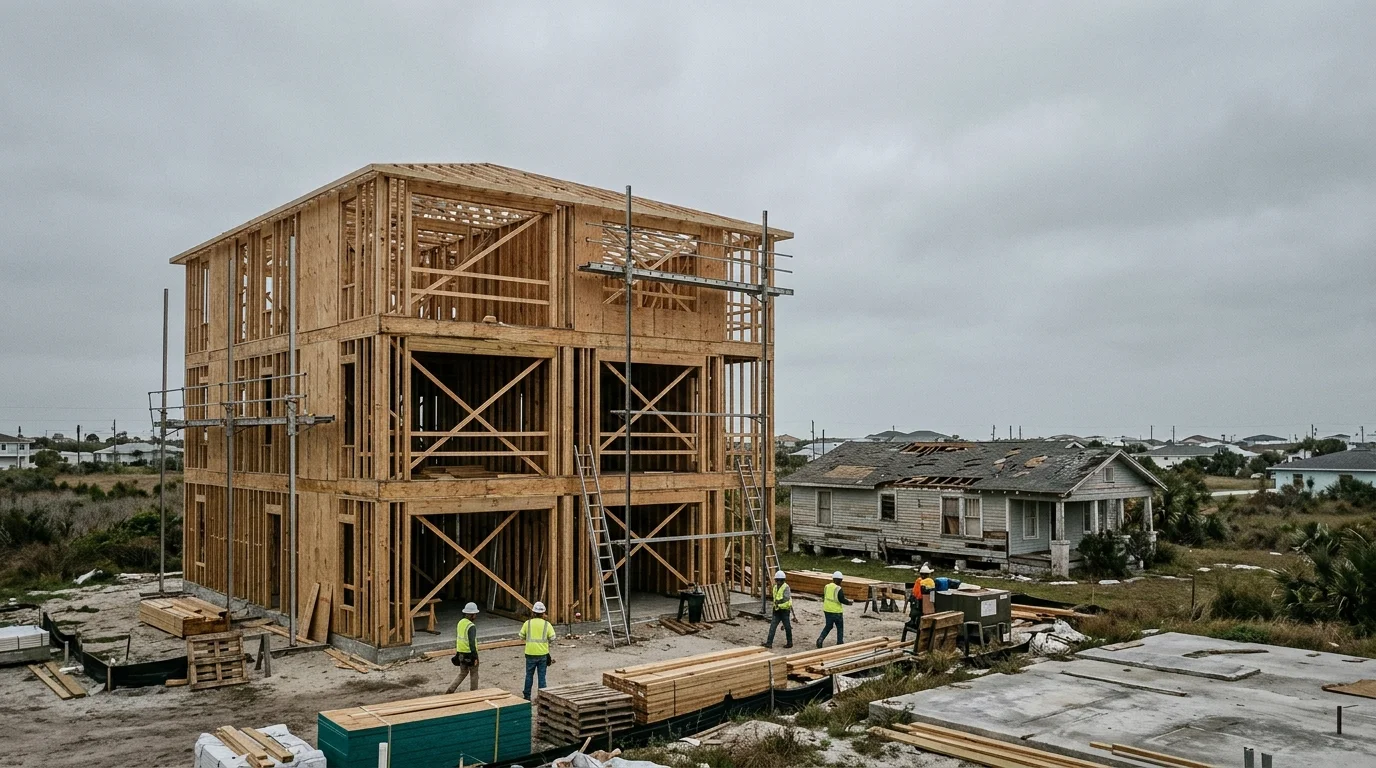
Springfield, Massachusetts is moving to make Margaret C. Ells Elementary School more accessible for students and staff with disabilities, hiring a contractor through the city's capital budget to bring the aging building closer to modern standards.
The work is a small but pointed reminder of a larger problem. Springfield's roughly 60 school buildings are among the oldest in Massachusetts, many constructed in the early to mid-20th century, long before the Americans with Disabilities Act became law in 1990. More than 35 years after the ADA passed, districts across the country are still catching up, and urban school systems like Springfield's, which serve high proportions of students with disabilities and face severe budget constraints, carry a disproportionate share of that backlog.
Springfield Public Schools enrolls about 25,000 students, more than 80 percent of whom are economically disadvantaged. The district has a large special education population, and federal law under the Individuals with Disabilities Education Act requires that students with physical disabilities be educated in neighborhood schools that may never have been designed to accommodate them.
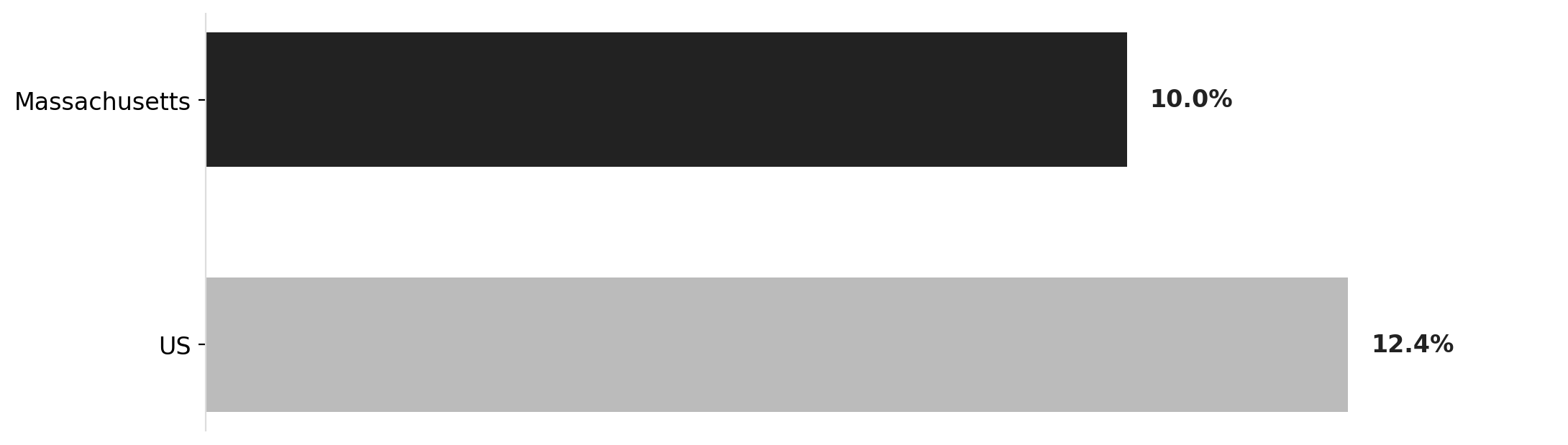
Source: U.S. Census Bureau, American Community Survey.
The city posted the bid for Margaret C. Ells Elementary accessibility improvements on May 21, 2026. Details are sparse: the listing provides only a project title and bid number, leaving the scope, cost, and timeline unclear. Accessibility retrofits can range from installing ramps and elevators to widening doorways, modifying bathrooms, or upgrading playgrounds.
What is clear is that this project is being funded through Springfield's own capital budget rather than through the Massachusetts School Building Authority, the state agency that has bankrolled major school renovations across the state since 2004. That distinction matters in a city where the median household income runs roughly half the state average and the poverty rate hovers around 27 percent. Every capital dollar Springfield spends on one school is a dollar unavailable for the dozens of others that may face similar gaps.
How many Springfield school buildings still fall short of full ADA compliance, and what the total price tag would be to fix them, remains an open question. The city has not publicly released a comprehensive accessibility assessment of its school portfolio. Until it does, projects like the one at Margaret C. Ells will address the problem one building at a time.