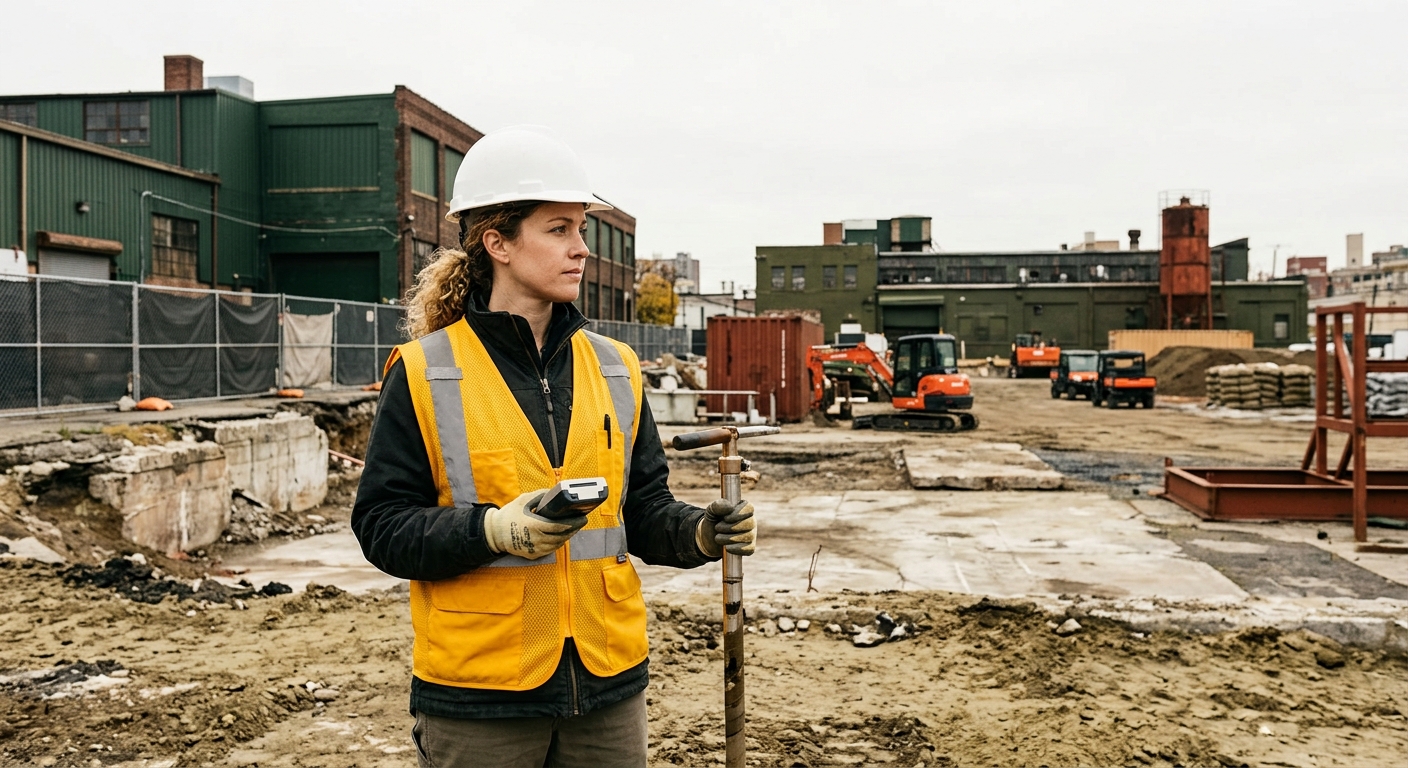
College Station, Texas is moving to upgrade the filtration systems at one of its two main wastewater treatment plants, a project driven by the dual pressures of rapid population growth and increasingly strict environmental regulations on what treated water can contain before it enters local waterways.
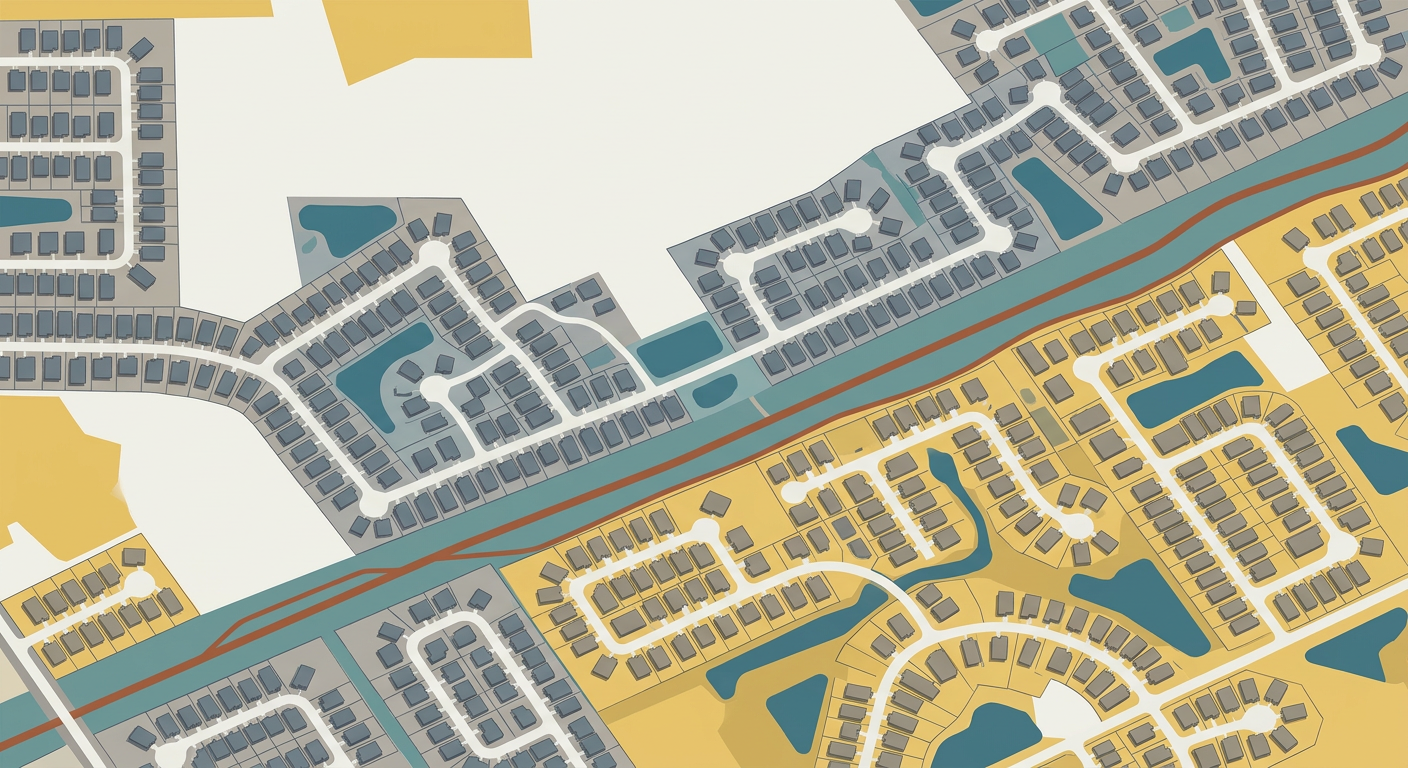
The Carters Creek Wastewater Treatment Plant handles sewage from the eastern and southern portions of the city, which has grown to roughly 120,000 permanent residents. But that number doesn't capture the full picture: Texas A&M University, with more than 70,000 students, sends the city's effective population surging every fall. The Bryan-College Station metro area grew about 25 percent between 2010 and 2020, one of the faster rates in Texas, and that growth shows no sign of slowing.
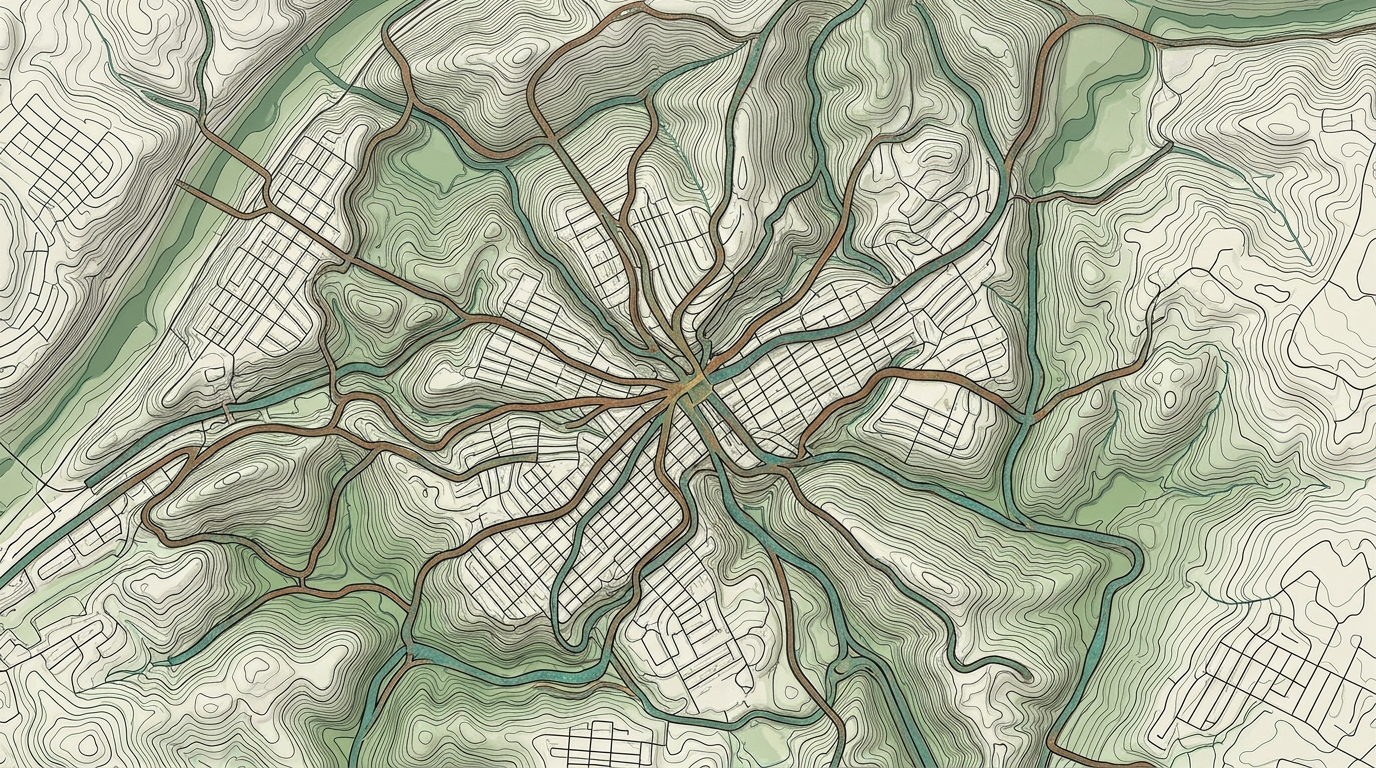
All those additional residents mean more wastewater, and more scrutiny. The Texas Commission on Environmental Quality has been tightening discharge permit limits for nutrients like phosphorus and nitrogen in treated effluent. Carters Creek flows into the Navasota River and eventually the Brazos, the longest river entirely within Texas, making water quality at the plant's outflow a matter of broader environmental concern. Filter upgrades are often the critical step plants need to meet lower turbidity and nutrient limits as permits come up for renewal.
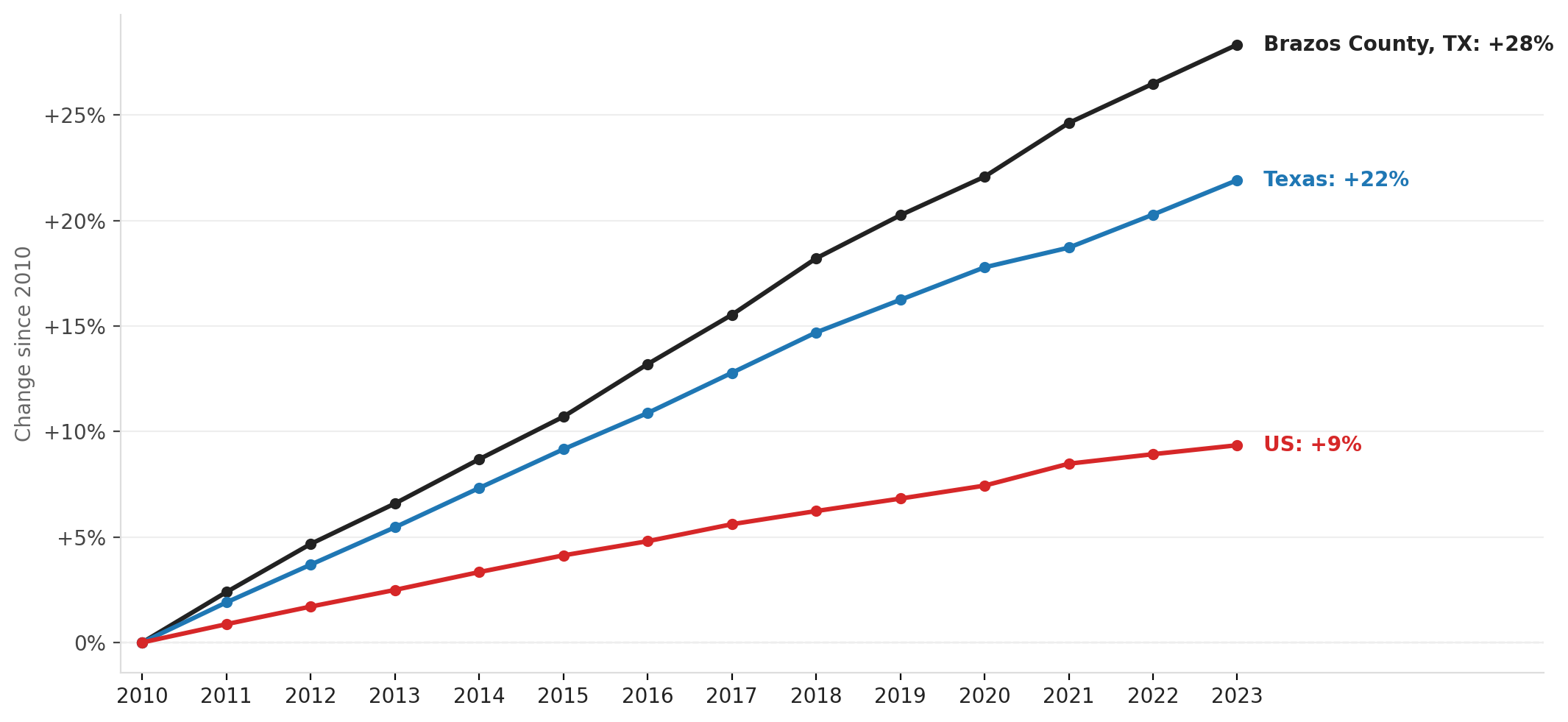
Source: U.S. Census Bureau, American Community Survey.
The city is seeking proposals from qualified contractors for the filter improvements, a process that evaluates technical approach rather than simply taking the lowest bid, reflecting the complexity of the work. The specific cost of the project has not been publicly disclosed.
The upgrades are part of College Station's ongoing capital improvement strategy for its utility systems, which the city has flagged as a priority as development pressure mounts. Filtration technology has evolved considerably in recent decades, and systems that met standards 15 to 20 years ago may no longer satisfy current requirements.
For residents and students who pay utility rates, the project is a reminder that fast growth carries infrastructure costs that aren't always visible. Contractor selection is underway, and how quickly work gets started will depend on the proposals the city receives.