Abandoned groundwater wells scattered across Los Angeles County's vast network of wastewater plants and former landfill sites are getting sealed shut, part of an effort to keep contaminants from leaking into the underground water basins that supply drinking water to millions.
The Sanitation Districts of Los Angeles County, one of the largest wastewater and solid waste agencies in the nation, is seeking a contractor to plug old wells and clear the surrounding sites across its service territory. The agency operates 11 wastewater treatment plants and manages multiple active and closed landfills, all of which can have monitoring or production wells that eventually need to be properly decommissioned.
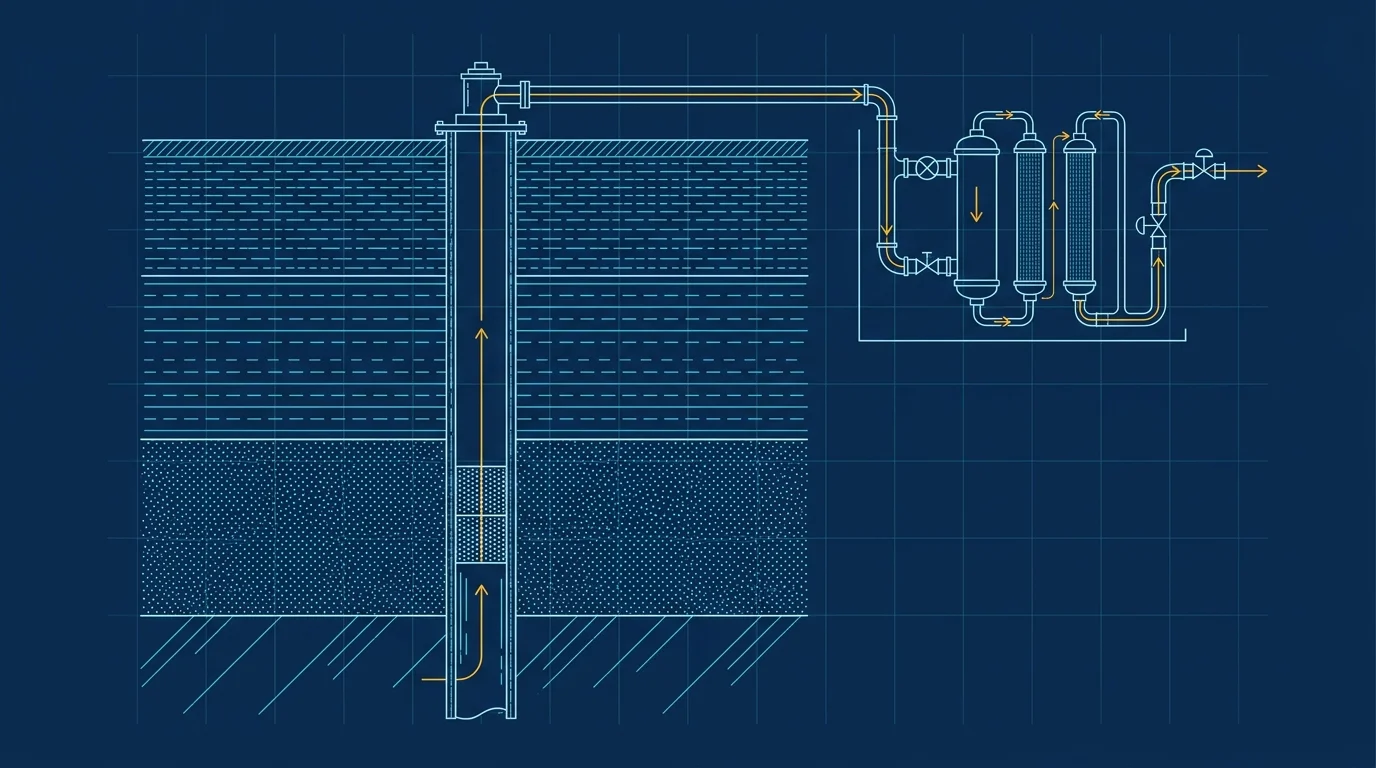
The stakes are straightforward. When a well is left open or improperly sealed, it becomes a direct channel for surface pollution, including pesticides, industrial chemicals, and stormwater runoff, to travel deep into aquifers. In a region where groundwater provides roughly 30 to 40 percent of the local water supply, every unsealed well is a vulnerability.
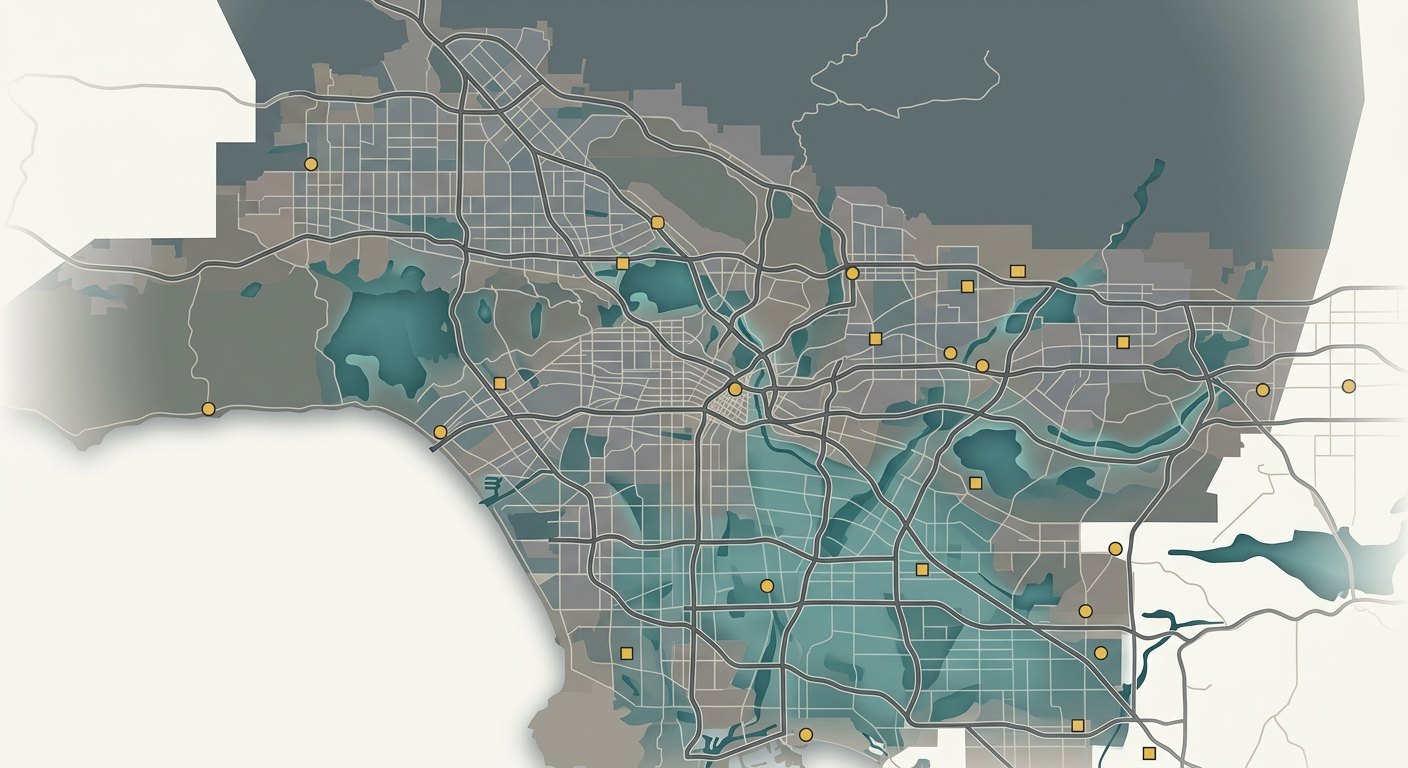
Los Angeles County sits atop several critical basins, including the Central Basin, West Coast Basin, and San Gabriel Basin, that already bear scars from the region's long industrial history. The San Gabriel Valley Superfund sites, among the largest in the country, have required decades of remediation for solvent contamination. More recently, detections of PFAS, so-called "forever chemicals," in Southern California groundwater have only intensified public concern about aquifer integrity.
California law has required proper well destruction since 1949, but enforcement has tightened considerably in recent years. The state's Sustainable Groundwater Management Act, passed in 2014 after punishing drought cycles, requires overdrafted basins to reach balance by the early 2040s. Governor Gavin Newsom's 2022 Water Supply Strategy goes further, calling for massive increases in water recycling and groundwater storage. Both goals depend on aquifers that are free from new contamination pathways.
For the Sanitation Districts, which serve approximately 5.6 million people across 78 cities and unincorporated areas of LA County, the well-plugging work fits into broader facility management. Wells associated with closed landfills or completed monitoring programs no longer serve a purpose, and leaving them in place creates unnecessary risk. The "site clearance" component of the project suggests some locations may also need surface-level cleanup, potentially as a step toward repurposing the land.
The agency posted its solicitation on April 15. Details on the number of wells targeted and the project's total cost have not been disclosed, leaving open questions about the scale of the work and how long it will take to complete.