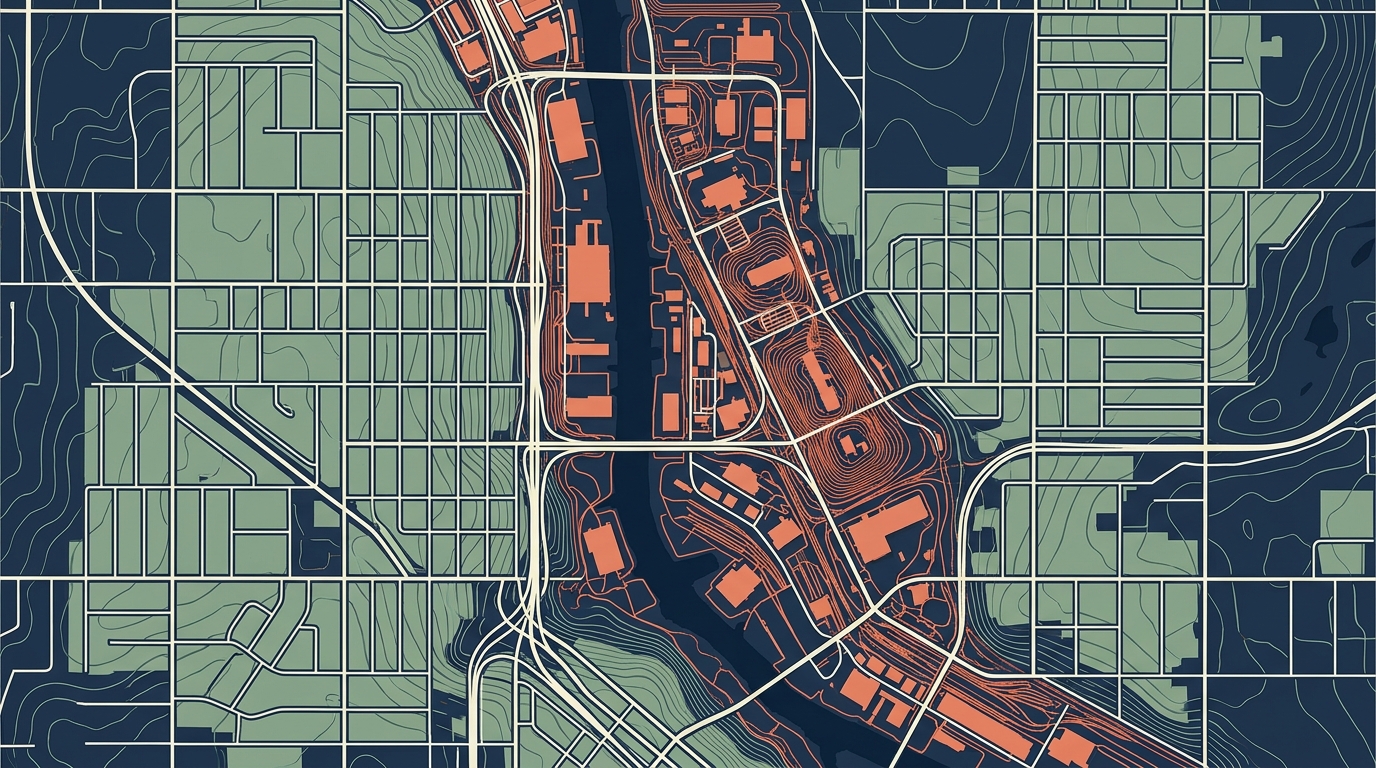
Minneapolis is moving to overhaul the North Transfer Station, the aging solid waste facility in North Minneapolis where garbage and recycling trucks consolidate loads before they head to landfills and processing sites, raising questions about whether the renovation will ease or entrench the environmental burdens that community has carried for decades.
The city posted a formal construction bid for the project this week, though Minneapolis has not publicly disclosed the cost estimate or a construction timeline. What is known is that the facility handles a significant volume of the city's residential waste. Minneapolis is one of the few large U.S. cities that runs its own curbside collection system, making the transfer station a linchpin of that operation.
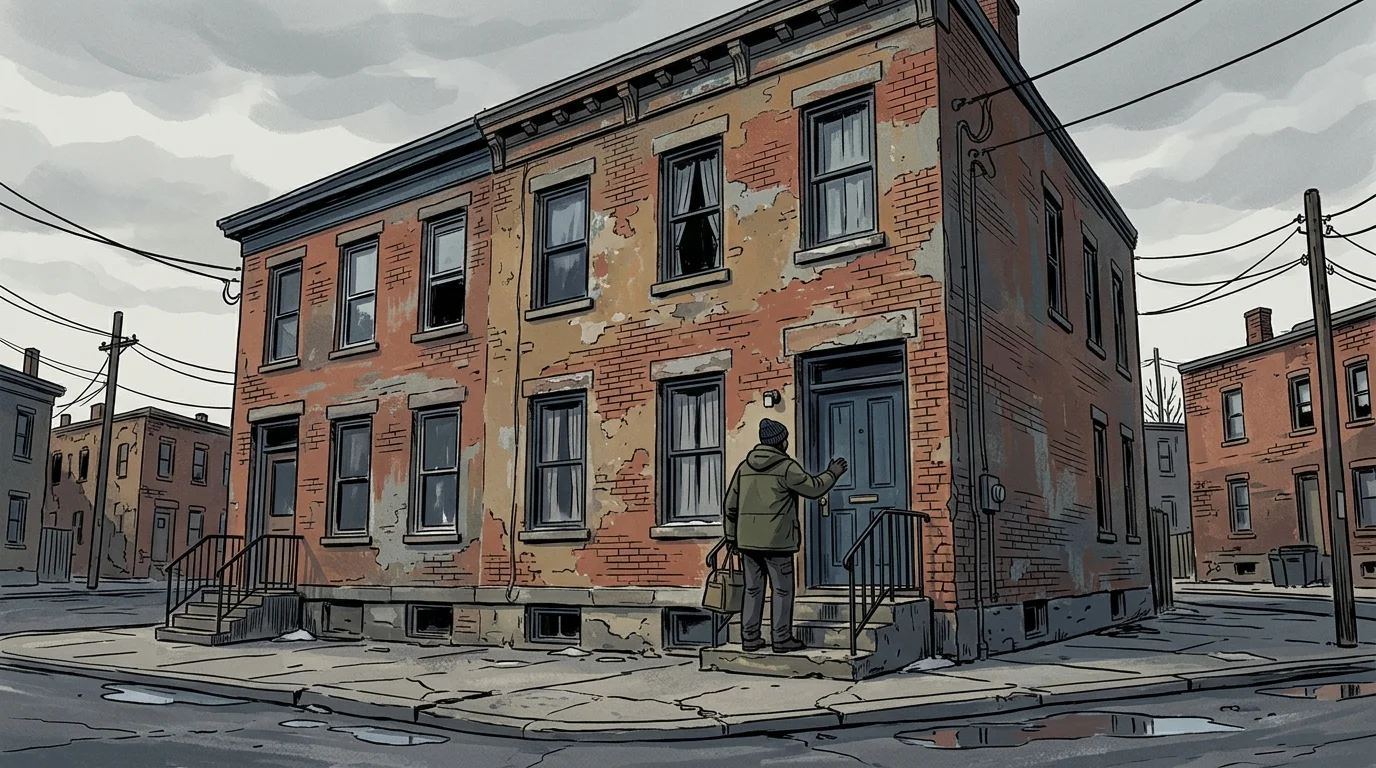
North Minneapolis is a predominantly Black community with lower median incomes than the city as a whole, and residents there have long dealt with a disproportionate concentration of waste facilities, industrial sites, and pollution. Environmental justice advocates have been pushing for years to rebalance those burdens, and any major investment in the facility will draw scrutiny over whether modernization brings genuine relief, through reduced truck traffic, cleaner emissions standards, and better noise controls, or simply upgrades the infrastructure while leaving community impacts in place.
The timing also reflects broader pressures on urban waste systems. Minneapolis adopted a Zero Waste plan in 2016 with a goal of eliminating waste to landfills by 2030, a target that has proven difficult to hit. Transfer stations designed in an earlier era weren't built to handle the more complex sorting required for organics composting and recycling programs that have expanded since. Nationally, cities have been scrambling to invest in domestic processing capacity since China's 2018 ban on imported recyclables collapsed the economics of American recycling and forced local governments to rethink their infrastructure.
Minneapolis is pursuing this project against a backdrop of tight city finances. Budget pressures following the pandemic and the civil unrest after George Floyd's murder in 2020 have made major capital expenditures politically sensitive, particularly when they involve facilities in communities that have historically seen investment as a mixed blessing.
The city has not announced when it expects to select a contractor or begin construction. Residents and community organizations in North Minneapolis will likely be watching closely to see what environmental commitments, if any, are attached to the project.