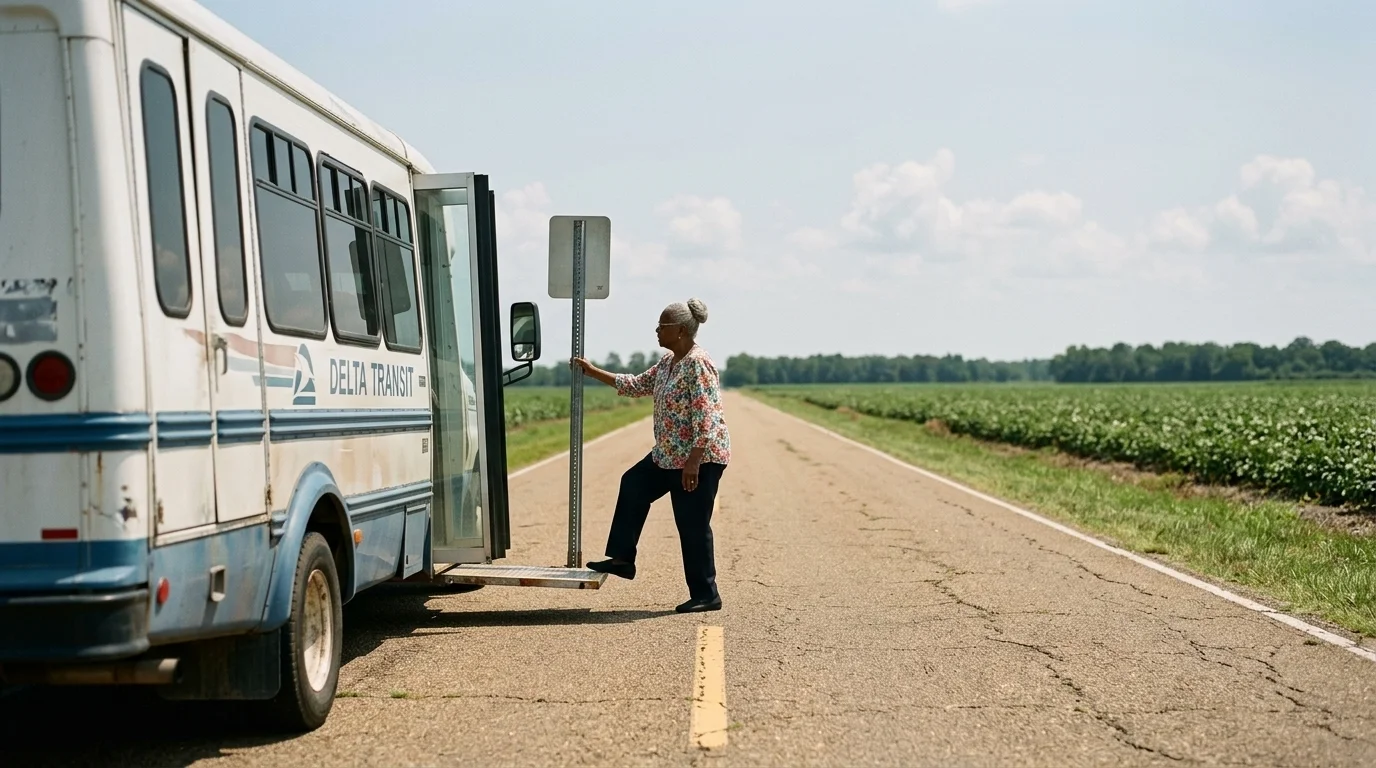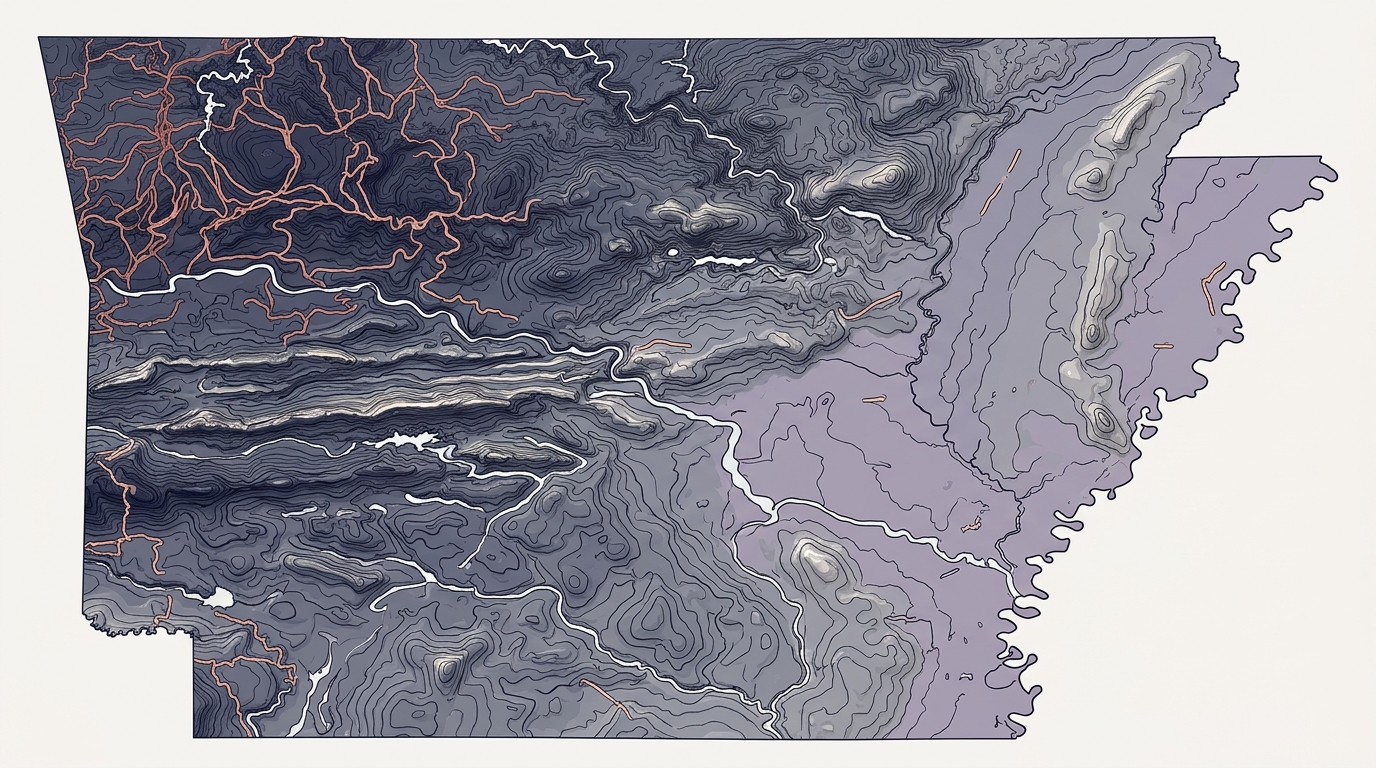
Arkansas is getting $1.55 million in federal funding to plan a statewide trail network that would connect communities across a state where world-class cycling infrastructure exists in one wealthy corner and almost nowhere else.
The Department of Transportation grant awarded in March 2026 under the competitive BUILD program will fund the planning phase of a multi-modal trail system designed to link walking, cycling, and transit connections across the state. It's a planning grant, not construction money, but that distinction matters: statewide trail master plans typically serve as the foundation for unlocking far larger federal and state construction dollars down the road.
The need for such a plan is hard to miss. Northwest Arkansas, home to Walmart, Tyson Foods, and J.B. Hunt, has more than 100 miles of paved trails funded heavily by Walton Family Foundation philanthropy, including the 36-mile Razorback Greenway connecting Bentonville to Fayetteville. It's been called one of America's best cycling regions. The rest of the state, particularly the rural Arkansas Delta, the Ouachita region, and south Arkansas, has minimal connected trail infrastructure and in many communities no safe way to travel by foot or bike at all.
That gap matters beyond recreation. Arkansas ranks 47th in the nation for overall health, with high rates of obesity, diabetes, and cardiovascular disease. The state's poverty rate of around 16 percent exceeds the national average, and car-free transportation is difficult or dangerous across much of rural Arkansas. Trails, when built as transportation infrastructure rather than amenities, can change that math.
The economic case is also real. Studies from the Rails-to-Trails Conservancy have documented tourism revenue gains and property value increases in communities connected by trail networks. Arkansas already has the natural backbone for such a system: the Buffalo National River, the Ouachita National Forest, the Ozark Highlands Trail, and the Mississippi River Trail all represent anchor assets that a connected statewide network could build around and rural tourism economies could benefit from.
Other states have followed this planning-to-construction pipeline with notable results. New York completed the 750-mile Empire State Trail in 2020, and Michigan has developed the Iron Belle Trail using a similar approach. Both started with a planning document much like the one Arkansas is now funding.
The Arkansas Department of Transportation has historically concentrated on highways and bridges, making a statewide trail planning effort a meaningful shift in focus. Similar federal grants have helped communities like Lorain, Ohio design new roads and bike paths as part of broader transportation networks.
What the plan ultimately recommends, and whether Arkansas commits the construction funding to follow through, will be the real test of how serious the state is about trail equity beyond Northwest Arkansas.