Michigan is directing $451,766 toward weatherizing homes of low-income residents this winter, a modest but pointed investment in a state where cold weather and aging housing stock make energy costs a constant financial threat for struggling households.
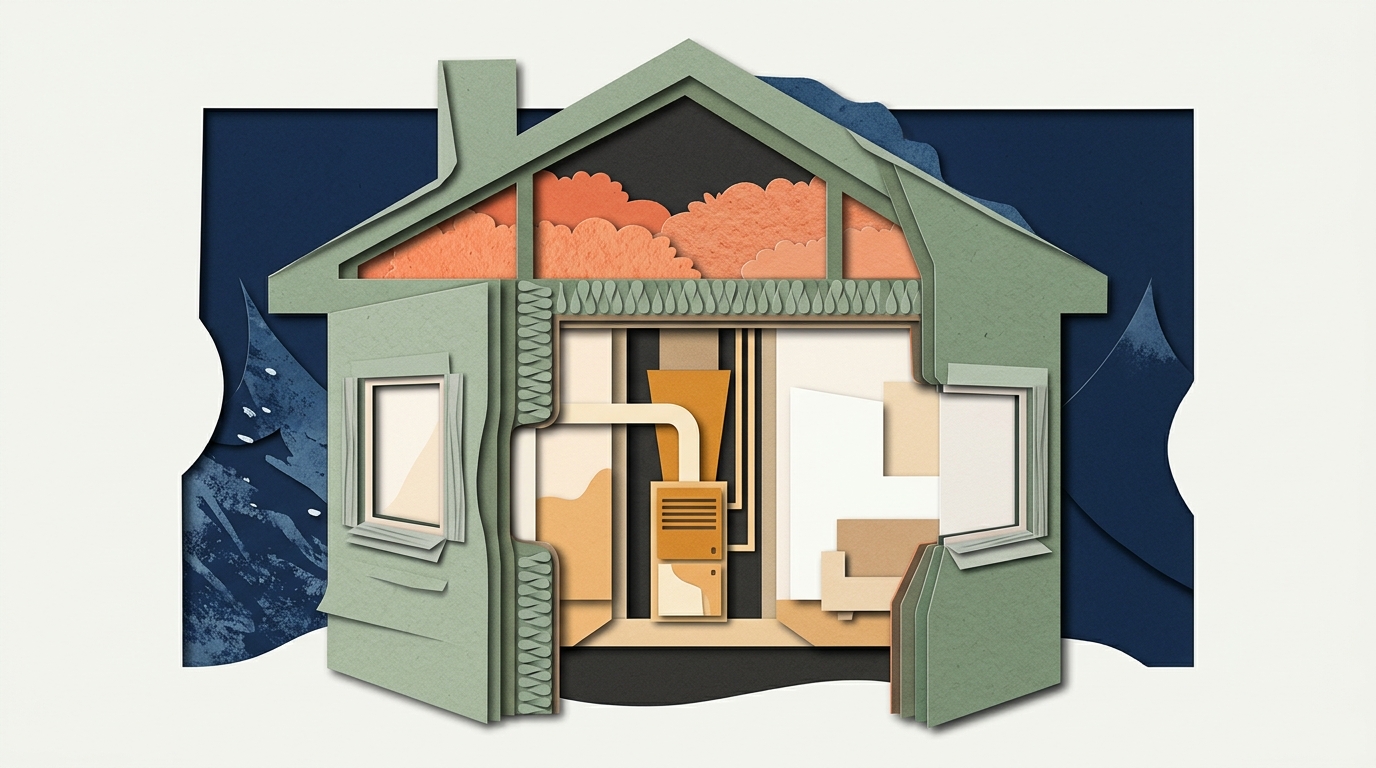
The funds, flowing through the federal Low Income Home Energy Assistance Program (LIHEAP) via the Michigan Department of Health and Human Services, are earmarked for weatherization rather than direct bill payment. That means the money goes toward insulation, sealing air leaks, and upgrading heating systems — improvements designed to permanently lower energy costs rather than cover a single season's bills.
The timing matters. COVID-era supplemental LIHEAP funding that pushed federal allocations above $8 billion annually has now expired, dropping the program back to roughly $4.1 billion nationally for fiscal year 2026. The Trump administration went further, proposing to eliminate LIHEAP entirely in its FY2026 budget, a move that drew pushback from both parties in Congress, particularly from cold-weather state delegations. Michigan's own congressional members, Democrats and Republicans alike, have historically defended the program. Similar pressure is playing out across the country: as Public Sector Wire reported, Vermont is grappling with a $20 million federal heating aid allocation that may still leave thousands without help.
Michigan is one of the most LIHEAP-dependent states in the country. About 1.5 million Michigan households qualify as low-income, and average winter heating bills run $800 to $1,200 or more. The state's housing stock is old — the median home was built in 1969 — meaning poor insulation and inefficient heating systems are widespread. Cities like Flint, Detroit, and Saginaw carry poverty rates above 30%, and the Upper Peninsula faces some of the harshest winters east of the Rockies.
This $451,766 is one subaward within Michigan's larger annual LIHEAP allocation, which typically totals $200 million to $250 million. The weatherization focus reflects a broader strategic tension in energy assistance: direct bill payments help families survive the current season, but weatherization investments reduce how much help they'll need in future years.
Michigan's Winter Protection Plan prohibits utility shutoffs between November 1 and March 31, which prevents immediate crises but allows households to accumulate large arrearages that become due in spring. Weatherization addresses the root cause rather than the accumulating debt.
Whether Congress preserves LIHEAP funding at levels adequate to meet demand when the FY2026 budget is finalized will determine how far state agencies can stretch allocations like this one.