UT Southwestern Medical Center in Dallas is exploring whether to build a proton therapy center, a potential investment exceeding $200 million that would bring advanced cancer treatment technology to one of the nation's fastest-growing metro areas.
The medical center issued a request for vendor information this week, the first step in assessing whether a proton therapy system makes financial and clinical sense for its campus. Proton therapy uses precisely controlled particle beams to target tumors while sparing surrounding healthy tissue, making it especially valuable for treating children and patients with brain tumors or cancers near critical organs.
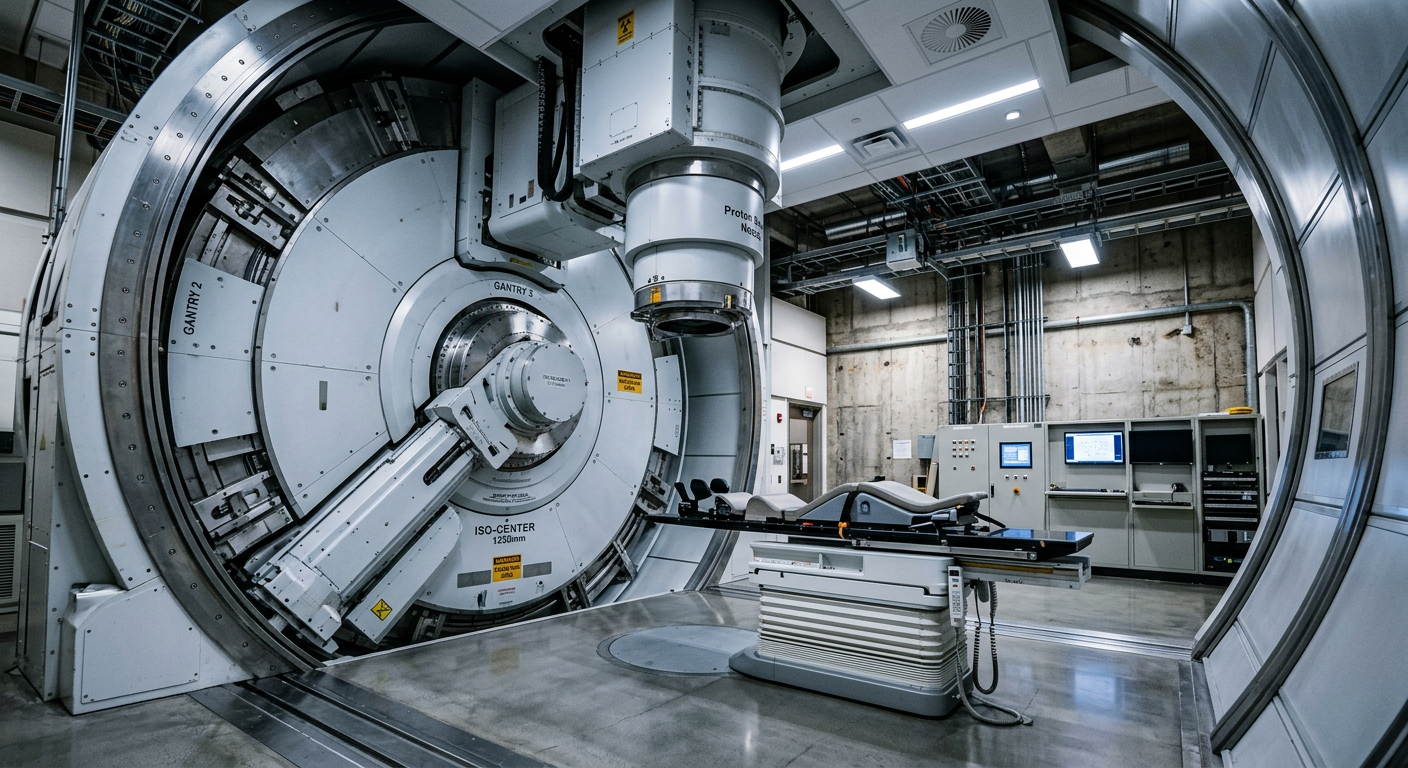
The technology requires massive infrastructure: cyclotrons to generate proton beams, specialized radiation shielding, and often multi-story facilities. Systems typically cost $150 million to $250 million to build and install, representing one of the largest capital investments a medical center can make.
North Texas is a major growth market for healthcare. The Dallas-Fort Worth metro area has 7.8 million residents and is projected to exceed 10 million by 2030. UT Southwestern's Simmons Cancer Center holds National Cancer Institute designation and has been expanding aggressively to compete for patients and research funding, but the institution would be making a significant bet on proton therapy's long-term value.
An existing proton center in Dallas, the Texas Center for Proton Therapy, has faced financial and operational challenges since opening in 2015. MD Anderson Cancer Center in Houston operates one of the world's largest proton facilities, but it's four hours from Dallas.
Research on proton therapy's cost-effectiveness has been mixed. Studies show clear benefits for pediatric cancers and certain adult cases, but questioned the value for common cancers like prostate, where newer conventional radiation techniques may work as well at lower cost.
UT Southwestern has not committed to building a proton center. The current request simply gathers information from equipment vendors about available systems and capabilities, which will inform whether the project moves forward.