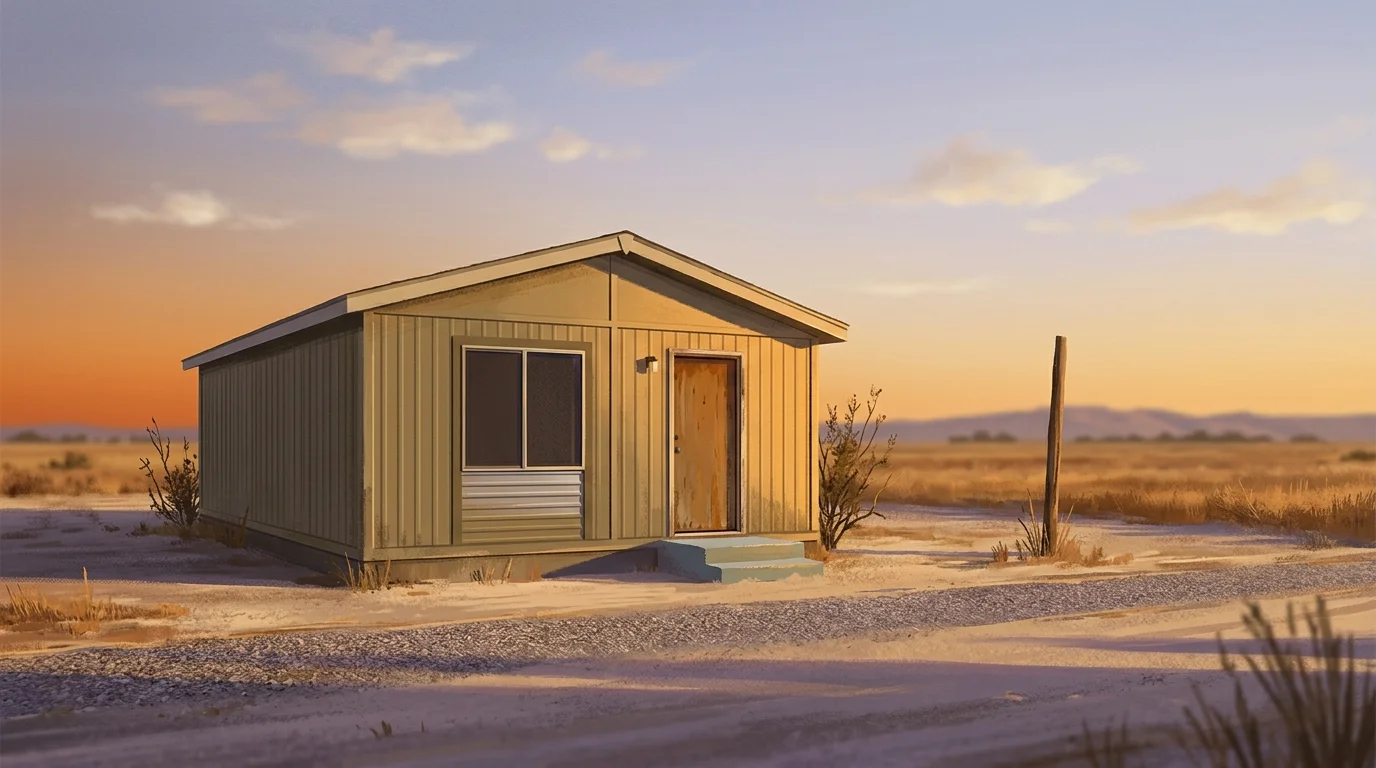
Stockton, California is moving to purchase factory-built tiny homes specifically designed for families experiencing homelessness, a shift that reflects both the urgency of the state's housing crisis and the limits of what conventional construction can realistically deliver.
The Central Valley city of roughly 320,000 people is seeking suppliers for prefabricated transitional housing structures under a competitively bid contract that could run as long as five years. The goal is to give homeless families somewhere stable to live while they wait for permanent housing, filling a gap that shelters and emergency beds simply cannot cover.
The timing underscores how dramatically housing costs have shifted even in California's inland cities. A decade ago, the Central Valley was a refuge from Bay Area prices. Today, median rents in Stockton have climbed well beyond what many residents can afford, and the city's poverty rate sits around 20%, roughly double the national average. Stockton's median household income of around $58,000 to $62,000 trails the state median by more than $30,000.
Across California, family homelessness has been rising as evictions, rent increases, and a shortage of affordable units push more households into instability. The state accounts for roughly 28% of the nation's homeless population, and the 2024 federal point-in-time count identified more than 187,000 people experiencing homelessness statewide. Advocates note that family homelessness is often undercounted because families tend to double up in cramped apartments or sleep in vehicles rather than in visible encampments.
Prefabricated tiny homes have become a go-to response across California precisely because the math on traditional construction has become untenable. Building a single affordable unit in many California markets now runs $600,000 to $900,000 and takes three to five years. Prefab units can be deployed in months at a fraction of that cost. Los Angeles, San Jose, Sacramento, and San Francisco have all launched modular or tiny home programs since 2020, spurred in part by California's Project Homekey initiative, which Stockton also participated in.
What's notable here is the funding source. This procurement is backed by local dollars rather than state or federal grants, which tend to come with stricter conditions and slower timelines. That flexibility may help Stockton move faster, but it also means the spending competes directly with other city priorities like roads and public safety in a budget that still carries the weight of the city's 2012 municipal bankruptcy.
The family focus also carries political logic. Homelessness policy in Stockton has been a source of ongoing tension, with residents frustrated over encampments and the pace of solutions. Families with children tend to draw broader public sympathy than other homeless populations, and a program visibly aimed at keeping children housed may help build support for continued investment.
The contract Stockton is pursuing would run three years with options to extend it twice more, a structure that signals the city views this as an ongoing need rather than a one-time emergency purchase.