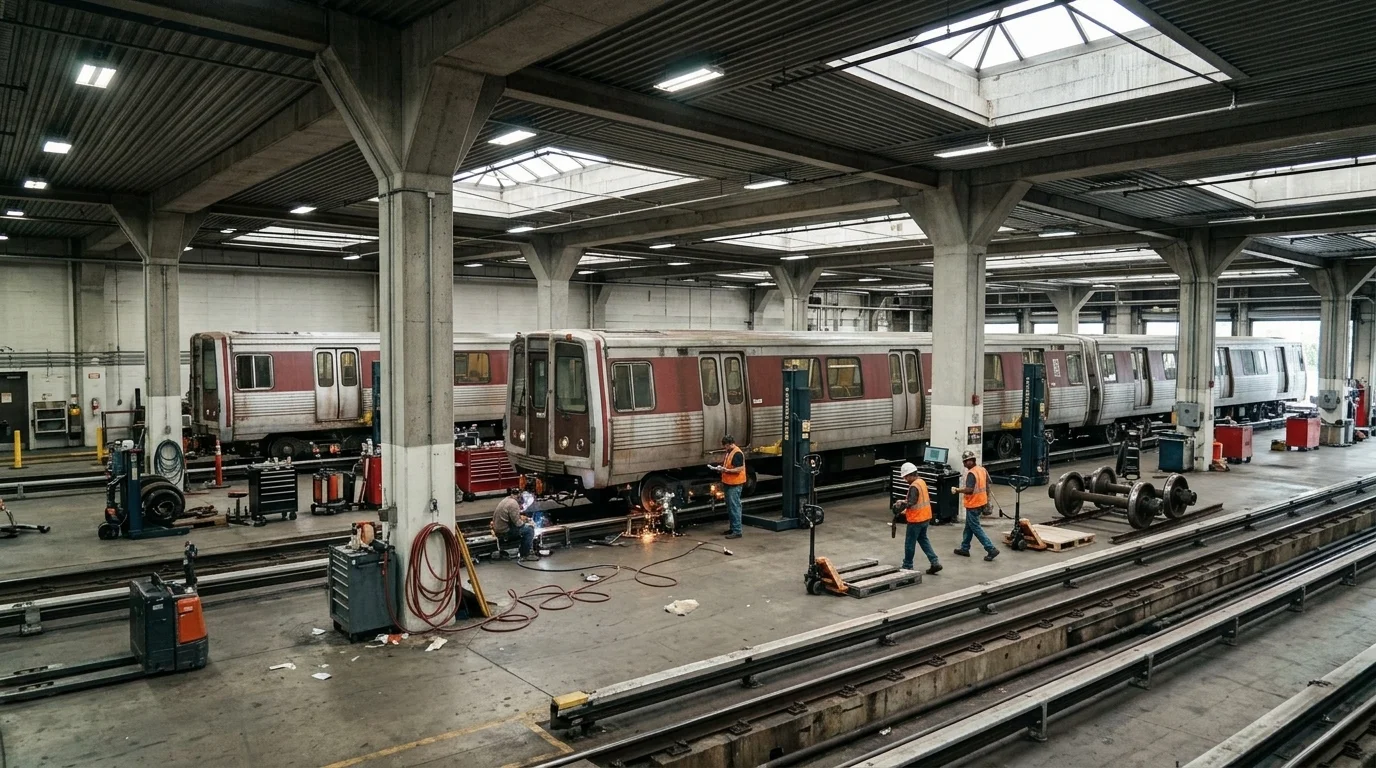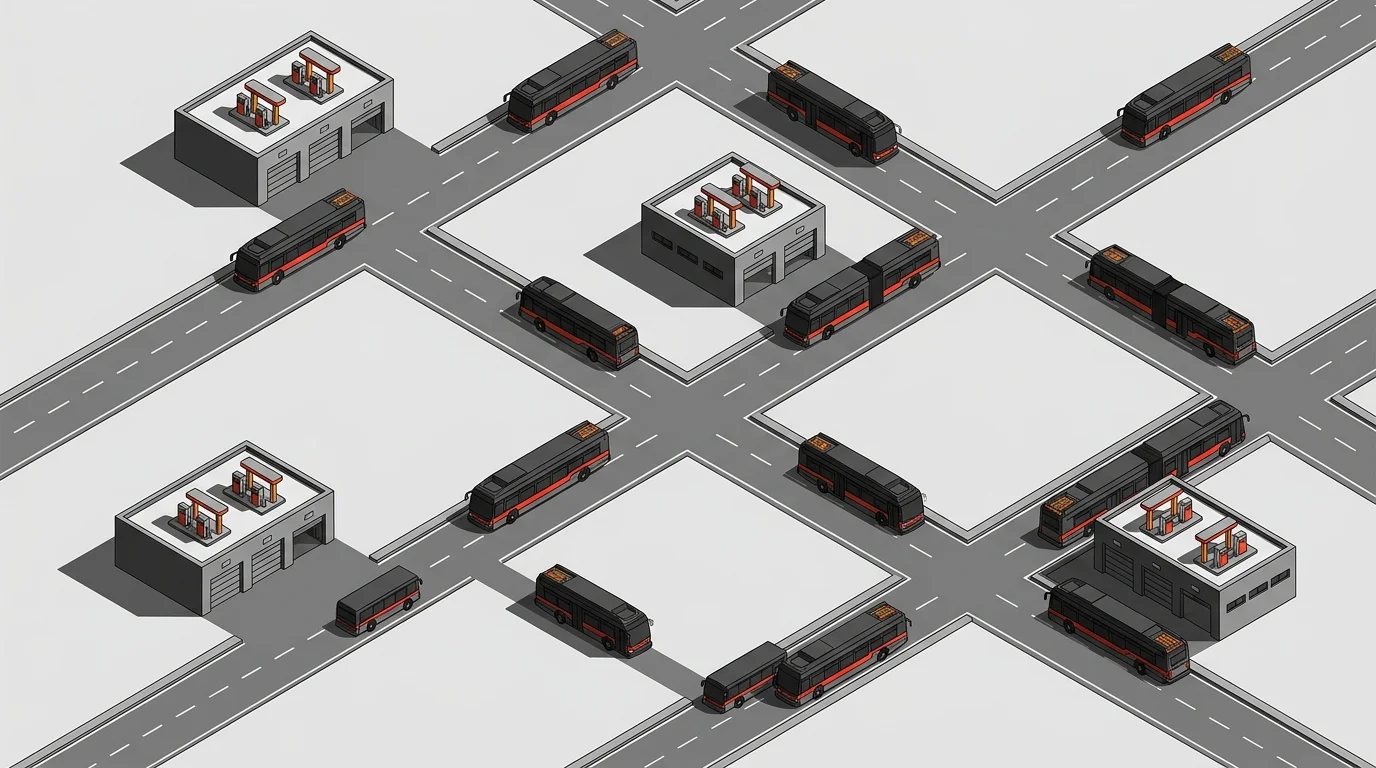
Pace Suburban Bus, the transit agency serving roughly 3.5 million residents across Chicago's six-county suburbs, is moving to add hybrid-electric buses to its fleet, a step toward cleaner transit that reflects both the opportunities and the limits of going green in the suburbs.
The agency is seeking manufacturers to build and deliver low-floor hybrid-electric buses in two sizes: 35-foot models for lower-ridership neighborhood routes and 40-foot buses for busier trunk lines. The number of buses to be purchased hasn't been publicly specified yet, but the procurement covers Pace's service area spanning Cook, DuPage, Kane, Lake, McHenry, and Will counties.
The hybrid choice is deliberate. Pace's suburban routes typically run 20 miles or more, making full battery-electric buses a harder sell than in dense urban networks. Charging infrastructure spread across far-flung suburban depots would cost significantly more than equipping a centralized city garage. Hybrid-electric buses, which can cut fuel consumption by 30 to 40 percent over conventional diesel without requiring any new charging buildout, offer a meaningful emissions reduction while keeping operations manageable.
That stands in contrast to the CTA, which under Illinois' Climate and Equitable Jobs Act is required to buy only electric buses starting in 2026. Pace faces no equivalent mandate, and the agency has historically taken a more cautious approach to capital spending than its Chicago counterpart.
The timing matters. Pace and the broader Regional Transportation Authority only recently stabilized financially after years of warnings about a looming fiscal cliff: the expiration of federal COVID relief funds that had kept the system running as ridership collapsed. Pace's fixed-route ridership still sits around 60 to 70 percent of pre-pandemic levels. A 2024 state restructuring package merged RTA governance and unlocked new dedicated sales tax revenue, giving Pace room to invest in fleet modernization that may have been on hold during the uncertainty.
Federal funding is also more available now than it has been in decades. The 2021 Bipartisan Infrastructure Law expanded the FTA's Low or No Emission Vehicle program from roughly $180 million a year to $1.1 billion, making clean-bus grants far more accessible to agencies like Pace.
The low-floor specification on all buses is also notable. Eliminating boarding steps speeds up stops and improves access for elderly riders and people with disabilities, populations that make up a substantial share of Pace's ridership across the suburbs.
Manufacturers will now compete for the contract. Transit bus procurement has faced supply chain delays industrywide in recent years, so the timeline from award to delivery will be worth watching.