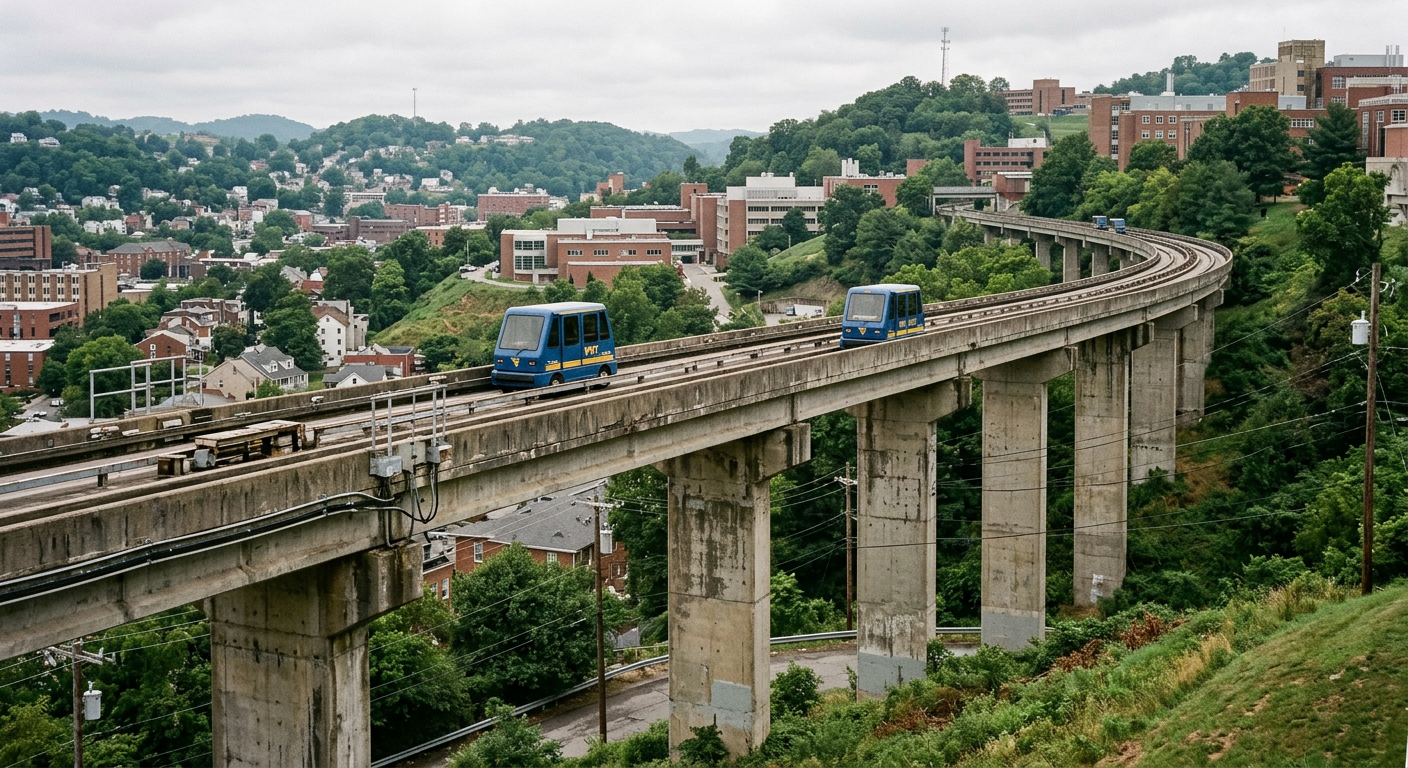
West Virginia University is seeking contractors to replace bridge bearings and repair concrete on a key section of its Personal Rapid Transit system, the 50-year-old automated guideway that connects three campuses across Morgantown.
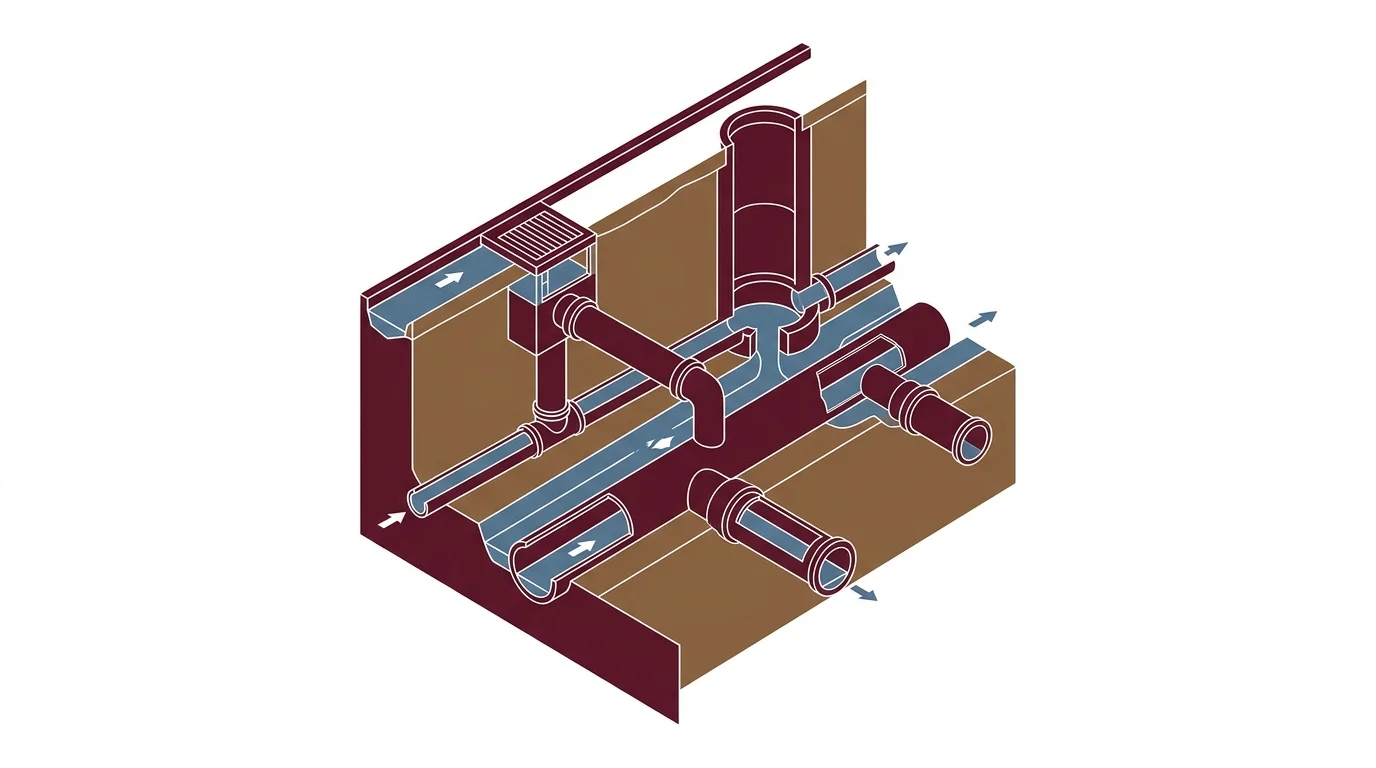
The project targets Bridge No. 31-19-13.06 on the main guideway, the system's busiest route linking downtown and Evansdale campuses. The work involves installing new bearings—the mechanical components that allow the elevated structure to expand and contract with temperature changes and absorb vibrations from passing vehicles—and repairing deteriorated concrete on supporting piers.
The PRT carries approximately 15,000 riders daily during the academic year, more than many small city bus systems. Built in 1975 with federal demonstration project funding, it's one of only two operational personal rapid transit systems ever built in the United States. Most similar experiments from that era failed or were abandoned.
But the infrastructure is showing its age. WVU has spent the past two decades in continuous maintenance mode. The university completed a $51 million vehicle replacement in 2019, updating all 71 automated cars. Now the focus has shifted to the guideway itself—the concrete piers, bridge bearings, and structural supports built in the mid-1970s.
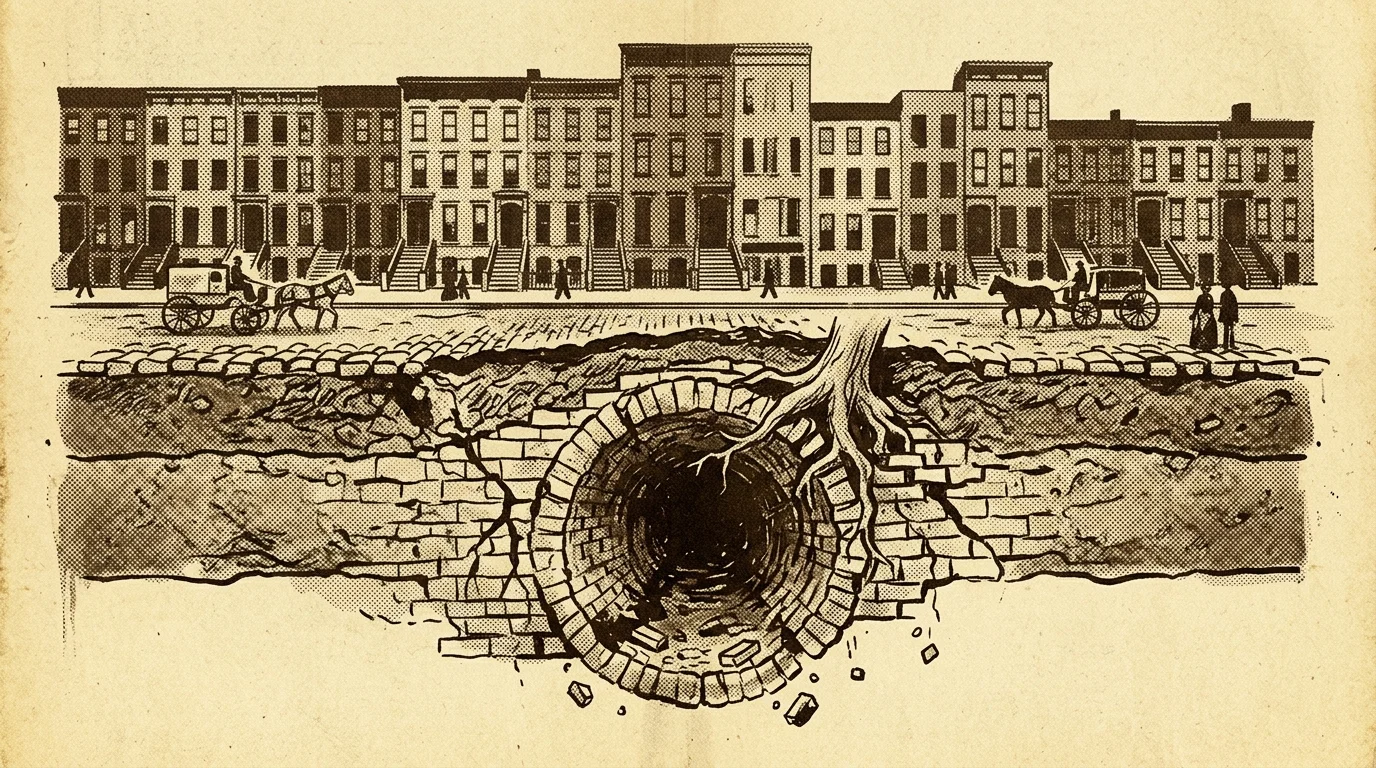
Bearing failures aren't theoretical. When these components degrade, concrete cracks, structural alignment shifts, and safety margins narrow. The work falls under West Virginia Department of Transportation oversight because the PRT crosses state highways and operates as public transit infrastructure.
Morgantown's geography—steep hills, a river valley, and Interstate 79 cutting through campus—makes the elevated guideway particularly valuable. The city of 30,000 is dominated by the university's 28,000 students, and alternative transit options are limited by the terrain.
Contractor selection begins this spring, with work expected during a maintenance window that minimizes disruption to daily service.