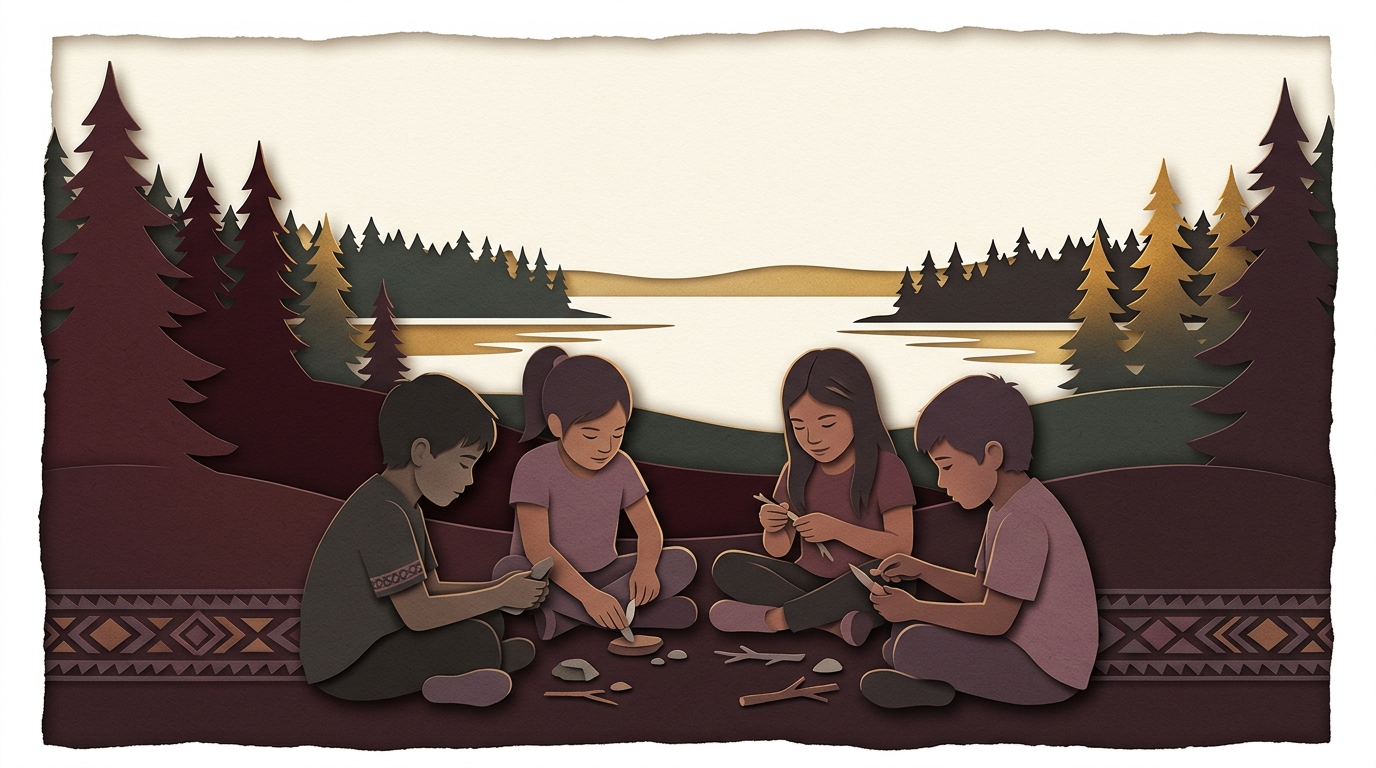
Native American children in Wisconsin's tribal communities will continue receiving early childhood education services after a $1.36 million federal grant from the Department of Health and Human Services landed this week, sustaining a program that for many families doubles as both a school-readiness tool and a cultural lifeline.
The funding flows through the American Indian/Alaska Native Head Start program, a distinct federal stream that sends money directly to tribal governments and organizations rather than through the state, honoring tribal sovereignty. That structure allows Wisconsin's programs to weave Ojibwe, Menominee, Ho-Chunk, and other Indigenous languages into daily instruction at a moment when many of those languages face extinction.
Wisconsin is home to 11 federally recognized tribal nations, most of them in rural northern parts of the state. Poverty rates on reservations frequently run 30 to 40 percent, compared to roughly 11 percent statewide, and access to quality early childhood programs is limited by geographic remoteness, aging facilities, and persistent difficulty recruiting qualified teachers. The grant is aimed at improving school readiness by building the cognitive, social, and emotional development of young children from low-income families before they enter kindergarten.
The award appears to be a continuation grant to an existing program, meaning children and families already enrolled are counting on it. That continuity matters in communities where Head Start is often the only structured early childhood option available.
The funding arrives at an unsettled time for Head Start nationally. Enrollment has dropped from roughly 900,000 children in 2019 to about 786,000 by 2023, driven by pandemic disruptions and a worsening staffing shortage: Head Start teachers earn significantly less than their public school counterparts, making recruitment and retention a constant challenge. For tribal programs in remote reservation communities, that workforce problem is especially acute. Similar federal investments have gone to tribal communities in Minnesota and Washington in recent months, reflecting ongoing federal efforts to sustain AIAN Head Start across the country.
Budget pressures from the Trump administration and federal efficiency initiatives have added uncertainty across HHS programs, including Head Start, with some providers reporting funding delays earlier in 2025. The program's supporters in Congress, historically bipartisan, have repeatedly pushed back against proposed cuts, but each budget cycle brings fresh questions about whether funding levels will keep pace with need.
The specific tribal organization receiving this grant was not identified in federal records. The Office of Head Start has historically served only about a third of all eligible children nationally due to funding constraints, and advocates say the gap is even wider in tribal communities.