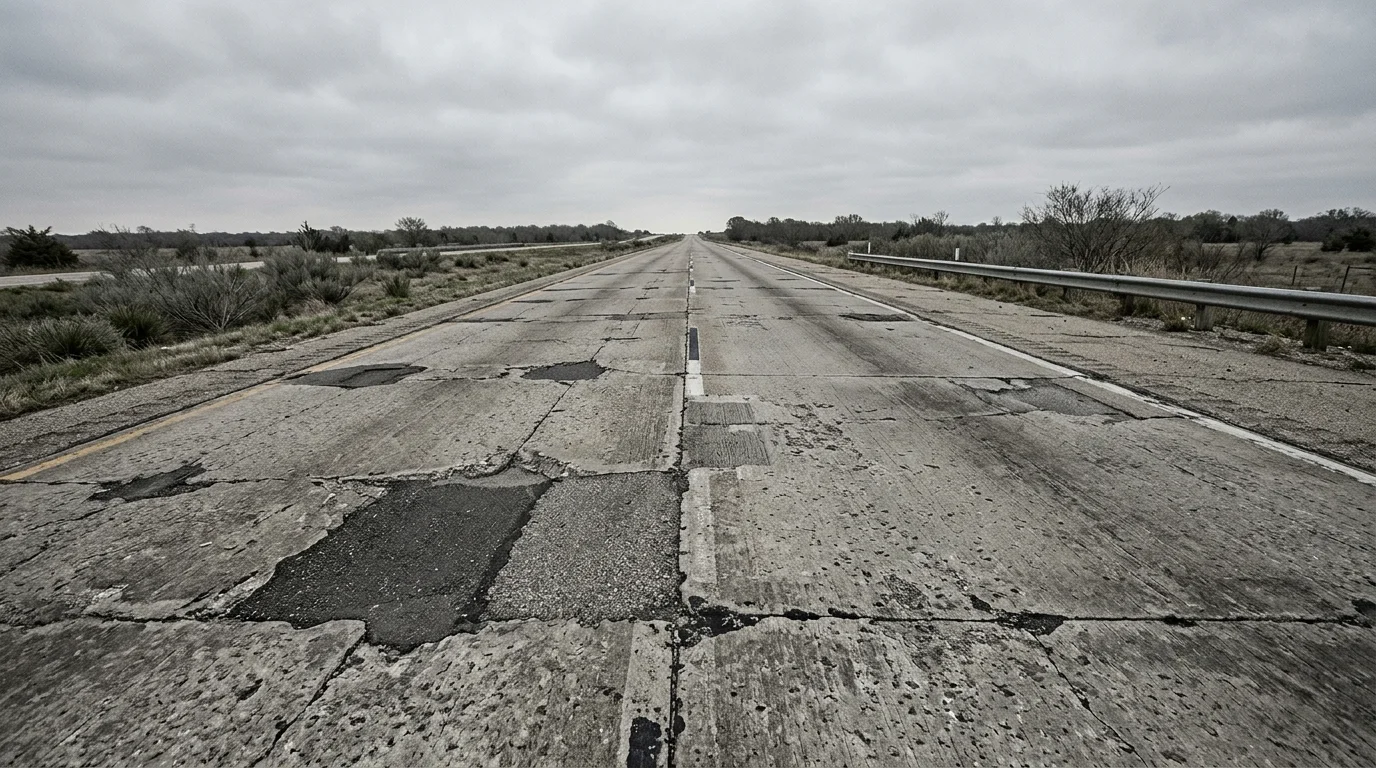
A deteriorating stretch of Interstate 86 in Tioga County, New York is getting a $3 million federal repair that reflects a challenge playing out on aging highways across the country: concrete pavement built decades ago is wearing out faster than it can be replaced.
The project covers 4.2 miles of I-86 between the Village of Owego and the Town of Owego, running roughly from Pumpelly Creek to Marshland Road near the hamlet of Apalachin. The work uses a method called "crack and seat," in which crews deliberately fracture the existing concrete pavement into smaller pieces, compact them into the subbase, then lay a new asphalt surface on top. It costs significantly less than tearing out and rebuilding the roadway from scratch, making it a practical option for rural corridors where budgets are tight and closures are disruptive.
The pavement being repaired is likely 40 to 50 years old. Much of I-86 through the Southern Tier was originally built as Route 17, a limited-access expressway that predated Interstate standards. New York began converting the corridor to full Interstate designation in the late 1990s, a process that stretched across decades and left some segments with original pavement well past its design life. The Owego-to-Apalachin segment sits in that category.
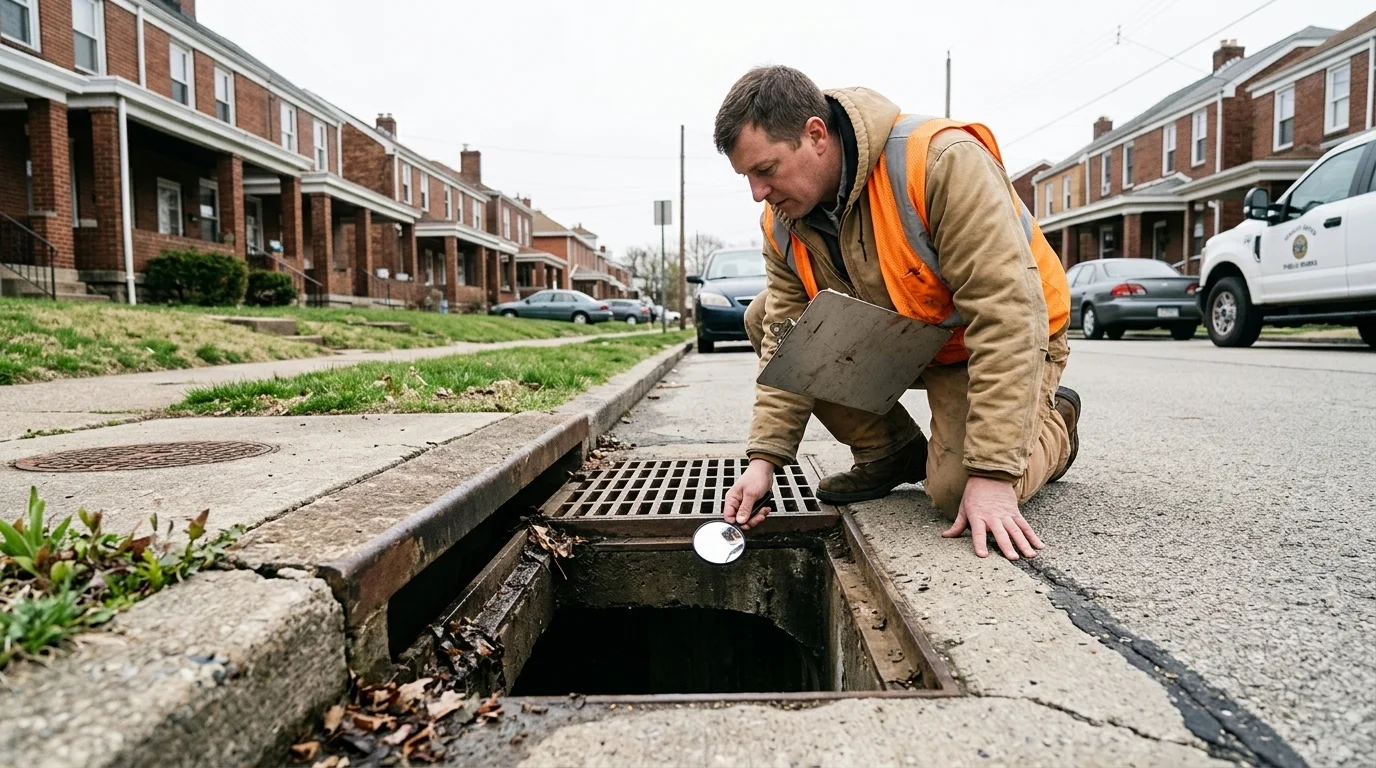
Beyond resurfacing, the federal grant covers new guide railing, updated drainage, and sign structure upgrades, all reviewed and approved by state safety and traffic engineers. The funding comes through the National Highway Performance Program, the federal government's primary tool for maintaining the Interstate system, which received a major boost under the 2021 Bipartisan Infrastructure Law.
For Tioga County, a rural community of roughly 48,000 residents that has lost population over the past decade, I-86 is the main economic artery. The highway carries freight and commuters through the Southern Tier and connects the region to Binghamton to the east. Economic development advocates have long argued that reliable Interstate infrastructure is a prerequisite for drawing investment to an area that has struggled since manufacturing declined.
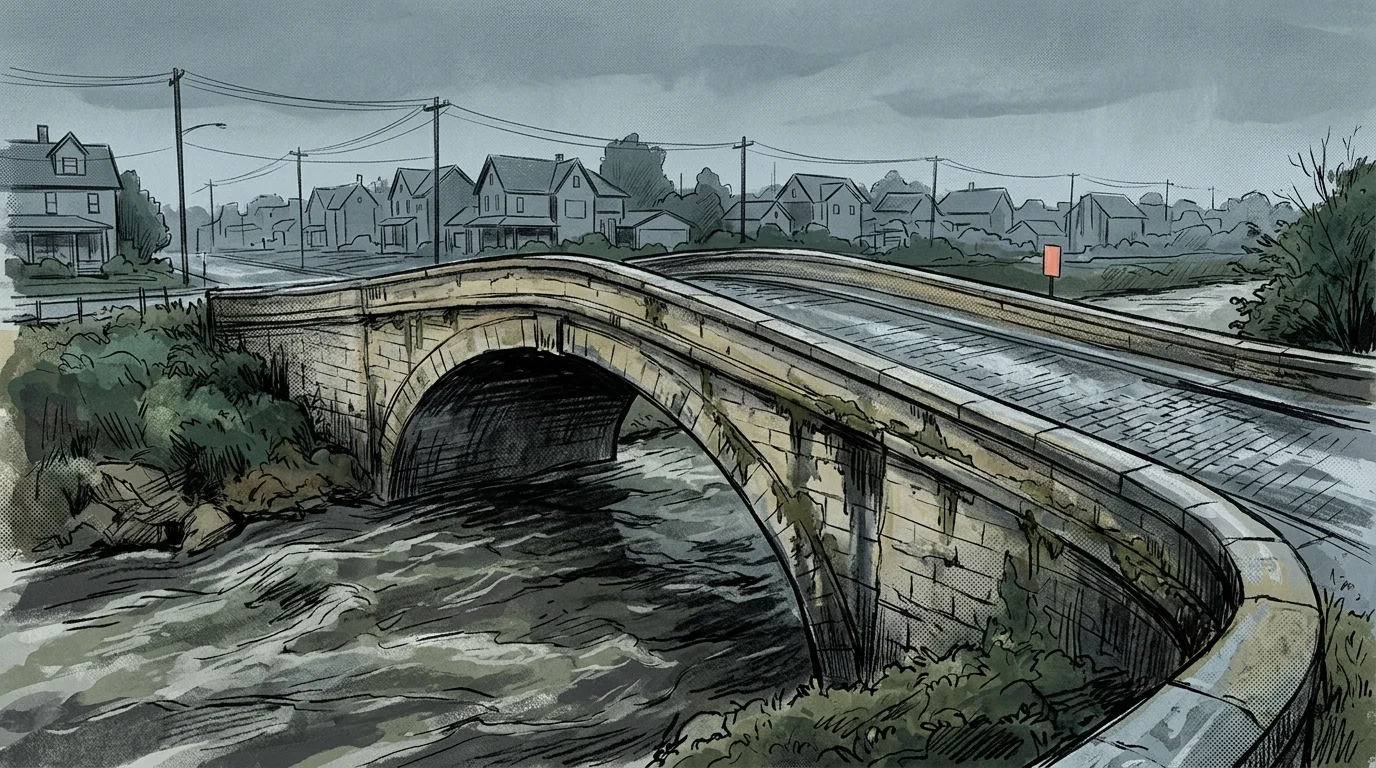
The area also carries the memory of Tropical Storm Lee in 2011, which caused more than $1 billion in damage across the Southern Tier and focused attention on the region's infrastructure vulnerabilities. Owego itself was among the hardest-hit communities.
A construction timeline for the project has not been publicly announced.