Montana is moving to guarantee its own heavy-lift firefighting helicopter for the coming fire season, a sign that the state can no longer count on finding one available when flames break out.
The state's Department of Natural Resources and Conservation, which is responsible for wildfire protection across roughly 5.1 million acres of state and private forestland, is seeking a contractor for an exclusive-use Type 1 twin-turbine helicopter. That means the aircraft and its crew would be pre-positioned and dedicated solely to Montana for the core fire season, typically June through September, rather than available on a call-when-needed basis.
The distinction matters more than it once did. The pool of heavy firefighting helicopters in North America is shrinking and aging, and competition for those aircraft has grown fierce. Federal agencies, neighboring states, and international buyers all draw from the same limited fleet. When Canada's 2023 and 2024 wildfire seasons exploded, helicopters and air tankers were pulled northward, leaving some U.S. states scrambling. For Montana, which can't easily cede aerial capacity to anyone, locking in a dedicated asset before the season starts is increasingly a matter of necessity.
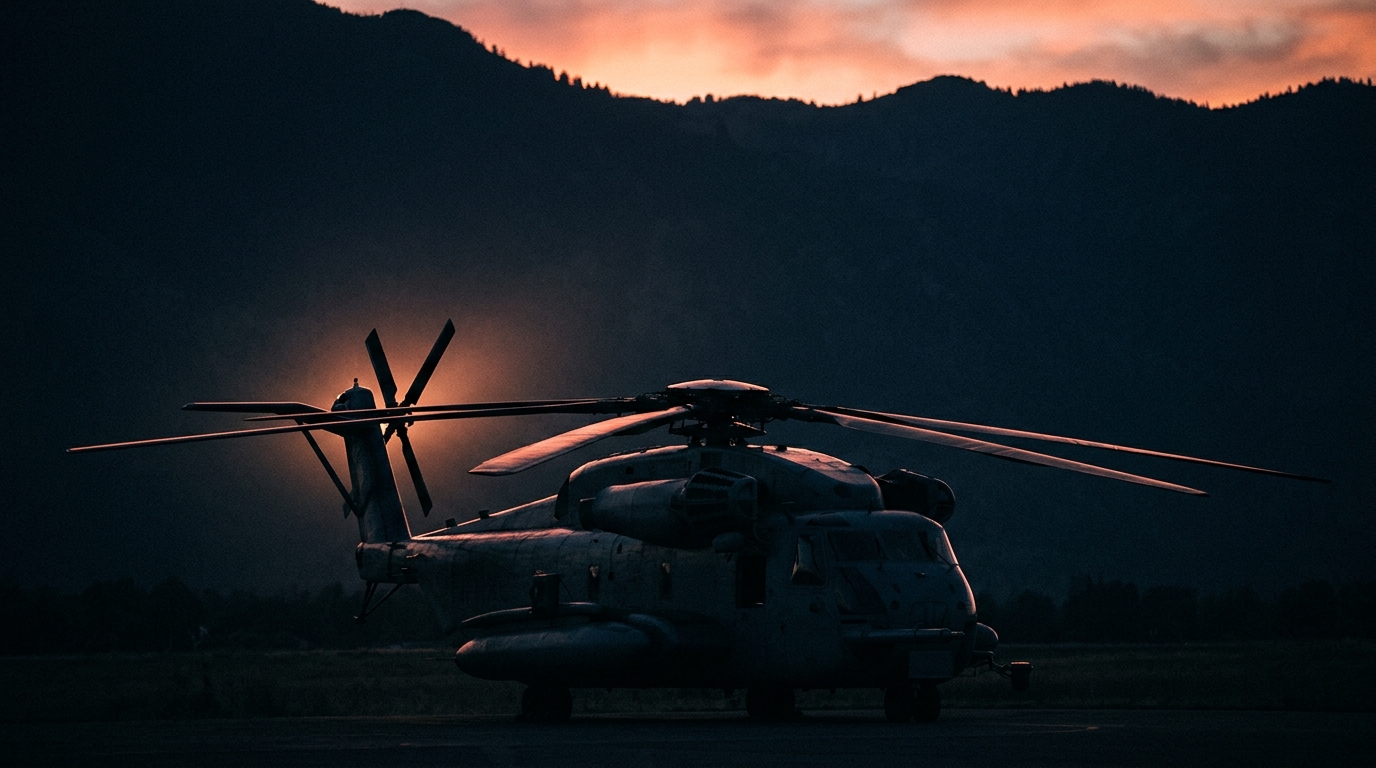
Type 1 helicopters are the largest rotorcraft used in wildland firefighting, capable of carrying more than 700 gallons of water or retardant per drop. Montana's procurement specifically requires a tanked aircraft, meaning the helicopter carries a fixed internal tank rather than relying on a suspended bucket, allowing faster turnarounds on drops. In steep, remote terrain where ground crews often can't reach a fire in time and the window for initial attack is narrow, that speed can be the difference between a 50-acre containment and a disaster.
Montana has seen both outcomes. The state's 2017 fire season burned more than 1.3 million acres and cost an estimated $240 million, a figure that helped drive the legislature to create a dedicated fire suppression fund in 2019 to manage the budget swings that come with severe fire years. Costs can range from $20 million in a mild season to more than $200 million when conditions turn bad, and fire seasons in the American West are now roughly 80 days longer than they were in the 1970s.
Unlike many western states where the U.S. Forest Service leads wildfire response on federal land, Montana's split jurisdictional model puts DNRC on the front lines for a substantial share of direct suppression, making the agency's own aerial planning essential rather than supplemental.
Contractor selection will determine which aircraft and operator Montana flies with this summer.