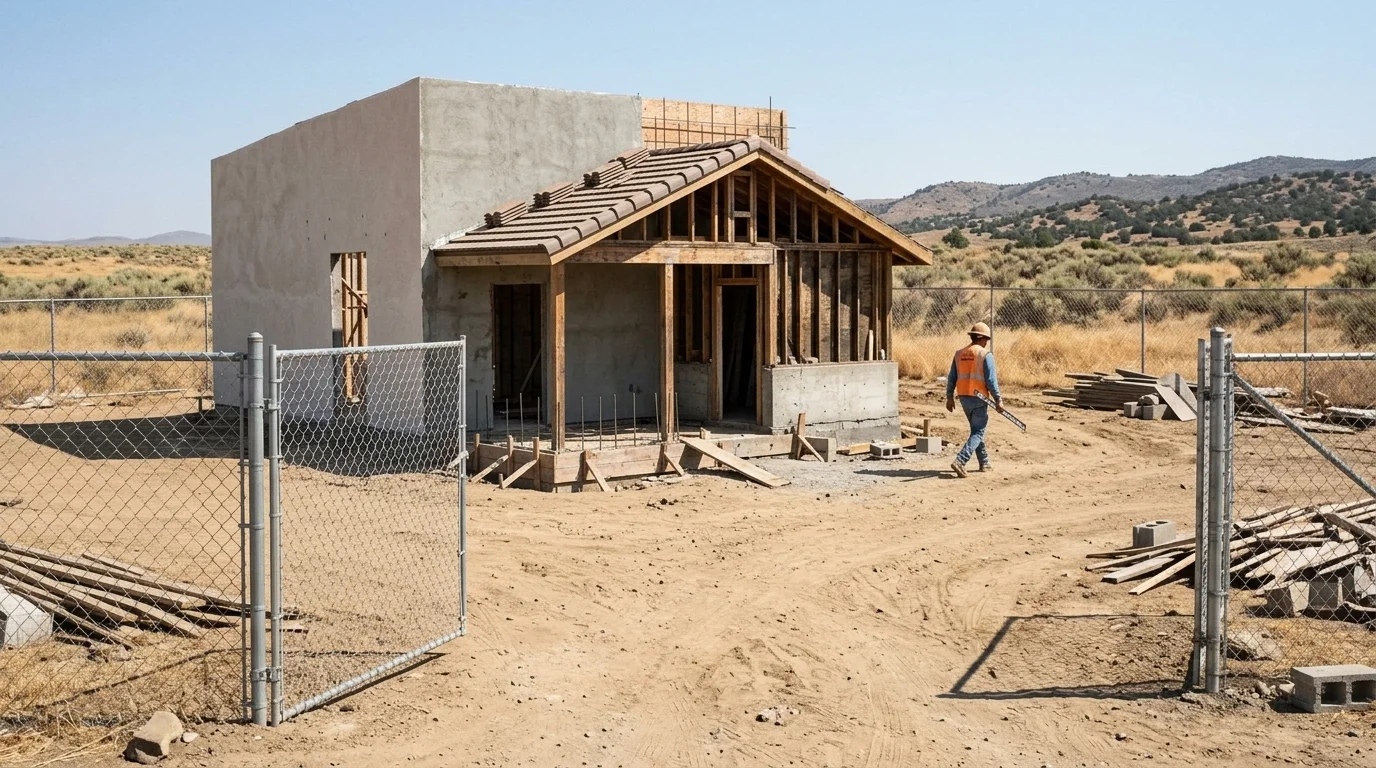
Brevard County, Florida is moving to overhaul the water and wastewater treatment facilities serving its fastest-growing communities, pushed by a combination of population pressure, aging infrastructure, and a years-long environmental crisis in the Indian River Lagoon.
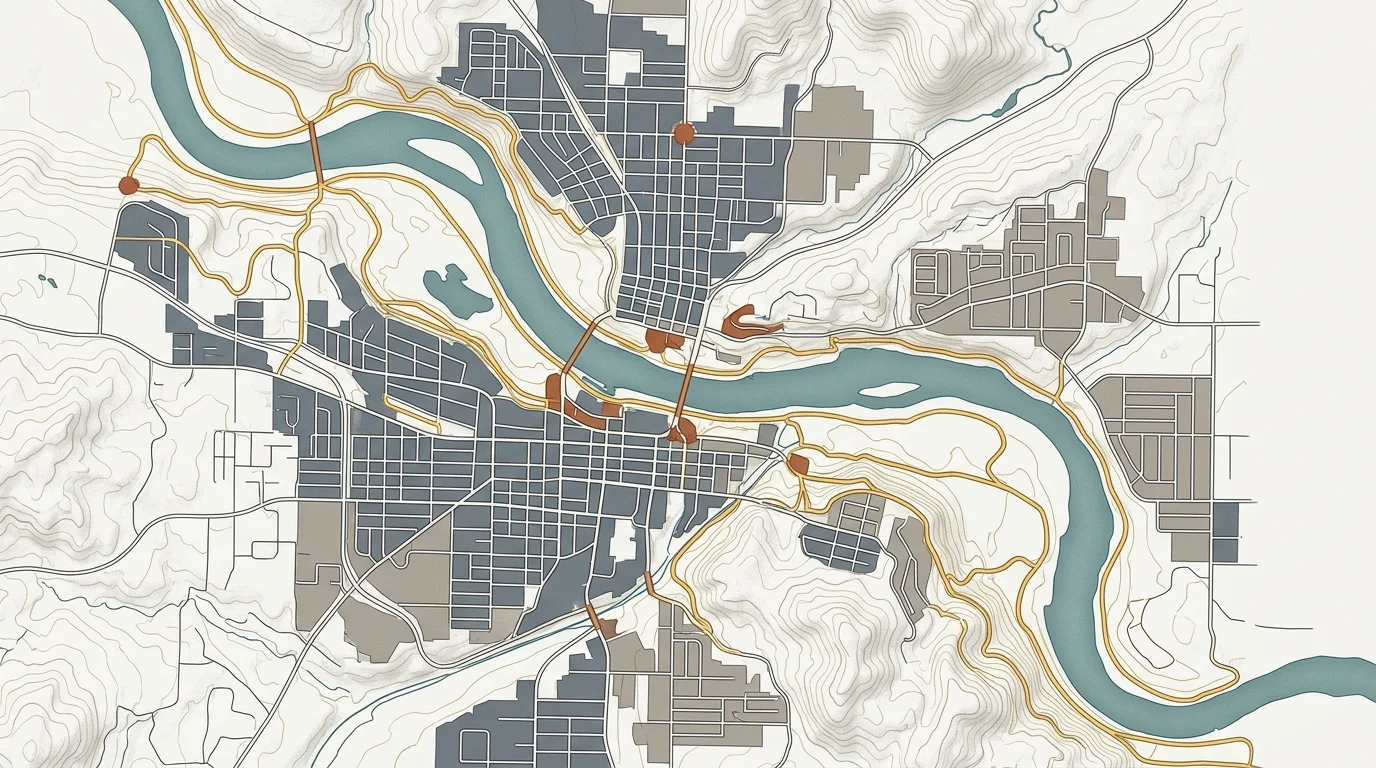
The county is seeking a construction manager for the South Brevard Water and Wastewater Treatment Facility, which serves Palm Bay, Melbourne, and the unincorporated southern corridor. That stretch of the county has seen some of the most intense residential and commercial development in all of Florida over the past two decades, with Palm Bay alone now home to roughly 130,000 residents.
The facilities being upgraded were largely built in the 1970s and 1980s, when Brevard's population was barely half of what it is today. The county's population has climbed past 620,000, and the strain on infrastructure designed for far fewer people has become hard to ignore.
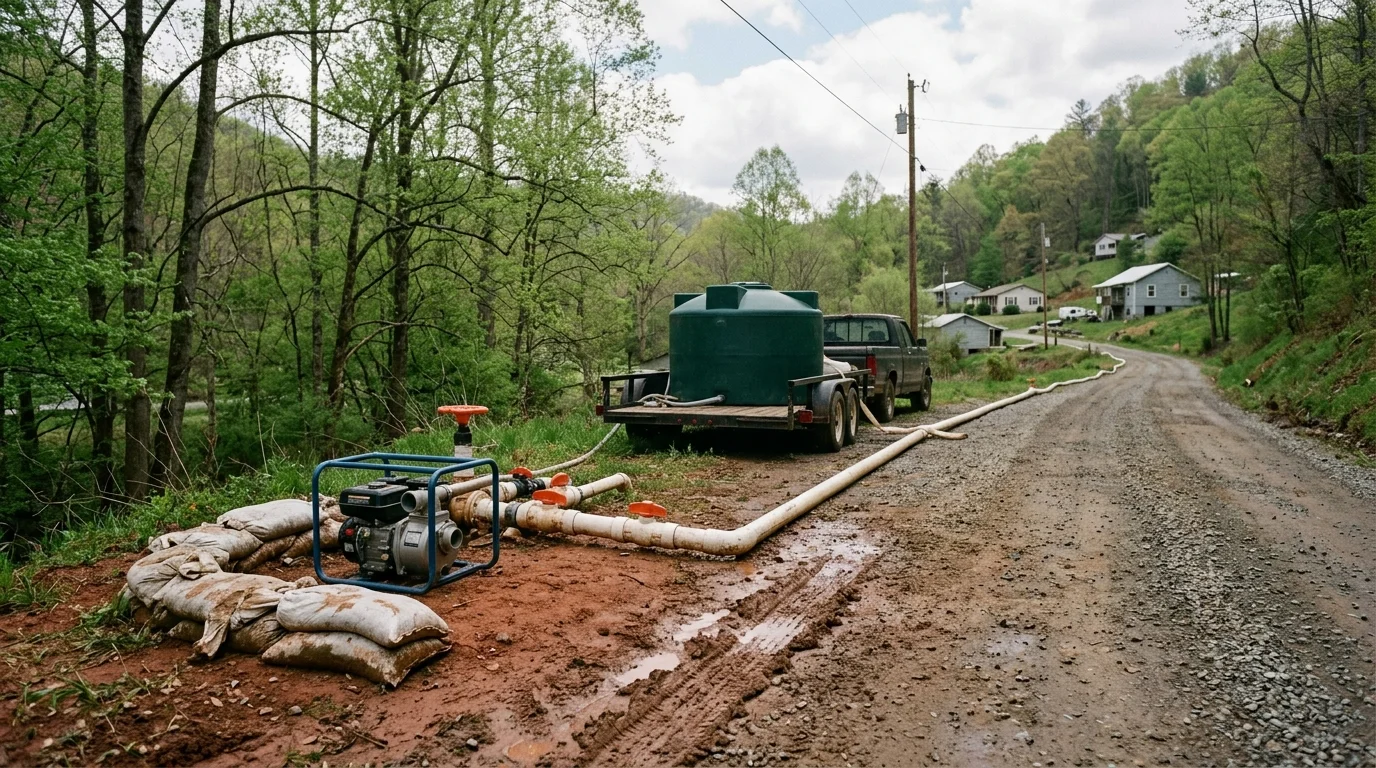
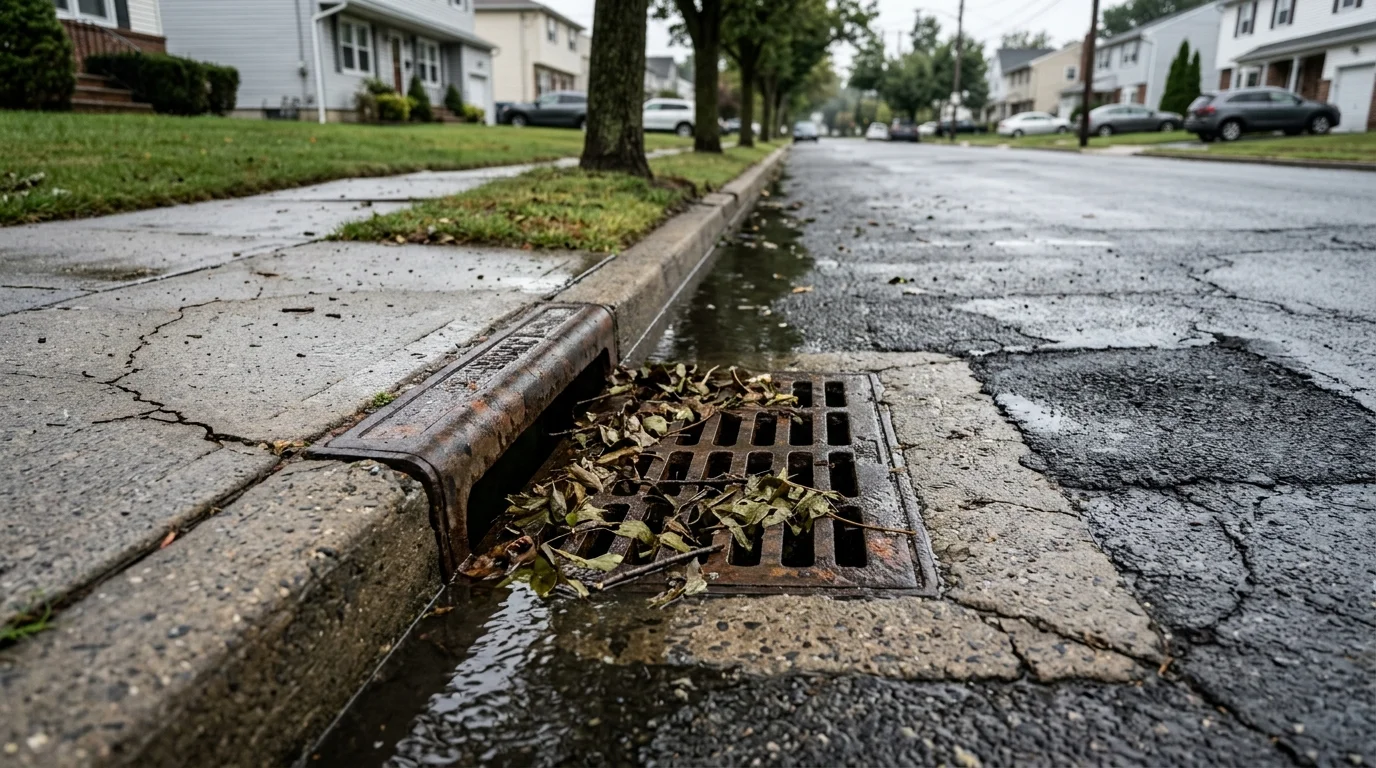
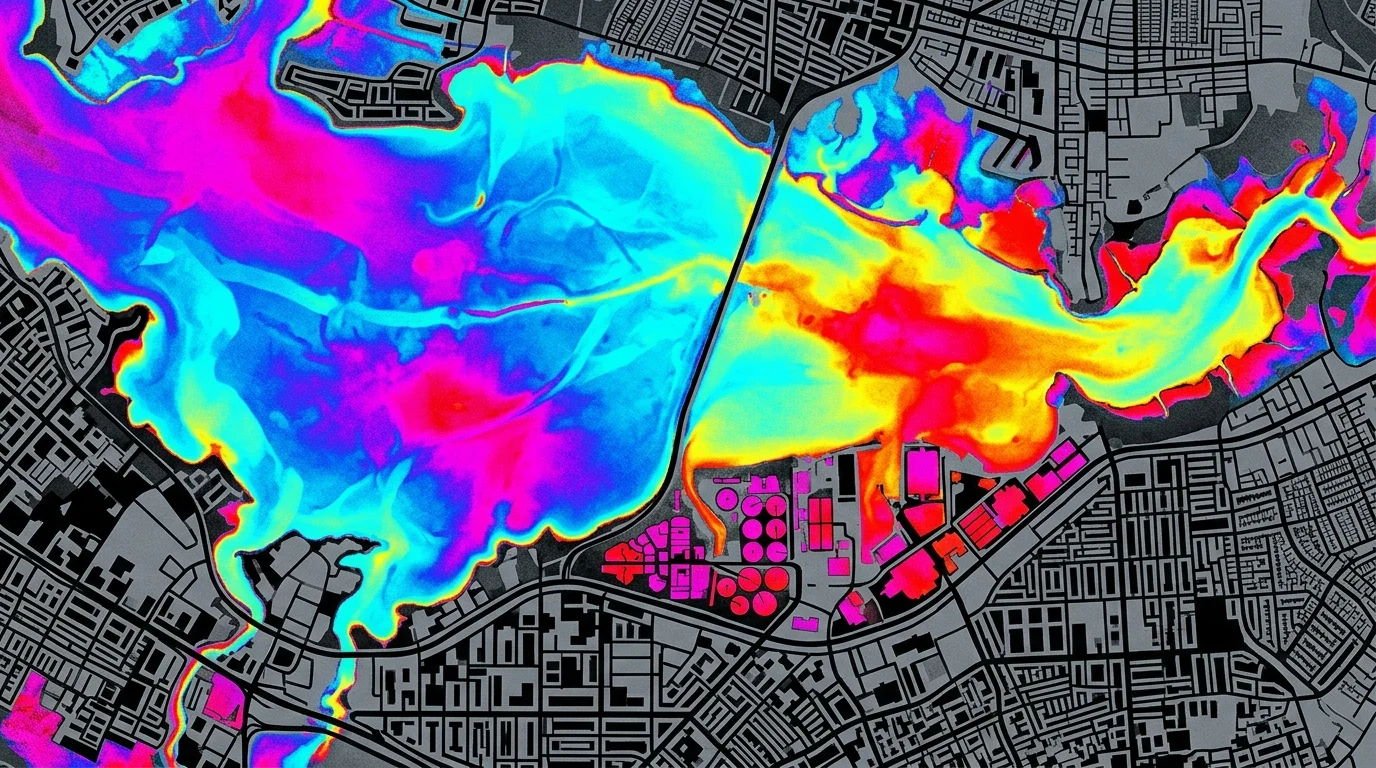
The more urgent pressure, though, is environmental. The Indian River Lagoon, a 156-mile estuary running the length of Brevard County's coastline and one of the most biodiverse in North America, has been in crisis since a 2011 algal superbloom killed vast stretches of seagrass and marine life. Nutrient pollution from wastewater and stormwater has been a leading cause. In 2021, the Florida Legislature tightened requirements on treatment plants statewide, mandating upgrades to advanced wastewater treatment standards and pushing utilities to reduce discharges into surface waters.
Brevard County voters have already signaled their support for the fix. In 2016, they approved a half-cent sales tax dedicated to lagoon restoration by a 62% margin, generating $30 to $40 million annually. Federal dollars from the Bipartisan Infrastructure Law and EPA revolving loan funds have added to the available capital.
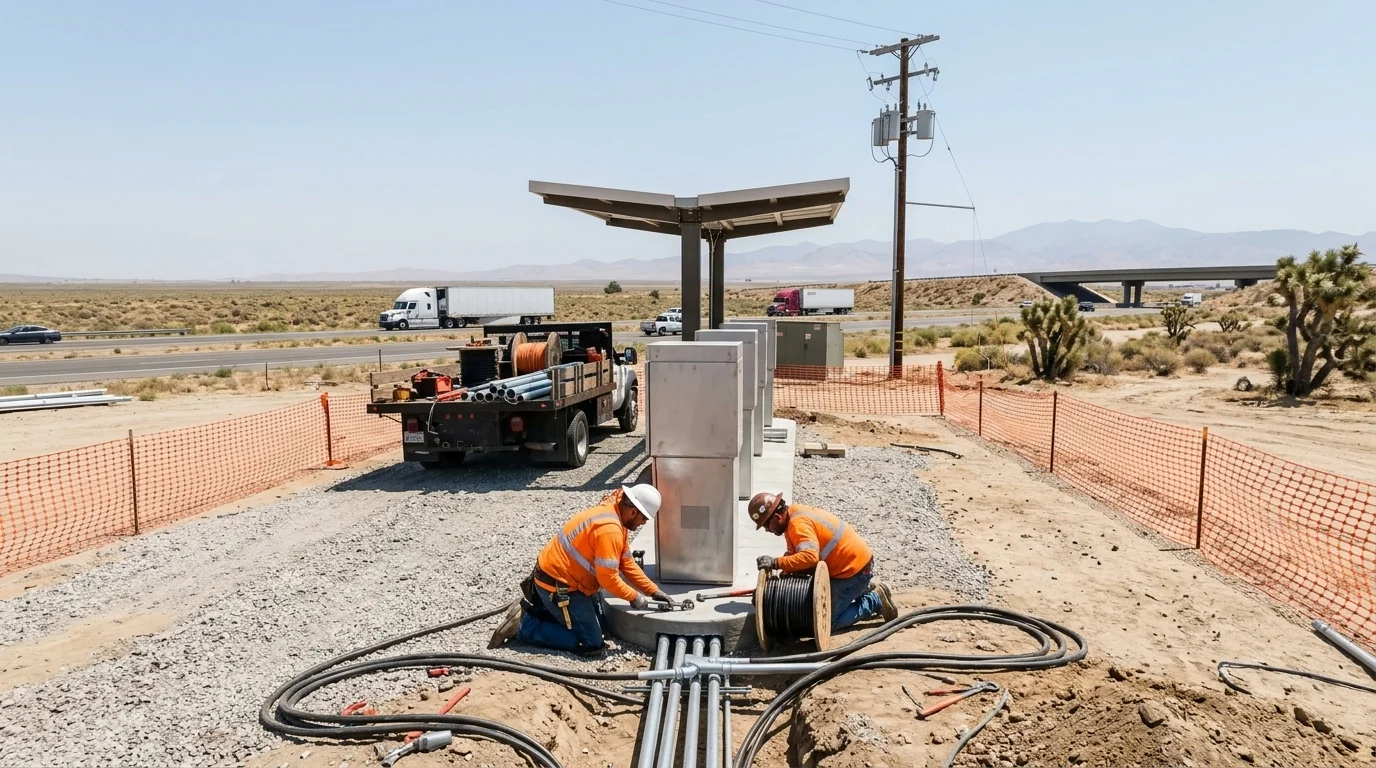
The county's choice to use the Construction Manager at Risk delivery method, rather than the traditional approach of designing a project and then soliciting bids, reflects the scale and complexity involved. Under this model, the construction manager joins the project during the design phase and ultimately guarantees a maximum price, giving the county more cost and schedule certainty on a project likely running into the tens of millions of dollars. The specific budget and full scope of work have not been publicly disclosed.
How quickly construction can begin will depend on how the design and preconstruction phases proceed over the coming months.