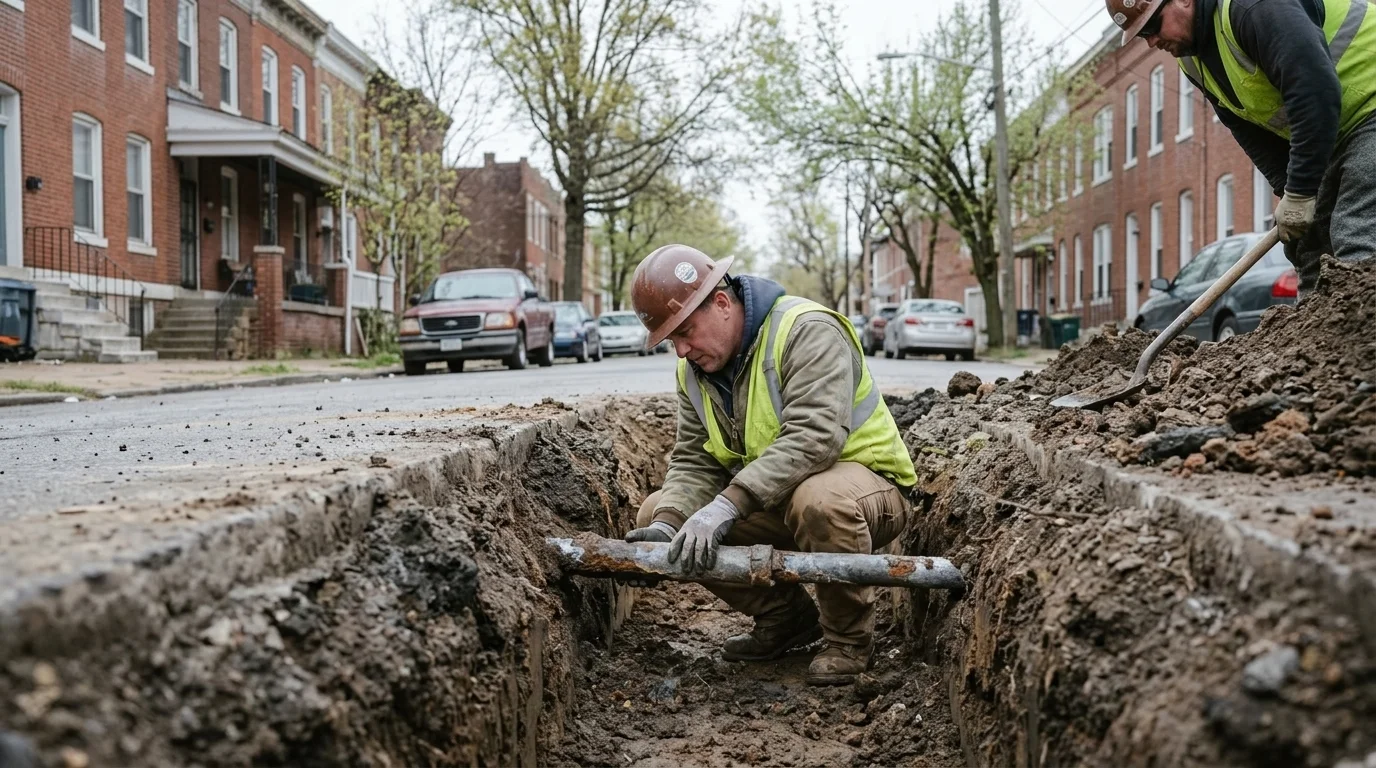
Indiana is getting $2.1 million in federal money to help replace lead water pipes across the state, a public health problem that has been literally buried underground for decades and now faces a hard 10-year deadline to fix.
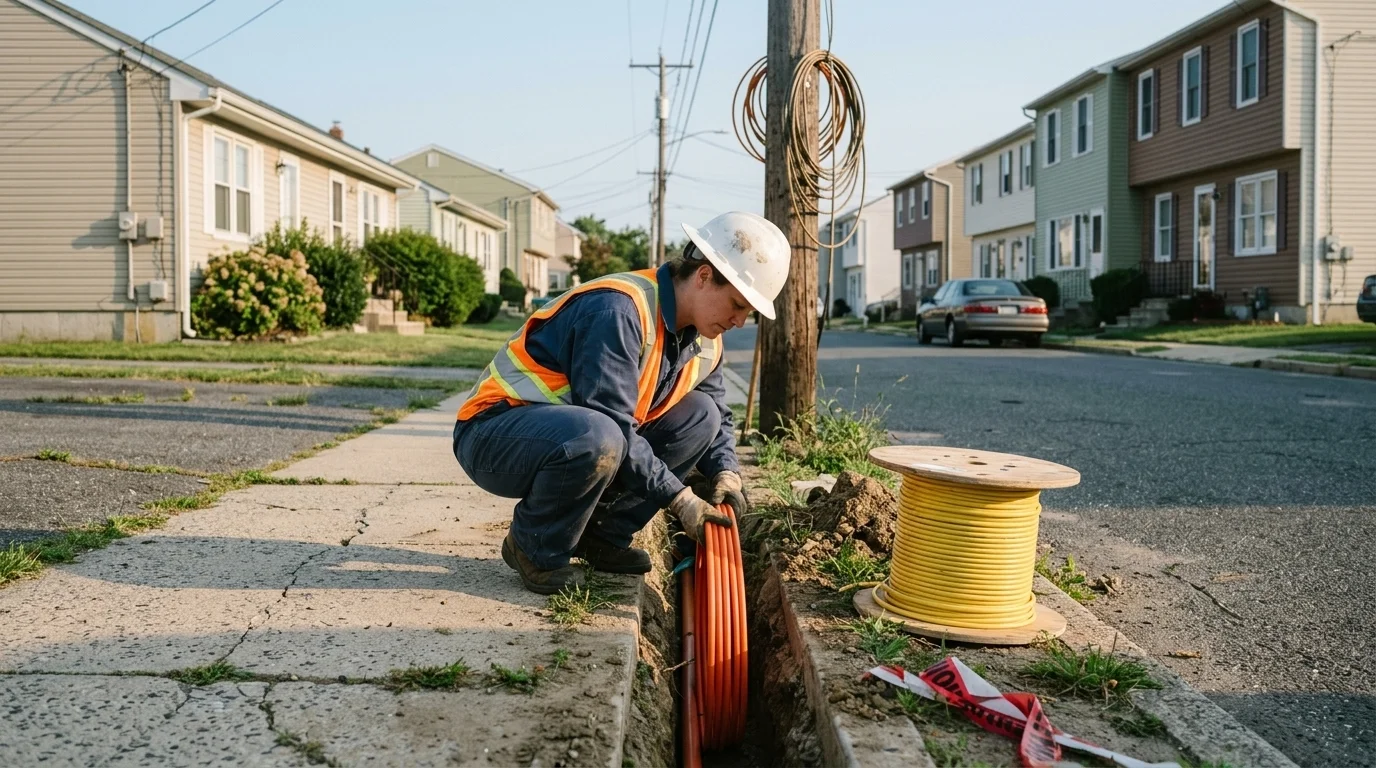
The grant from the EPA to the Indiana Finance Authority flows through the Drinking Water State Revolving Fund, a federal-state partnership that turns one-time federal capitalization grants into revolving pools of low-interest loans for local water utilities. Cities, towns, and small water systems across Indiana can apply for that financing to identify, plan, and replace lead service lines connecting water mains to homes.
The need is substantial. Indiana's housing stock is old: roughly 60% of homes were built before 1980, and in older industrial cities like Gary, East Chicago, South Bend, Fort Wayne, and Indianapolis, lead service lines are concentrated in aging distribution systems. Gary and East Chicago, both majority-minority communities in the northwest corner of the state, face some of the worst lead infrastructure challenges alongside longstanding industrial contamination. East Chicago gained national attention in 2016 when a former smelting site contaminated an entire housing complex with lead and arsenic.
Lead pipes were standard in American construction from the mid-1800s until Congress banned them in 1986, but millions remained in the ground. The 2014-2015 Flint, Michigan crisis, in which improper corrosion control leached lead into tap water and poisoned thousands of children, forced the issue into the national spotlight. There is no safe blood lead level in children: exposure causes irreversible neurological damage and developmental delays.
The Biden administration responded with the Bipartisan Infrastructure Law, signed in 2021, which dedicated $15 billion specifically for lead service line replacement nationally. In October 2024, the EPA finalized new rules requiring water systems to replace all lead service lines within 10 years. Indiana's share of the federal funding has grown over time: the Indiana Finance Authority announced roughly $57 million in lead service line funding available through the program in 2023. This latest $2.1 million adds to that total.
But the numbers still don't come close to matching the problem. The EPA estimates 9.2 million lead service lines remain in use nationally. Indiana alone has approximately 800 community water systems, many small and rural with limited capacity to even inventory their pipes, let alone replace them. Meeting the 10-year mandate is expected to cost the state billions, a figure that dwarfs what federal grants can cover. Indiana's relatively low water rates mean most utilities have little room to self-fund replacements.
The funding picture for water systems struggling with contamination isn't unique to lead. Similar federal investments have helped communities tackle other drinking water threats, as in Newberry, South Carolina, which recently received help removing PFAS "forever chemicals" from its water supply.
For Indiana, the immediate next step is getting those dollars into the hands of water systems that need them most. How quickly utilities can move from pipe inventories to actual replacement work will determine whether the state has any realistic path to meeting the 2034 federal deadline.