Newberry, South Carolina, a small city of about 10,000 in the Piedmont region, is moving to strip so-called forever chemicals from its drinking water supply, backed by a share of a nearly $9.5 million federal grant that South Carolina received to address PFAS contamination statewide.
PFAS, short for per- and polyfluoroalkyl substances, are synthetic chemicals used for decades in products like nonstick cookware, waterproof clothing, and military firefighting foam. They don't break down in the environment or the human body, and they've turned up in drinking water supplies across the country. In April 2024, the EPA finalized the first-ever federal limits on six PFAS compounds in drinking water, setting the bar as low as 4 parts per trillion for two of the most common types. Public water systems have until 2029 to comply, a deadline that is forcing utilities large and small to plan expensive treatment upgrades.
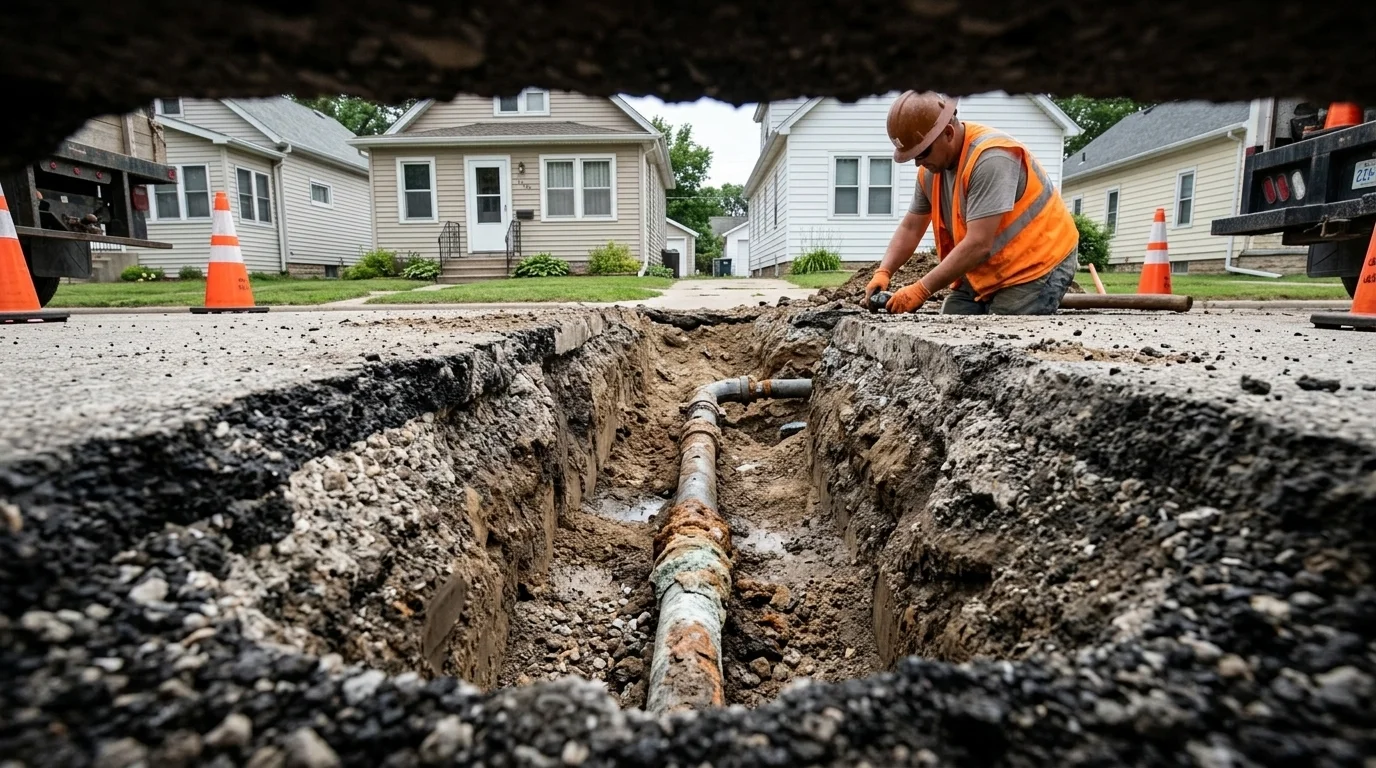
For a city like Newberry, which draws from the Bush River and Lake Murray watershed and operates its own treatment plant, meeting those standards without outside help could be a serious financial burden. The federal funding will support an engineering study of the Newberry plant, including a technology evaluation, pilot testing, and preliminary design work toward a full PFAS removal system.
The money flows through the EPA's Drinking Water State Revolving Fund, a long-running program that states use to finance water infrastructure. What makes this round different is that Congress directed the 2021 Bipartisan Infrastructure Law to provide the PFAS-related portion as grants rather than loans, meaning communities like Newberry won't have to pay it back. Nationally, the infrastructure law set aside $4 billion specifically for emerging contaminants like PFAS over five years.
South Carolina faces particular PFAS challenges. The state hosts eight major military installations, and decades of use of AFFF firefighting foam at bases like Shaw Air Force Base and Marine Corps Air Station Beaufort has left contamination in surrounding areas. The state has not set its own PFAS limits and relies on the federal standards.
Administering the grant is the South Carolina Department of Environmental Services, an agency created just over a year ago when the state legislature split the former Department of Health and Environmental Control into separate environmental and public health agencies.
Newberry's engineering work is the identified project so far, but most of the $9.5 million is reserved for additional subawards to water systems across the state. How that money gets distributed, and which communities benefit next, will depend on where PFAS levels are highest and which utilities are furthest behind on the path to compliance before the 2029 federal deadline.