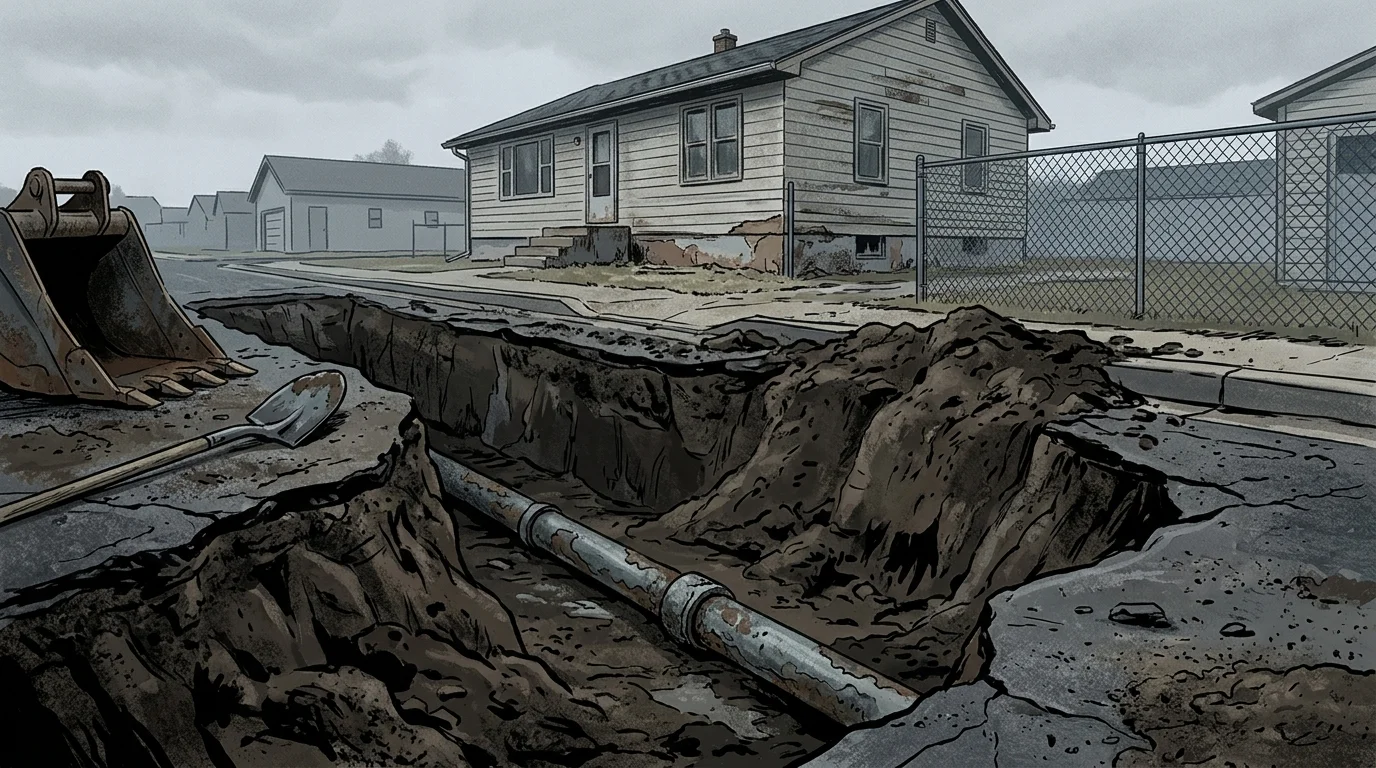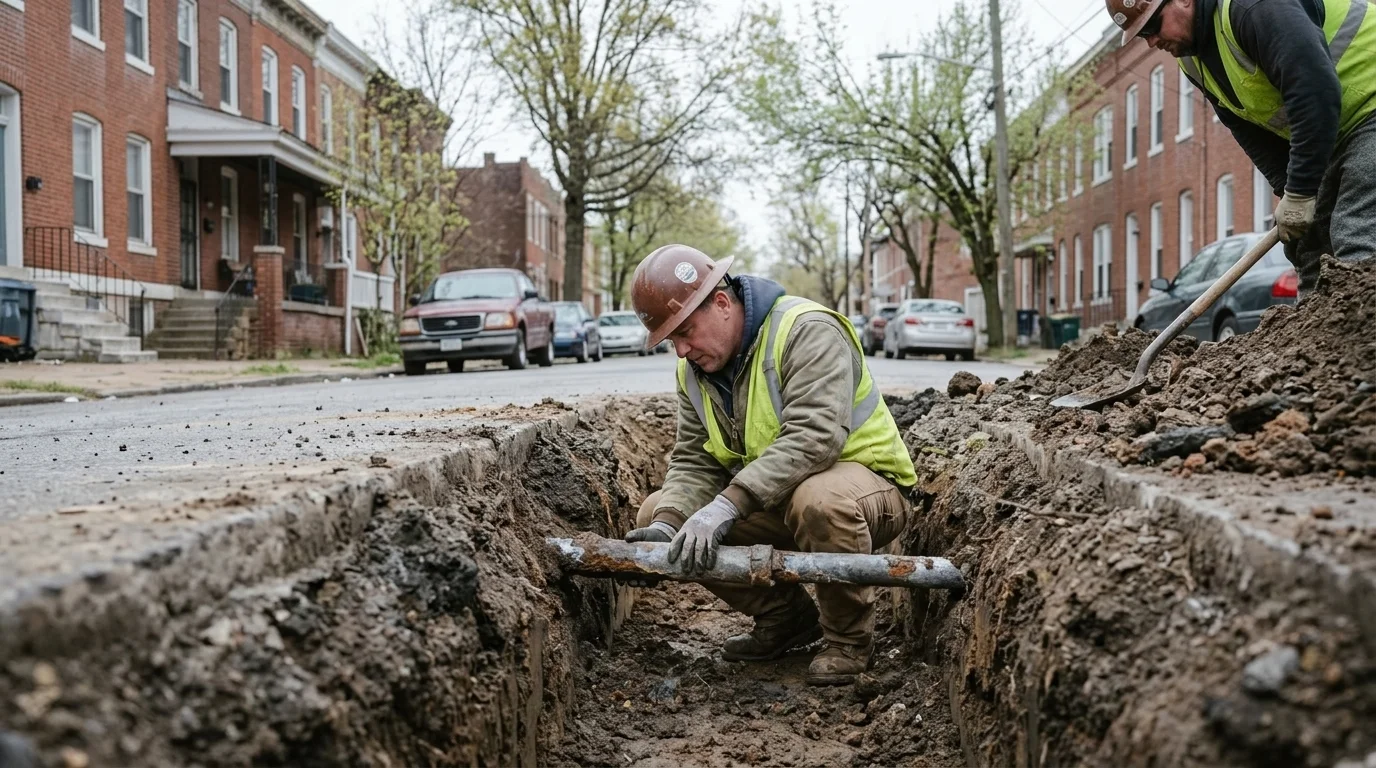
Offerman, a small town in Pierce County, Georgia, is moving to replace the gas mains and service lines running through its Belair subdivision, addressing infrastructure that may be decades old and increasingly costly to maintain safely.
The town, which operates its own municipal gas distribution system, is seeking contractors for the work through Georgia's state procurement system. The scope and cost of the project have not been publicly disclosed, but for a municipality likely serving just a few hundred customers, even a single subdivision's worth of pipe replacement represents a major capital commitment.
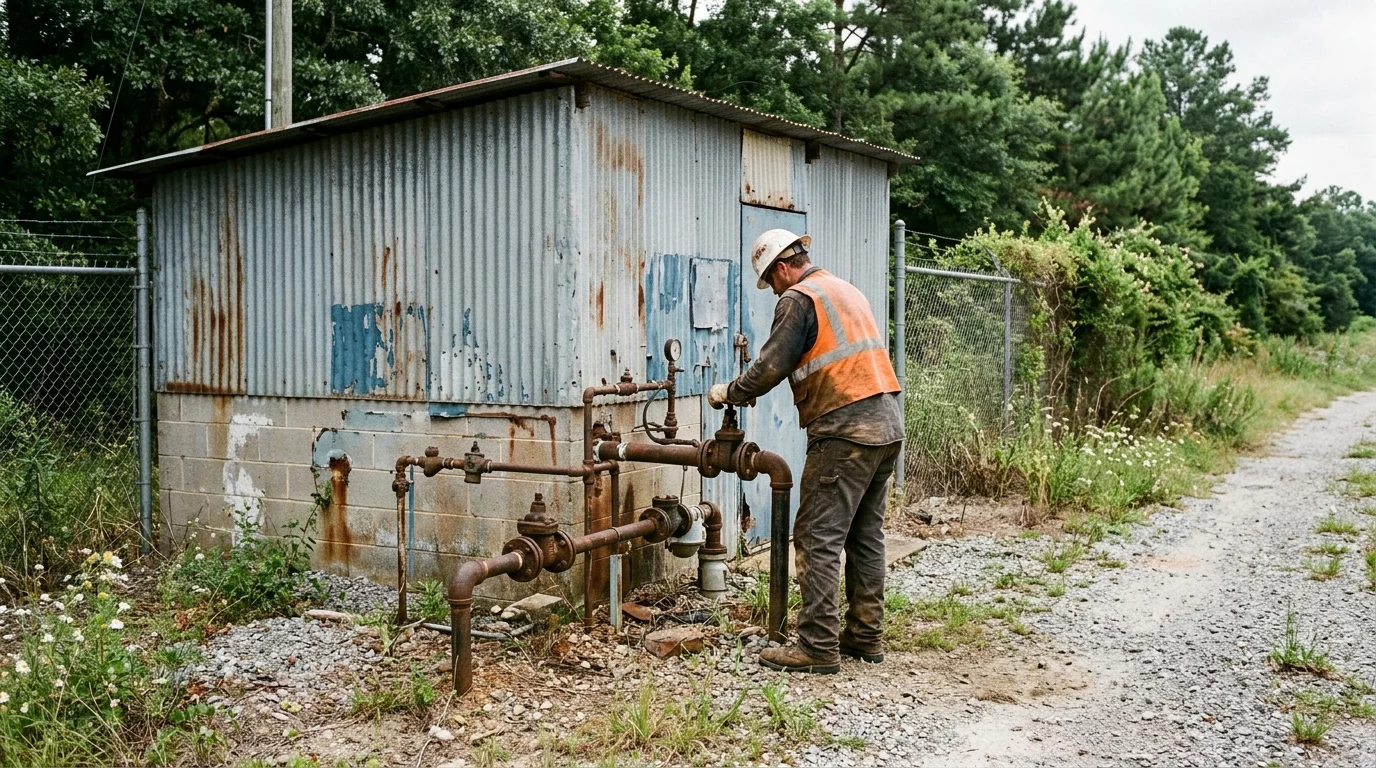
Offerman's situation mirrors that of hundreds of small-town gas utilities across the country. Much of the country's residential gas distribution infrastructure was built during the post-World War II suburban housing boom of the 1950s through 1970s, using materials like cast iron, bare steel, and early plastics that are now reaching or exceeding their designed service lives. Corrosion, joint failures, and material degradation don't respect municipal budget cycles.
The stakes of neglecting that infrastructure became painfully clear in 2018, when over-pressurization of aging gas lines in the Merrimack Valley in Massachusetts triggered explosions and fires across three communities, killing one person, injuring dozens, and forcing thousands from their homes. Since then, federal regulators at the Pipeline and Hazardous Materials Safety Administration have pressed utilities large and small to accelerate replacement of leak-prone pipes. The 2021 Bipartisan Infrastructure Law set aside roughly $1 billion specifically to help smaller municipal gas systems cover those costs.
Georgia's largest gas utility, Atlanta Gas Light, has been running its own multi-year, multi-billion-dollar replacement program under a Georgia Public Service Commission-approved initiative. But Offerman doesn't have Atlanta Gas Light's scale. Small municipal systems like Offerman's collect limited rate revenue from a small customer base while facing the same regulatory obligations as far larger operators.
It's not publicly known whether specific leaks or safety concerns prompted this project, or whether the town is acting proactively based on the age of the pipes. Whether Offerman is drawing on federal grant funding, loans through programs like USDA Rural Development or the Georgia Environmental Finance Authority, or some other financing mechanism also isn't clear from the procurement record. Those details will likely emerge as the project moves toward contractor selection and construction.