While Honolulu's $12 billion rail project dominates Hawaii transit headlines, the state's neighbor island bus systems are tackling years of deferred investment with nearly $7 million in newly awarded federal infrastructure money.
The FTA Section 5339 grant, totaling $6.93 million in federal funds, flows through the Hawaii State Department of Transportation to three county transit agencies across Kauai, Maui, and Hawaii County (the Big Island). Combined with local matching funds from county General Excise Tax revenues, the total investment reaches $8.66 million.
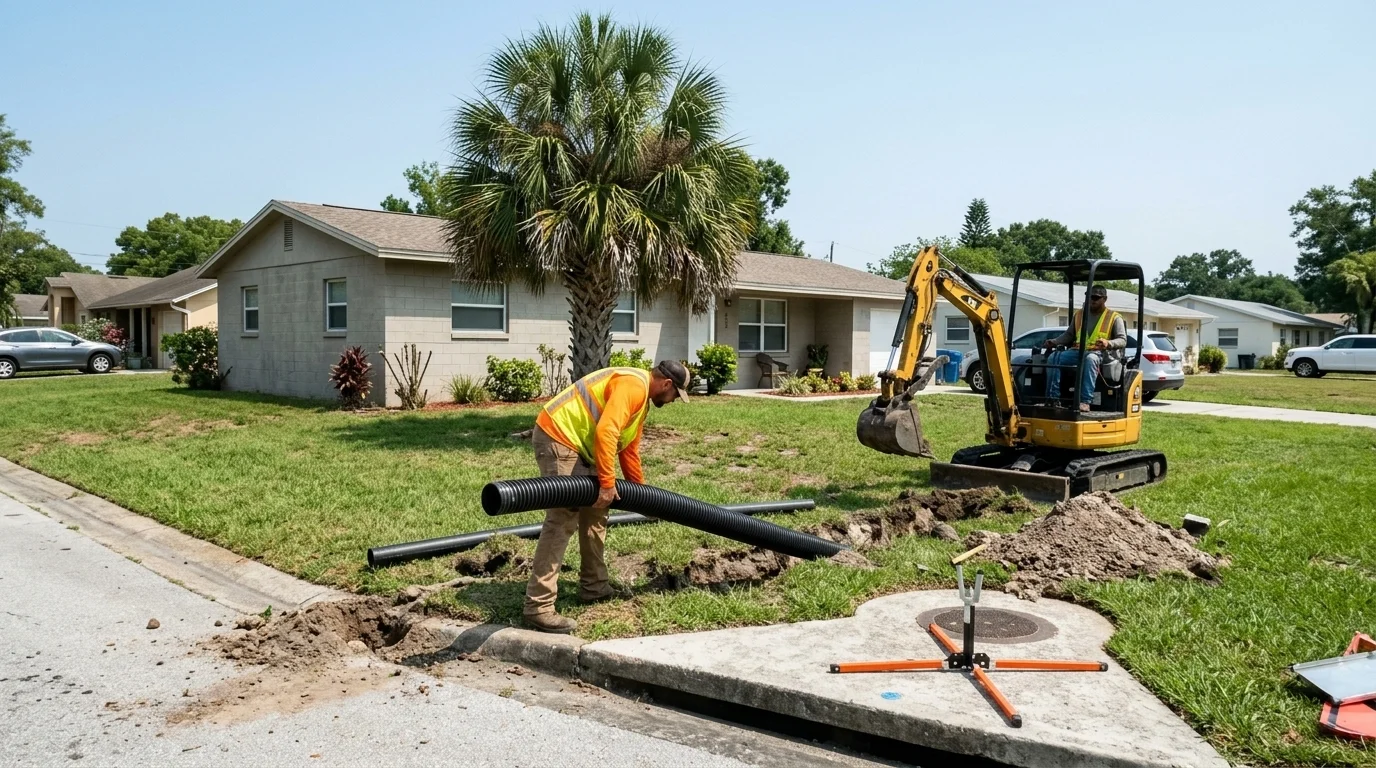
The biggest single piece goes to Kauai, where the County of Kauai Transit Agency has been running its fleet out of a maintenance yard in Lihue that was built for a smaller operation. The base yard expansion, which carries an $8.06 million price tag, will enlarge the maintenance building, add bus parking, and modify a water basin to meet environmental requirements. It's a project that has appeared in Kauai County Council budget discussions for years and represents the kind of foundational infrastructure that keeps buses running on an island of roughly 73,000 residents where driving alternatives are few and gas regularly tops $5 a gallon.
On Maui, the Department of Transportation is using its share to expand its fleet with both full-size buses and microtransit vans, along with workforce development for drivers and mechanics. Hawaii transit agencies, like those nationwide, face persistent staffing shortages, and the problem is sharper on islands where the high cost of living strains hiring. The fleet expansion comes as Maui's transit system continues adapting to the aftermath of the August 2023 Lahaina wildfire, which destroyed housing and fundamentally changed where workers live and how they commute.
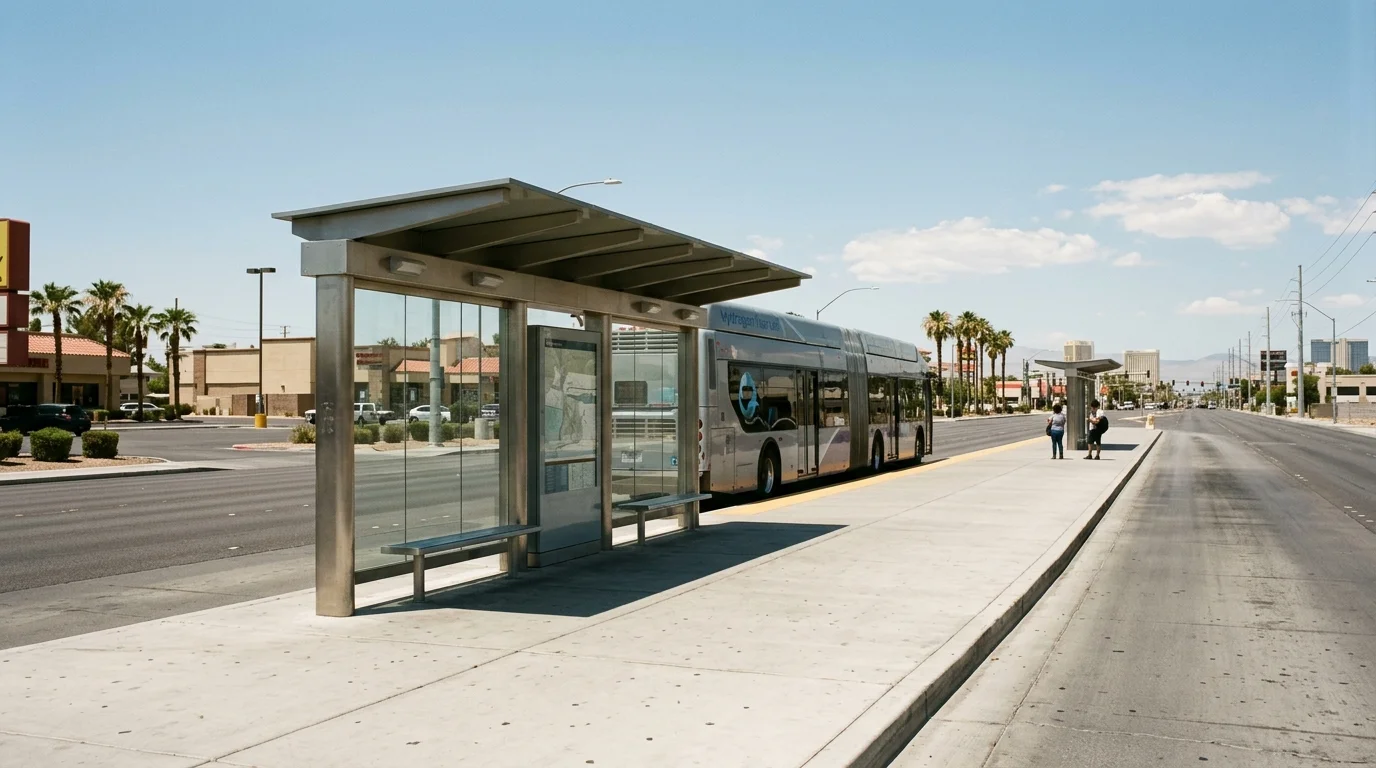
The Hawaii Mass Transit Agency on the Big Island is focusing its portion on building ADA-compliant bus shelters and stops, addressing a long-standing gap that disability advocates have raised repeatedly. Hawaii County is larger than all other Hawaiian islands combined, and hundreds of miles of bus routes have stops lacking basic accessibility features: paved pads, shelter from rain, wheelchair ramps. Federal and state transit regulators have increased scrutiny of ADA compliance in recent years, and the upgrade reduces both legal exposure and the practical barriers facing elderly and disabled riders.
Neighbor island transit serves communities heavily dependent on public buses: low-income service workers commuting to resorts, elderly residents without cars, and people with disabilities in places where a missed bus can mean a missed shift. Similar federal investments have helped rural transit systems elsewhere, including five rural Washington counties and [rural Maryland agencies](articles/rural-maryland-transit-systems-getting-7-new-buses-with-federal-grant) that face comparable geographic isolation.
Construction on the Lihue Base Yard is the most complex piece still ahead. Building anything in Hawaii runs 30 to 50 percent more than comparable mainland projects, a factor already built into the budget. How quickly the project moves through permitting and construction will determine when Kauai's transit operation has the physical infrastructure to keep pace with its ridership.