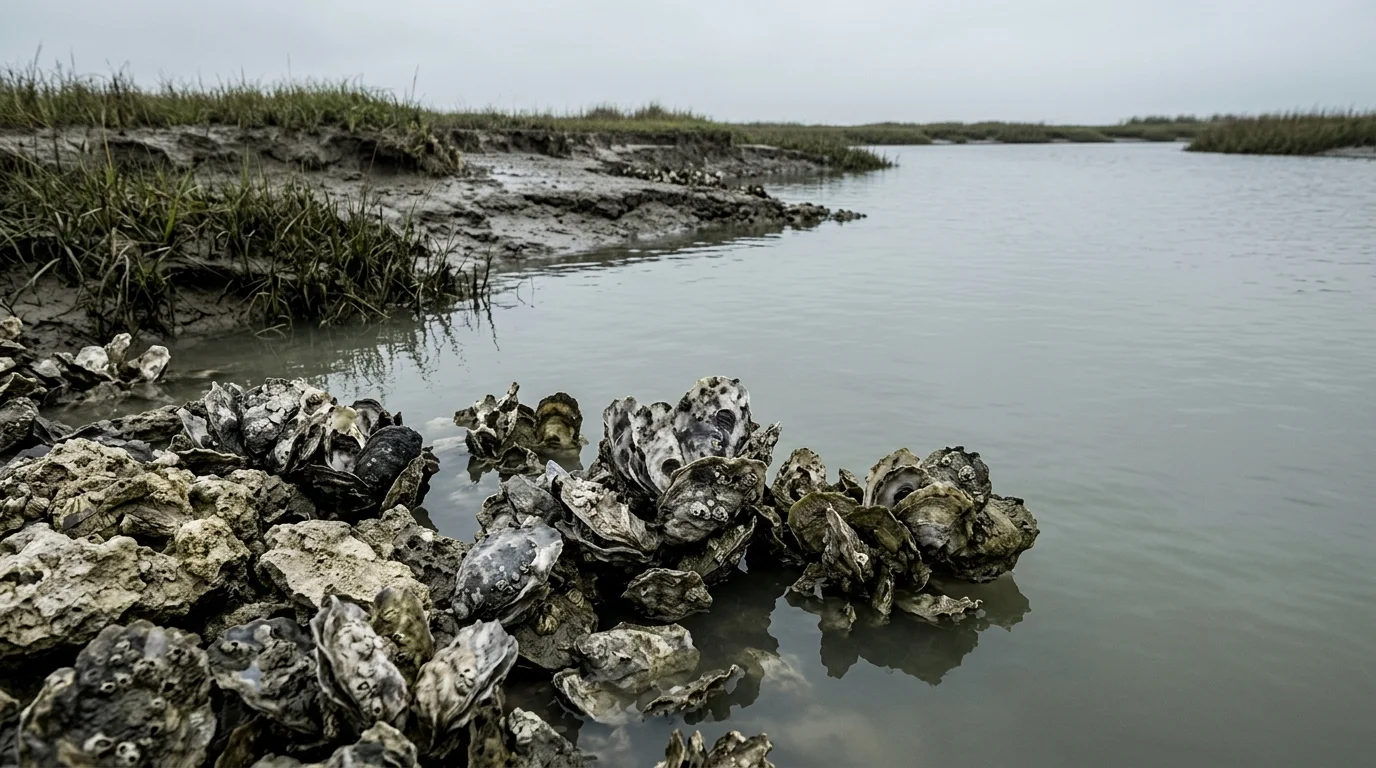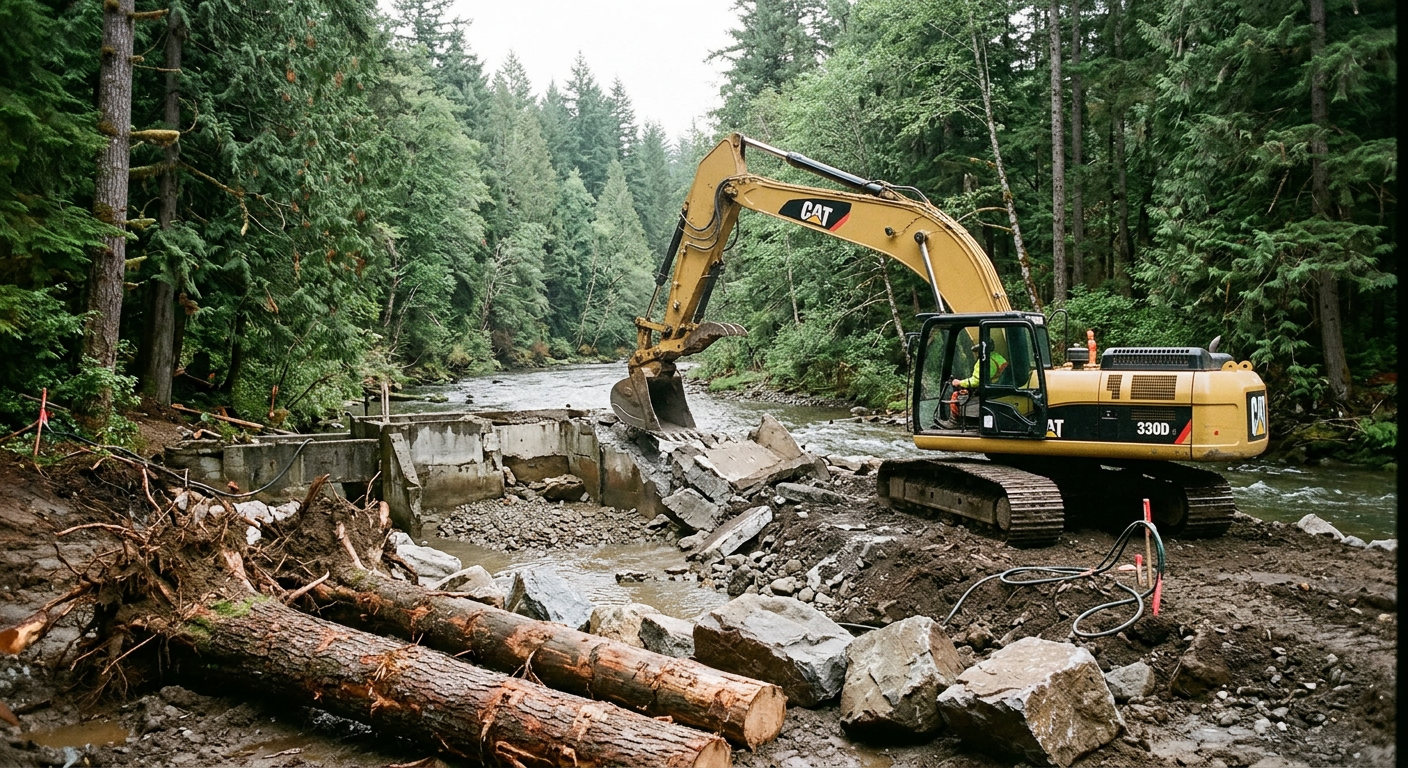
The Cowlitz Tribe is dismantling part of its own hatchery on West Fork Grays River in southwest Washington, removing an intake structure that has blocked wild salmon from reaching upstream spawning grounds for decades.
The project, now seeking construction contractors, will pull out the intake pipe and concrete channel, then restore the natural stream bed using whole trees with rootwads and large logs. These materials create the complex habitat wild salmon need to spawn and rear—pools, undercut banks, and gravel deposits that hatchery infrastructure destroyed.
West Fork Grays River feeds into the lower Columbia, where coho and chum salmon populations remain severely depleted despite decades of recovery efforts. The Grays River system is one of the few remaining lower Columbia tributaries with significant wild salmon runs, making habitat restoration here a priority for federal recovery plans.
The Cowlitz Tribe operates the hatchery but has shifted toward managing it without harming wild fish, reflecting a broader change in Northwest salmon policy. For years, hatcheries were seen as the solution to habitat loss caused by dams and development. By the 2000s, scientists recognized hatchery infrastructure itself often worsened conditions for wild populations by blocking migration routes and simplifying stream channels.
The Cowlitz Tribe, federally recognized in 2000 after a 150-year battle, has become a major force in Columbia basin salmon restoration. Tribes throughout the Northwest now lead habitat projects that state and federal agencies have been slower to pursue, backed by treaty rights affirmed in the 1970s and federal funding programs that have grown under recent administrations.
Construction is expected to begin once a contractor is selected, with the tribe managing the project on its traditional territory in Wahkiakum County.