Bay Area Rapid Transit is moving to replace its aging leased headquarters in Oakland with a building it would own outright, a shift the agency hopes will cut long-term costs as it races toward a financial reckoning that could hit as soon as 2026.
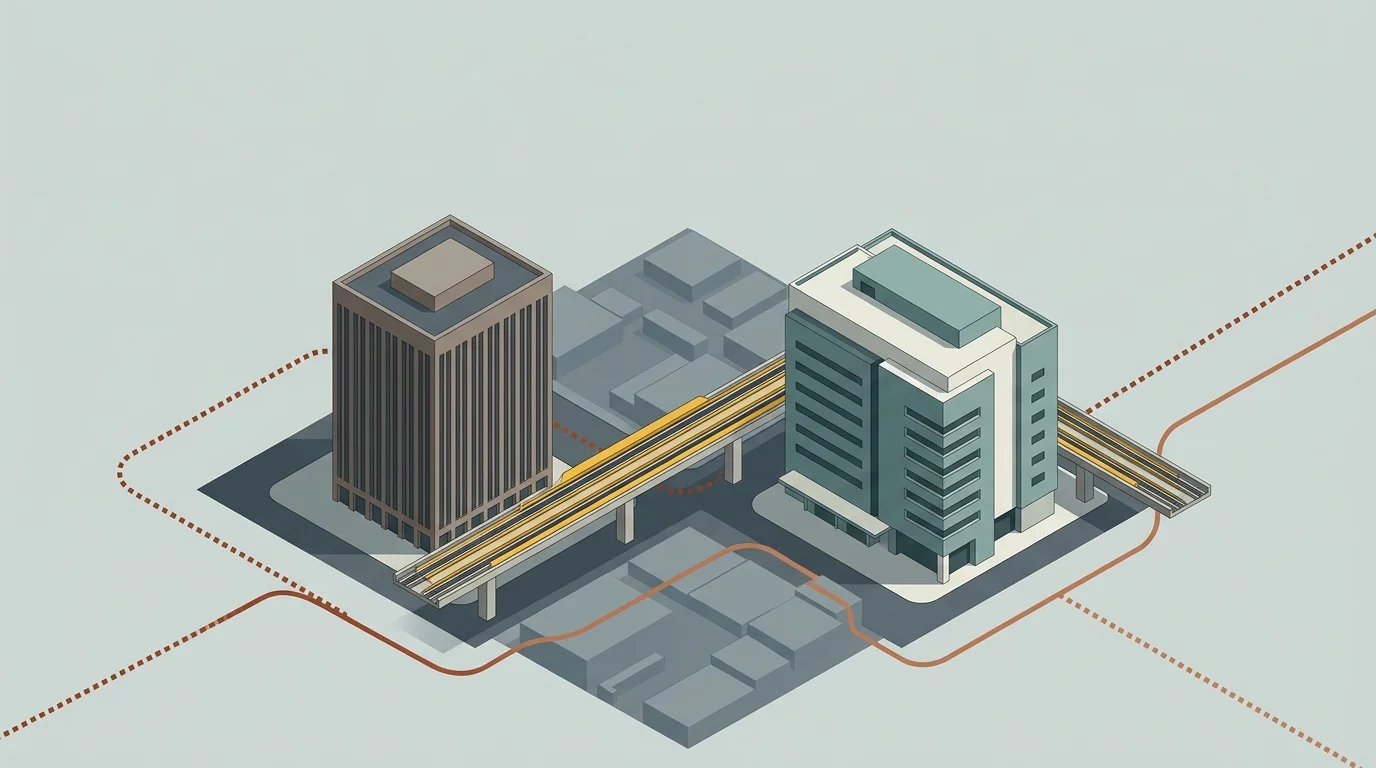
BART has solicited design-build proposals for a new headquarters facility to replace its current space at the Kaiser Center complex at 300 Lakeside Drive, where the agency has rented offices since the 1970s. Budget and site details have not been publicly disclosed yet.
The timing looks awkward from the outside. BART is staring down what its own leadership calls a "fiscal cliff": the roughly $1.7 billion in federal pandemic relief funds that kept the agency afloat after COVID collapsed ridership are expected to run out around fiscal year 2026 or 2027. Weekday trips, which once averaged around 405,000 before the pandemic, have recovered to only about 40 to 45 percent of that level. Because BART historically relied on fare revenue for a far larger share of its operating budget than most U.S. transit systems, that ridership gap has left a wound that emergency federal dollars have been patching.
But the headquarters project draws on a separate pool of money. BART's capital funds, sourced from bond measures like the $3.5 billion Measure RR voters approved in 2016 and from federal grants, are legally walled off from the operating budget. Lease payments, by contrast, come directly out of operations. The logic the agency is pursuing: spend capital dollars now to eliminate an operating expense that will otherwise keep draining a budget with no slack.
San Francisco's commercial real estate market, where office vacancy rates have surged past 30 percent since the pandemic, may also give BART unusual leverage to acquire or develop property at costs that would have been unthinkable five years ago.
The project could also carry a housing dimension. California law, including AB 2923, pushes transit agencies to develop housing on land they control. BART has already pursued joint development projects at stations like MacArthur and Lake Merritt, and any new headquarters site could potentially include residential units, generating revenue that further offsets costs.
Still, the project will face scrutiny. BART's capital program has drawn criticism over cost overruns on projects like the delayed Silicon Valley extension to downtown San Jose, and a new headquarters construction effort will give skeptics a ready target. Board members and riders are also likely to press the agency on how much space it actually needs, given that a significant share of its administrative workforce has shifted to hybrid or remote arrangements since 2020.
The agency has not announced a timeline for selecting a design-build team or breaking ground.