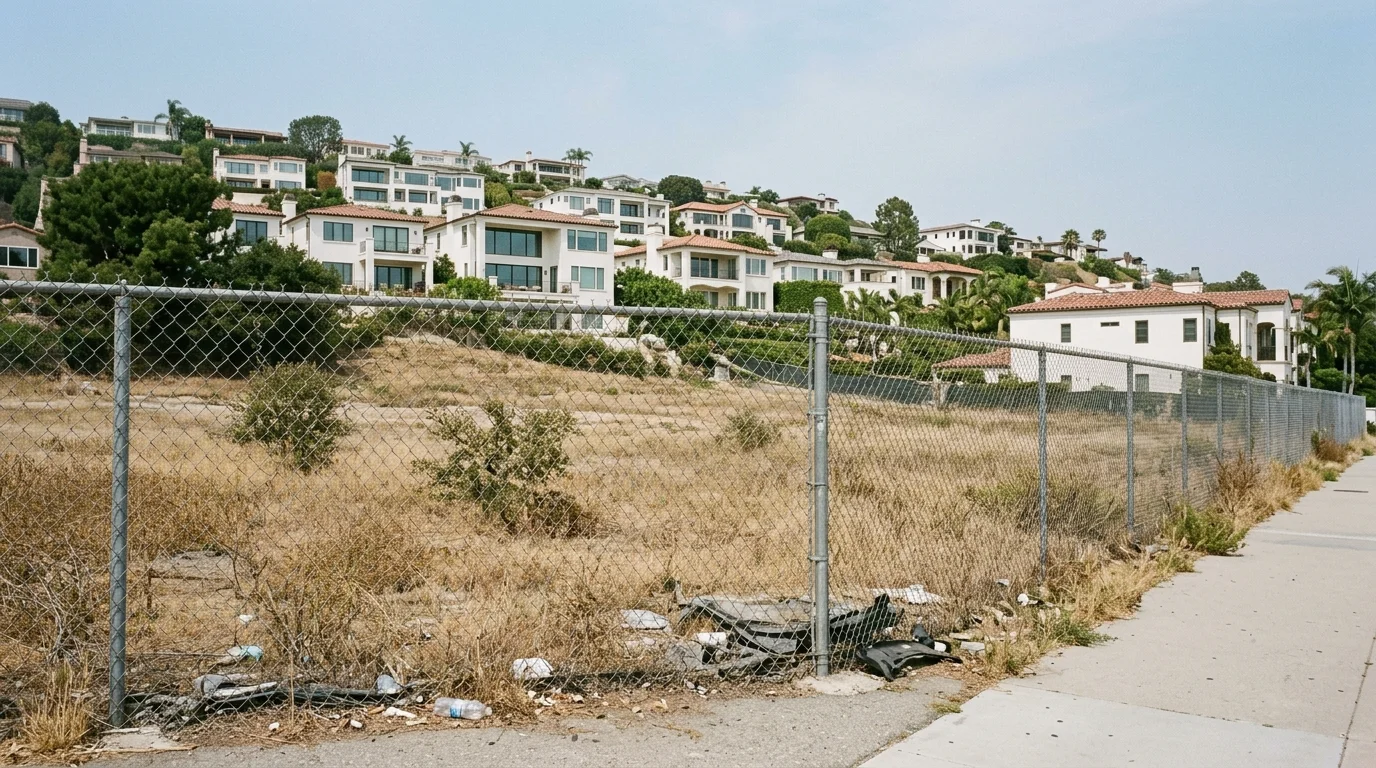
Sausalito, California is opening two city-owned properties to affordable housing development, a move that would add 81 homes for low- and very low-income residents to one of the Bay Area's most expensive and least affordable communities.
The city is seeking developers for a pair of sites: Martin Luther King Jr. Park on Ebbtide Avenue, near the boundary with Marin City, and a Nevada Street maintenance yard known as the Corporation Yard. The city wants all units to serve very low- or low-income households, and developers must submit plans for both sites together. The project is listed on the city's procurement portal.
The push stems from California's Regional Housing Needs Allocation process, which assigned Sausalito 724 new units to plan for between 2023 and 2031, a transformative number for a city of roughly 7,100 residents and about 4,000 existing homes. The Bay Area's total allocation nearly quadrupled this cycle compared to the previous one. Sausalito's early Housing Element drafts were rejected by the state, which put the city at risk of losing local zoning control through what's known as the "builder's remedy," a tool that lets developers bypass local rules in non-compliant cities. The ultimately certified Housing Element included a specific commitment, Program 8, to issue this solicitation.
The MLK Park site carries particular weight. The Marinship area nearby was settled by Black defense workers during World War II, and postwar redlining and exclusionary zoning kept Sausalito itself overwhelmingly white and wealthy for generations. Adjacent Marin City, one of the few racially diverse communities in Marin County, has significantly lower incomes than Sausalito's median household income of more than $130,000. Developing affordable housing near that boundary is symbolically and practically significant.
Using city-owned land removes one of the biggest financial obstacles to affordable housing in a market where land alone can cost millions. Developers would likely finance construction through California's Low-Income Housing Tax Credit program, state multifamily housing funds, and Marin County housing trust resources.
Proposals are due June 1, 2026.