Multnomah County, Oregon is looking for a community partner to deliver health programming directly to Black families in East County, a region where decades of Portland gentrification concentrated a displaced population that now faces some of the worst health outcomes in the state.
The county's Chronic Disease Prevention and Health Promotion division is seeking an organization already embedded in that community to run a farmers market, anchor a Juneteenth celebration, and weave chronic disease and violence prevention into both. The approach sidesteps clinics and government offices in favor of events where trust already exists.
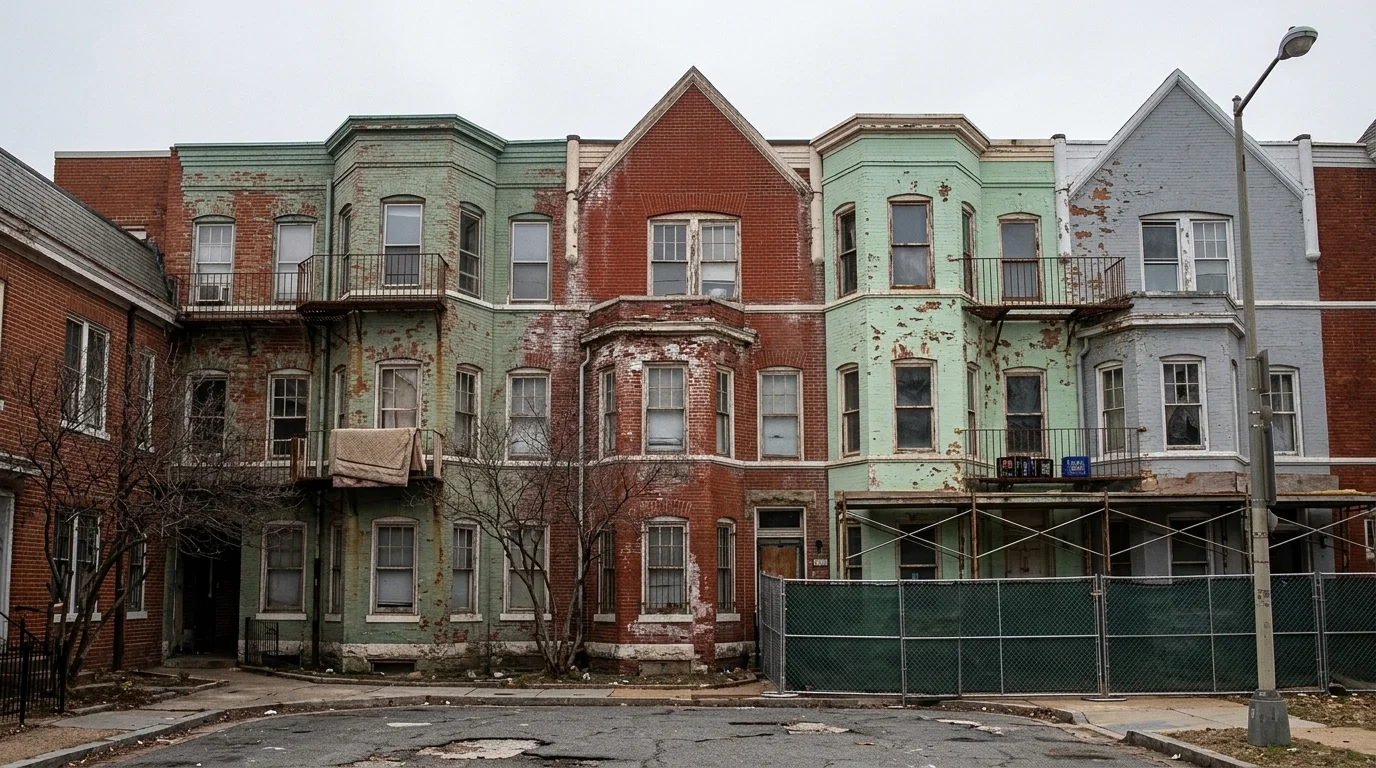
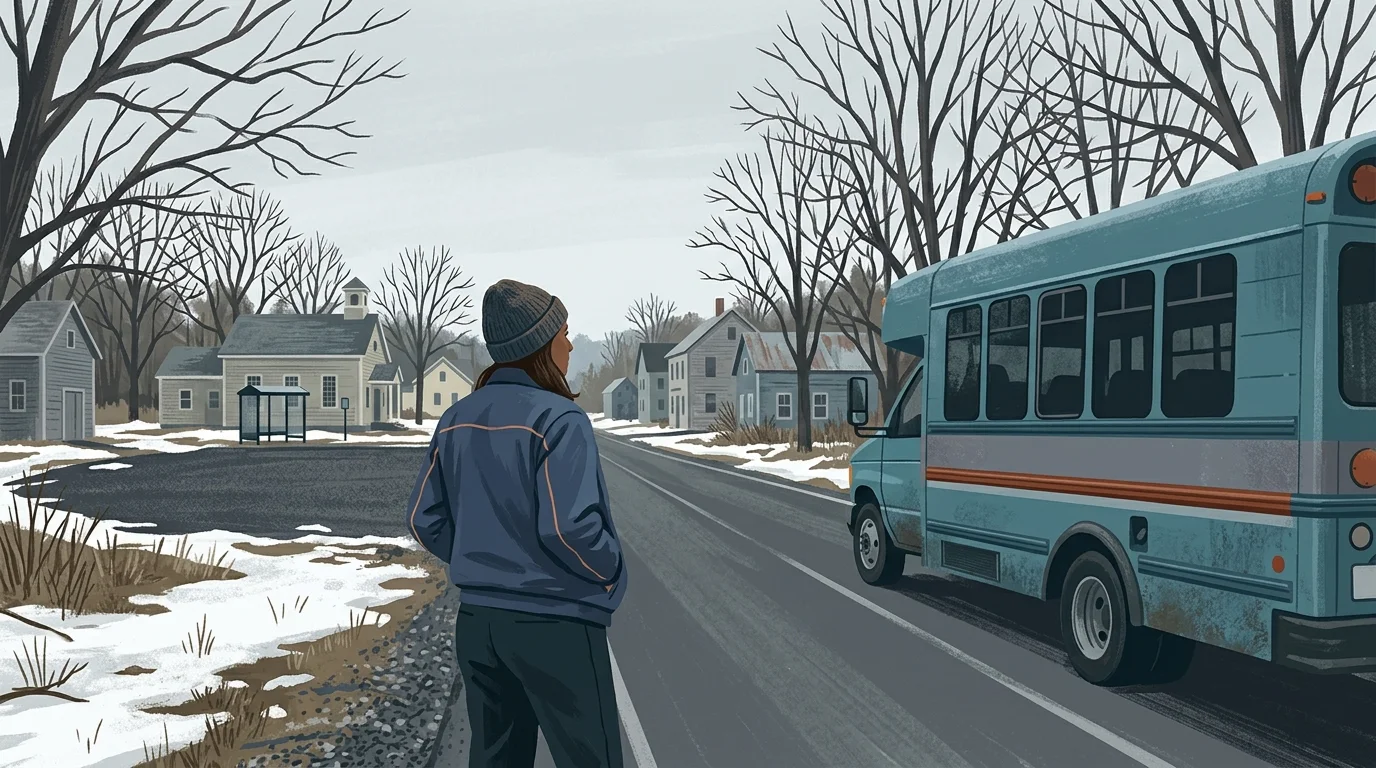
The need is rooted in geography and history. Portland's Black community was once centered in the Albina neighborhood of inner North and Northeast Portland, but urban renewal projects, freeway construction, and accelerating gentrification displaced thousands of Black families eastward across several decades. East Portland and unincorporated East County absorbed that population but not the services: the area is transit-poor, has fewer grocery stores, and receives less county investment per capita than inner Portland. Black Oregonians already face disproportionately high rates of diabetes, hypertension, and heart disease, and the food access gaps in East County compound those risks.
The explicit pairing of chronic disease prevention with violence prevention reflects a shift in how public health agencies have come to understand community violence, particularly after gun violence in Portland spiked sharply in 2020 through 2022 and disproportionately affected Black youth. Poverty, disinvestment, and trauma drive both problems, and treating them together has become a more common framework at the county and federal level.
By anchoring services in a farmers market and a Juneteenth celebration rather than a health department building, the county is also signaling what kind of partner it wants: a Black-led organization that is already a trusted institution in East County, not a contractor building something from scratch.
Multnomah County declared racism a public health crisis in 2020 and has made equity a stated priority since, though critics have questioned whether funding has matched the rhetoric. This procurement puts real dollars behind that framework in a specific, targeted way. The county has faced budget pressure in recent years from rising behavioral health and homelessness costs, making the allocation notable.
The county posted the solicitation on April 23, 2026. When a partner is selected, the work will begin in a community that has waited a long time for services to follow the people who were pushed there.