Commerce City, Colorado has grown from roughly 20,000 residents in 2000 to more than 60,000 today, and the underground plumbing hasn't kept up. Now the agency overseeing infrastructure near the Rocky Mountain Arsenal is moving to extend the area's main sewer trunk line northward, a project that will determine whether thousands of already-approved homes can actually get built.
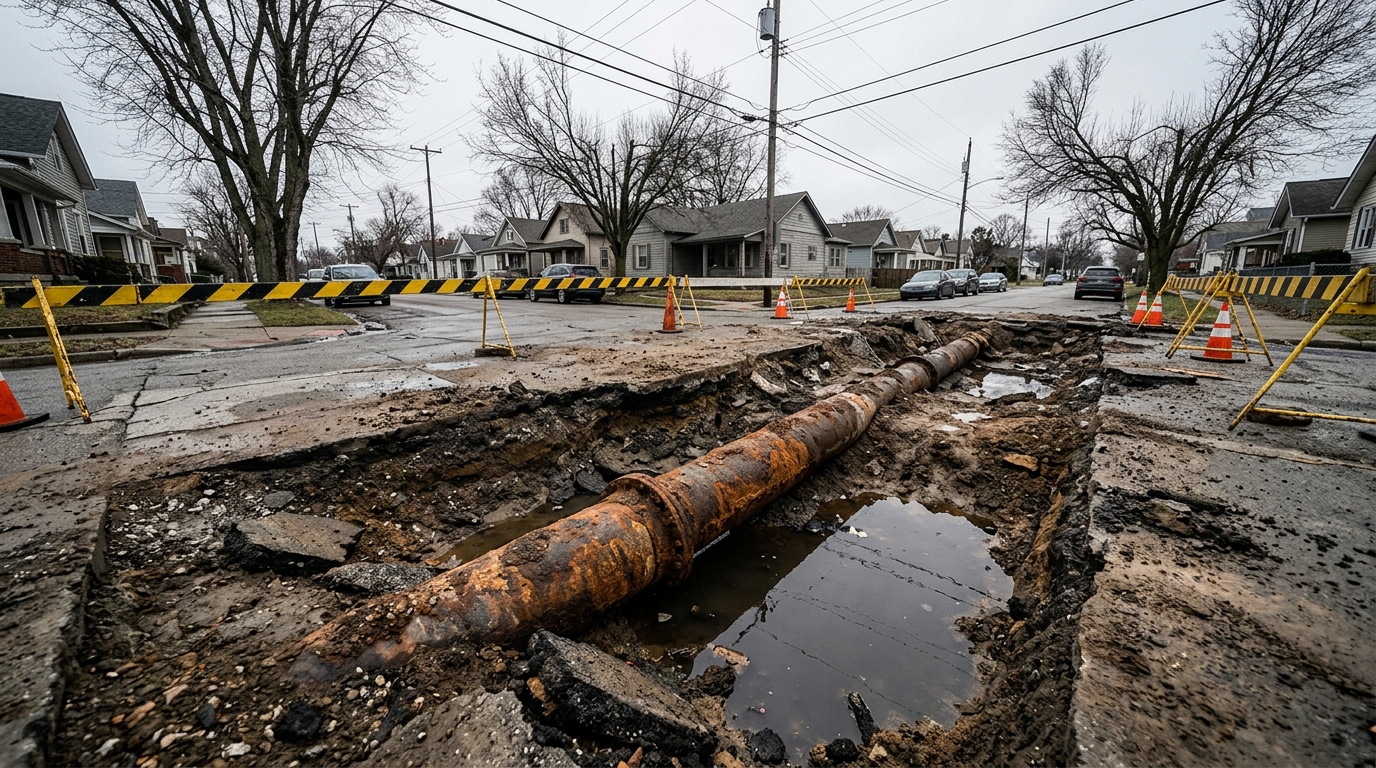
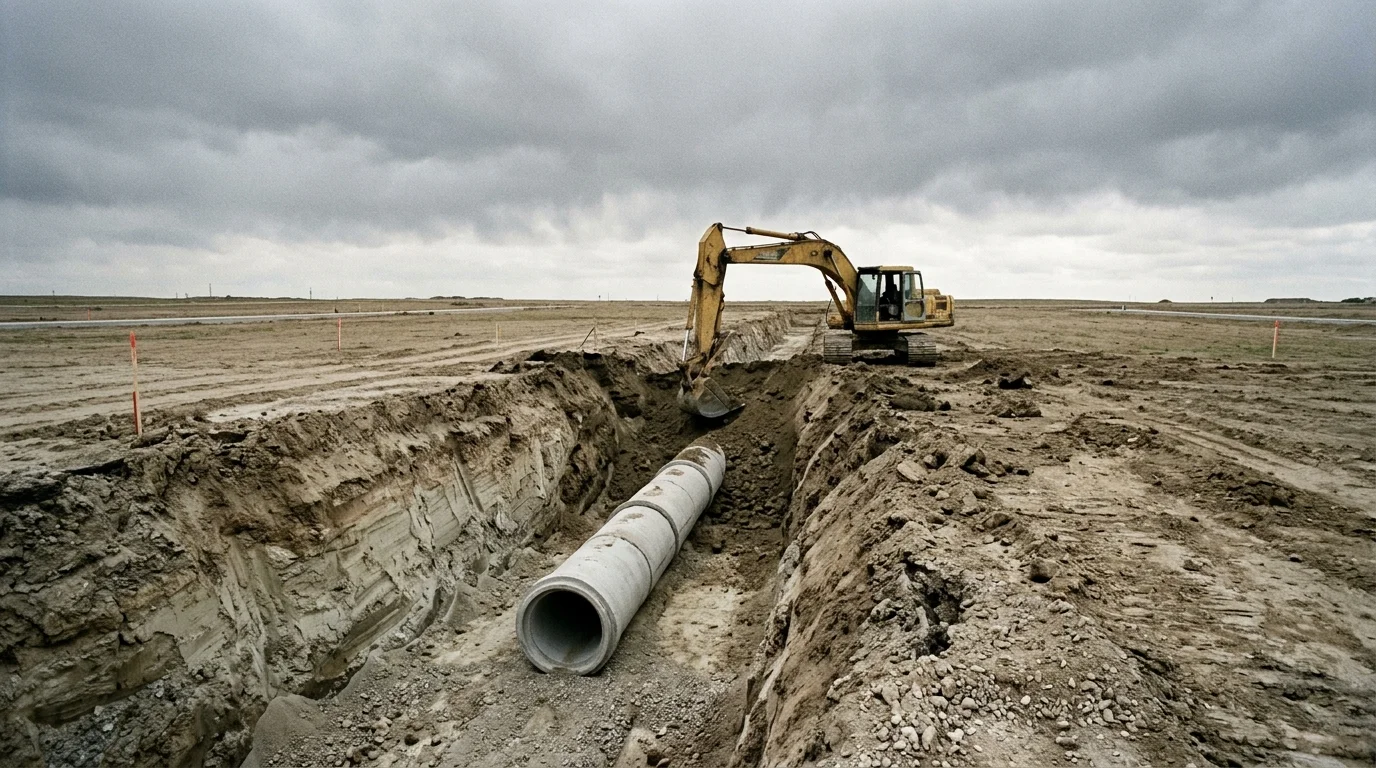
Sewer interceptors are the backbone of any growing community: large-diameter lines that carry wastewater from neighborhoods to regional treatment plants. Without enough capacity in these trunk lines, developers can't pull permits, and subdivisions sit platted on paper but unbuilt on the ground. The East Sewer Interceptor North Extension, now out for contractor bids, is designed to relieve that constraint along one of Adams County's most active development corridors.
The timing reflects a familiar cycle in Colorado's Front Range growth areas. Residential subdivisions that received entitlements three to five years ago are now reaching the phase where builders need to connect homes to sewer systems. The Denver metro added roughly 500,000 people between 2010 and 2023, with Adams County absorbing a disproportionate share, particularly in the Reunion and Green Valley Ranch corridors north of the Arsenal.
The backdrop matters here. The Rocky Mountain Arsenal was one of the most contaminated sites in U.S. history, a former Army chemical weapons plant and Shell Chemical pesticide facility that spent decades as a Superfund site before a multi-billion-dollar cleanup transformed it into a National Wildlife Refuge. The surrounding land, once defined by its industrial and military past, has become some of the metro's hottest real estate. Commerce City, which borders the refuge, has aggressively annexed land and approved development to grow its tax base, but funding trunk infrastructure has been a persistent challenge. In Colorado, metro districts created by developers and repaid through property taxes on future homeowners often fill that gap.
Sewer capacity, alongside water supply, is the binding constraint on how fast this growth can actually happen. A project like this one, bid in mid-summer ahead of Colorado's construction season, is typically aimed at getting underground work done before winter makes deep trenching impractical.
How quickly the project moves through contractor selection and into the ground will signal whether the area's infrastructure can keep pace with the rooftops already on the drawing board.