In California, the state most synonymous with catastrophic wildfire, some rural fire crews are still heading into blazes without reliable protective gear or working radios. A $342,000 federal grant from the USDA Forest Service is now moving to close that gap, funding basic equipment and training that many residents would assume every department already had.
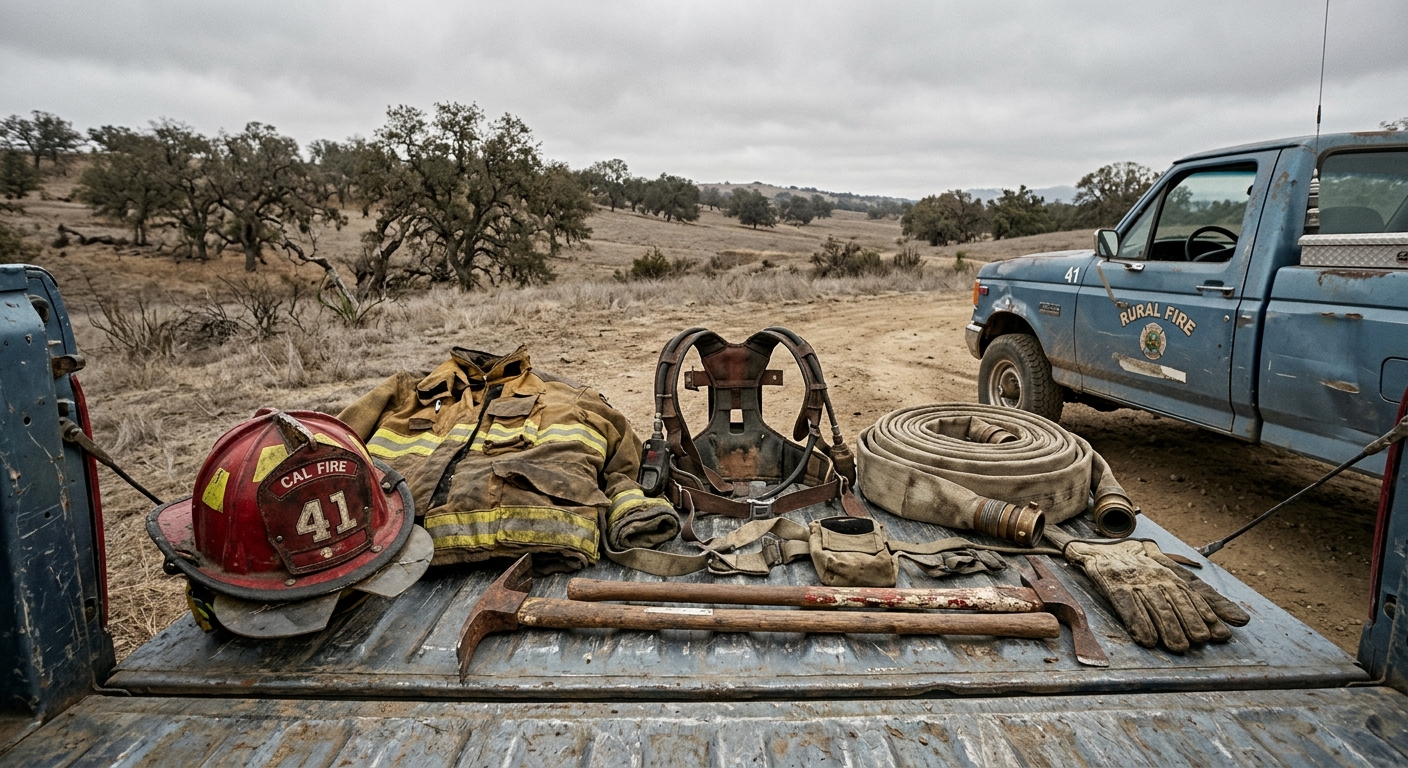
The grant, awarded November 25 through the USDA's State and Private Forestry Cooperative Fire Assistance program, will train at least 20 firefighters in basic fire suppression and safety techniques, purchase 25 sets of personal protective equipment including boots, coats, gloves, and fire shelters, and distribute 15 handheld radios to improve communication during emergency response. Hoses and hand tools are also included to build out operational capacity.
The scope of what's being purchased tells its own story. Fire shelters, the last-resort aluminum foil-like tents that can save a firefighter's life when escape is cut off, are considered minimum standard gear. That they're still being funded through a 2025 grant underscores how stretched thin California's roughly 900 fire departments are, particularly the small rural and volunteer operations protecting communities at the wildland-urban interface.
Those communities are increasingly numerous. California added roughly 1.1 million homes in high-fire-risk zones between 1990 and 2020, pushing development deep into fire-prone landscapes that small departments often cover with limited tax bases and mostly volunteer rosters. At the same time, the state's fire season has extended by roughly 75 days compared to the 1970s, driven by hotter temperatures, prolonged drought, and accumulated fuel loads.
The January 2025 Palisades and Eaton fires in Los Angeles County, which killed at least 29 people and destroyed over 16,000 structures, put fresh national attention on gaps in California's fire preparedness even in comparatively well-resourced areas. For rural departments in Northern California, the Sierra Nevada foothills, and parts of Southern California, those gaps have long been the norm.
At $342,000, this grant is a rounding error against California's multi-billion-dollar annual fire budget. But federal cooperative fire programs like this one have for decades provided a steady, if modest, pipeline of support to the departments that are often first on scene when a fire ignites and most likely to be outgunned when it grows. With California's 2024-2025 state budget carrying a $45 billion deficit, that federal support has only grown more critical.
The USDA has not specified which department or county will receive the funding, leaving open the question of where in California these 20 firefighters will train and which crews will be carrying those 15 new radios into the next fire season.