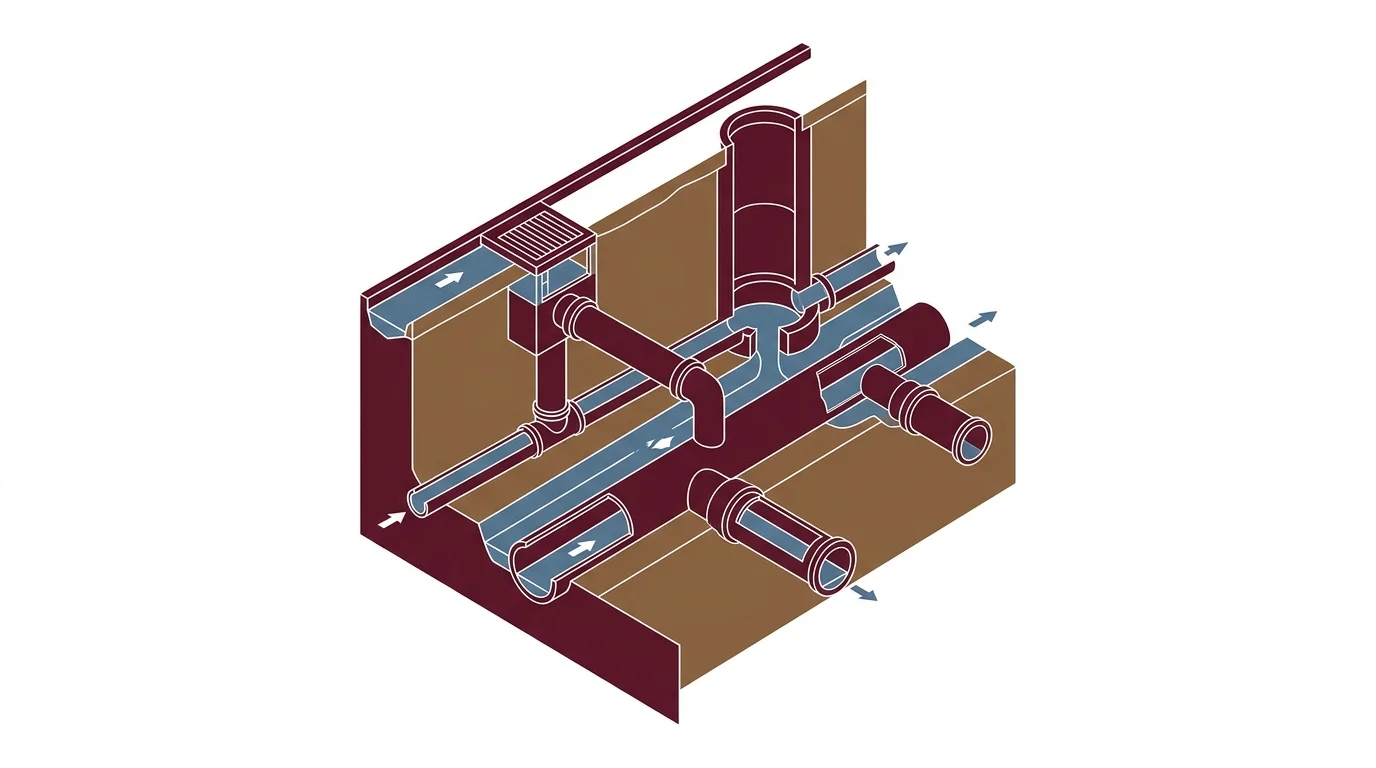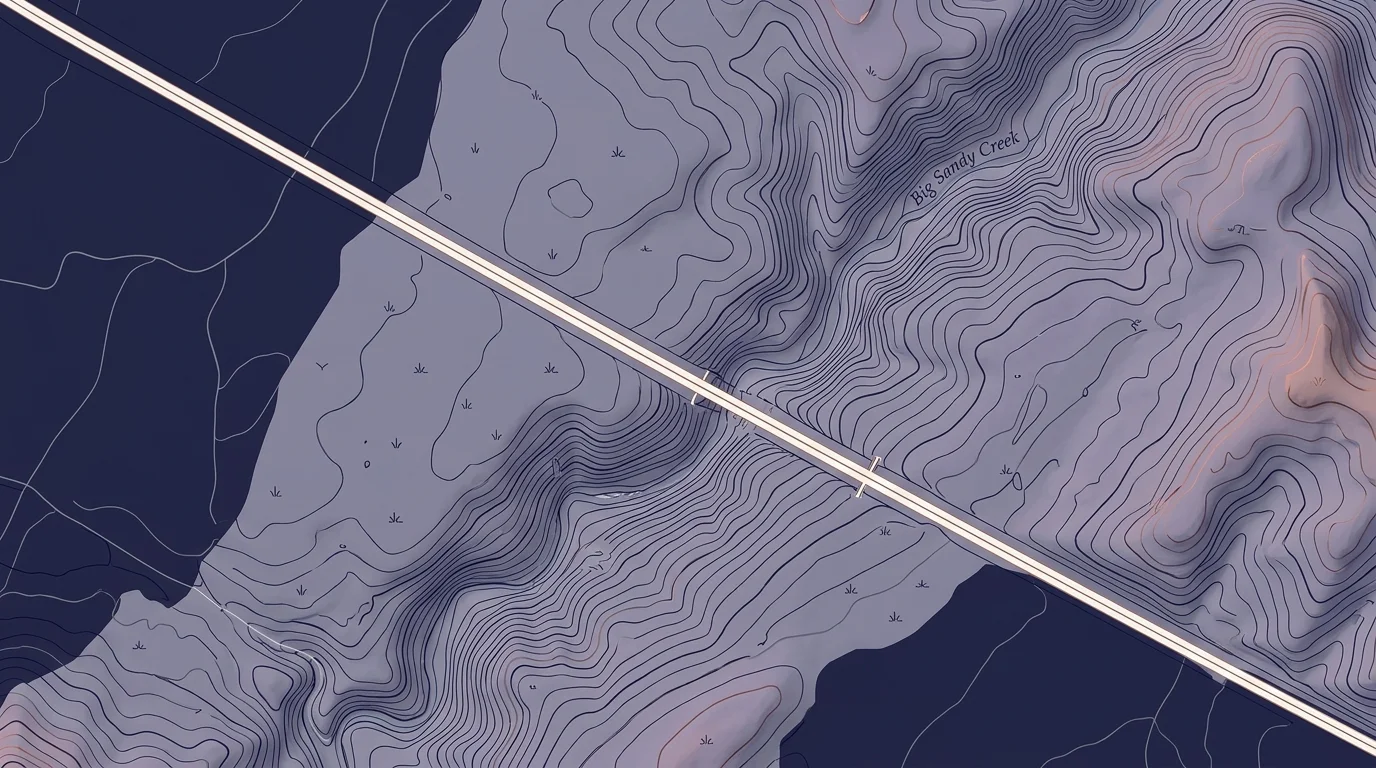
A half-mile stretch of US Highway 2 near Havre, Montana, eroded by floodwaters, is getting a $1.19 million repair that includes a complete overhaul of how the highway drains, an acknowledgment that the original drainage system was never built to handle the floods northern Montana now regularly sees.
For the roughly 16,000 residents of Hill County and the communities strung along Montana's Hi-Line, US-2 is the only east-west highway in the region. The nearest interstate alternatives, I-90 and I-94, run hundreds of miles to the south. A closure or serious degradation of US-2 doesn't create a minor inconvenience, it can add more than 100 miles to a detour for farmers moving grain, families reaching medical care, or freight crossing the state's northern tier.
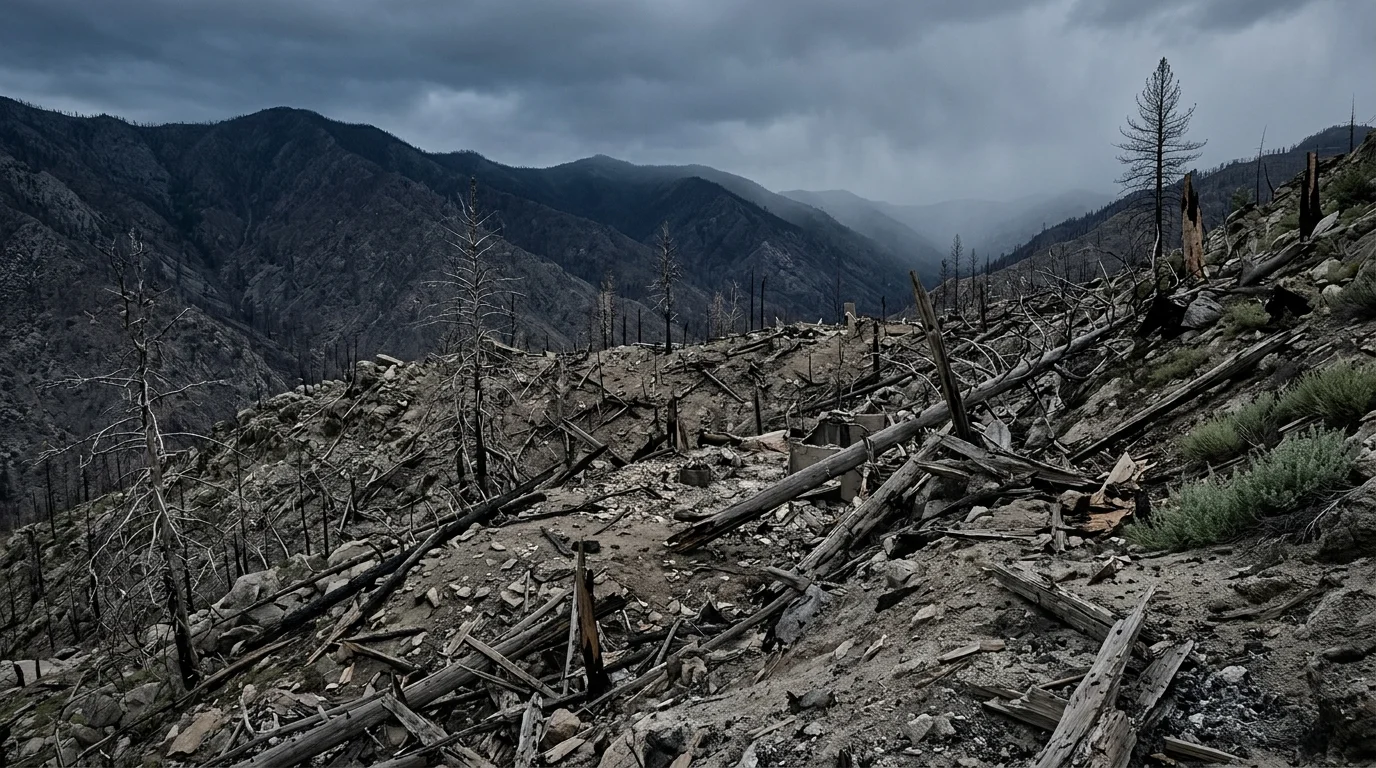
The project targets a 0.6-mile section of the highway where flood damage caused erosion that undermined the roadway and created safety hazards. Rather than a temporary patch, the federally funded repair will regrade the roadside ditch, construct a new outfall to Big Sandy Creek, and build two new approaches, infrastructure designed to move water away from the highway more effectively when future storms hit.
The Hi-Line sits in a semi-arid landscape, but that doesn't insulate it from flooding. Spring snowmelt and intense summer storms regularly overwhelm drainage systems that were engineered decades ago for conditions that no longer match what the region actually gets. Big Sandy Creek and other tributaries of the Milk River have periodically swamped infrastructure across Hill County, which has been included in multiple federal disaster declarations over the past decade. The catastrophic June 2022 flooding near Yellowstone National Park drew national attention to Montana's flood vulnerability, but the pattern of overwhelmed drainage affects the entire state.
The money flows through the National Highway Performance Program, the federal government's primary tool for maintaining the National Highway System, reauthorized and expanded under the 2021 Bipartisan Infrastructure Law. Montana, which maintains roughly 12,000 miles of state highways across the fourth-largest state in the country, relies on federal dollars for more than 70 percent of its highway capital spending, making programs like this one essential for keeping rural roads functional.
The grant was posted in April 2026. Construction timelines have not been publicly announced.