Kentucky is making a $110,500 bet that catching the spongy moth early is far cheaper than fighting it after it arrives. Starting this spring, surveyors will fan out across the state to set more than 3,000 pheromone traps, part of a statewide detection effort to find isolated moth colonies before they grow into the kind of infestation that has already stripped millions of acres of hardwood forest across the Northeast and Midwest.
The effort is urgent: Kentucky is nearly encircled. Virginia, West Virginia, Ohio, Indiana, and eastern Tennessee are all within the federally regulated spongy moth quarantine zone, leaving Kentucky as one of the last major eastern states where the pest has not yet taken hold. The moth has been marching steadily south and west for more than 150 years, ever since it escaped from a Massachusetts laboratory in 1869. Federal and state programs have slowed that advance, but not stopped it.
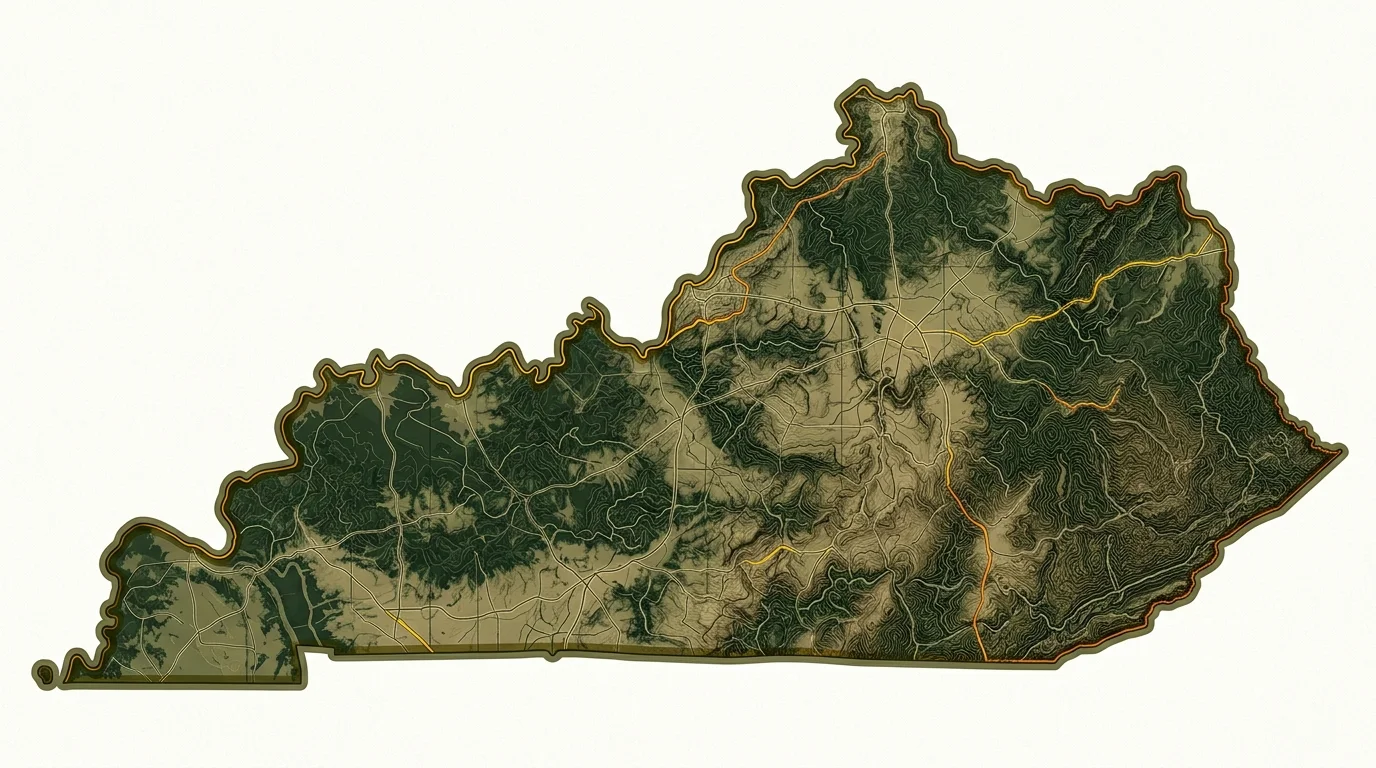
With a federal grant from USDA's Animal and Plant Health Inspection Service, Kentucky's Department of Agriculture is deploying approximately 3,086 traps on a three-kilometer grid across the state. The traps are baited with a synthetic version of the female moth's sex pheromone, which lures and catches male moths. University of Kentucky personnel will train and supervise the surveyors doing the work. The goal is straightforward: map where the moth is, and where it isn't, so that any new colonies can be eradicated quickly and cheaply rather than battled at scale later.
The economic stakes explain the urgency. Kentucky has roughly 12.5 million acres of forestland, nearly half the state's total land area, dominated by the oak-hickory stands that spongy moth caterpillars prefer above almost anything else. The state's forest products industry contributes over $13 billion annually to the rural economy. Nursery growers face another threat: interstate shipment restrictions that kick in once a pest becomes established can effectively close off out-of-state markets. Even Kentucky's bourbon industry has a stake, since white oak trees provide the barrels that age the state's signature product.
Beyond natural spread along the Appalachian ridge, the bigger worry is accidental human transport. Spongy moth egg masses are small, tan, and easy to miss. They can be laid on virtually any outdoor surface: cars, campers, firewood, patio furniture. Kentucky's tourism economy, anchored by destinations like Red River Gorge, Mammoth Cave, and Daniel Boone National Forest, draws millions of visitors annually from infested states. Population growth in Louisville and Lexington from Northeastern transplants, a trend accelerated by remote work in recent years, adds another pathway for the pest to leapfrog ahead of the natural infestation front.
The national Slow the Spread program, which this survey feeds into, has operated since 1992 and has reduced the moth's rate of advance from roughly 13 miles per year to 3 to 5 miles per year. USDA estimates the program has saved about $1.3 billion in damages over its first two decades by catching and eliminating colonies before they merge with the main population.
Trap-setting begins with surveyor training this spring. All traps will be removed by the end of the season in September 2026, and the final data report summarizing where moths were and were not detected is due to USDA by late November.