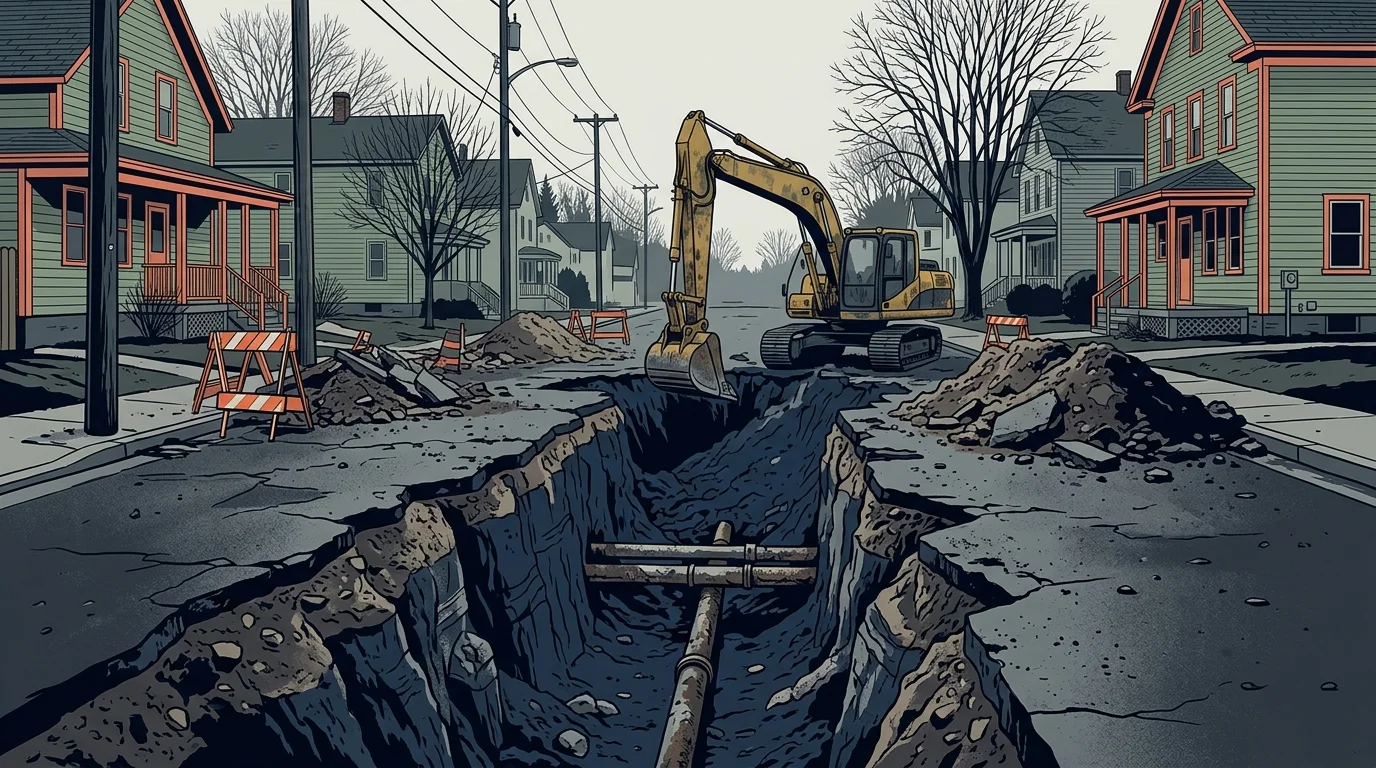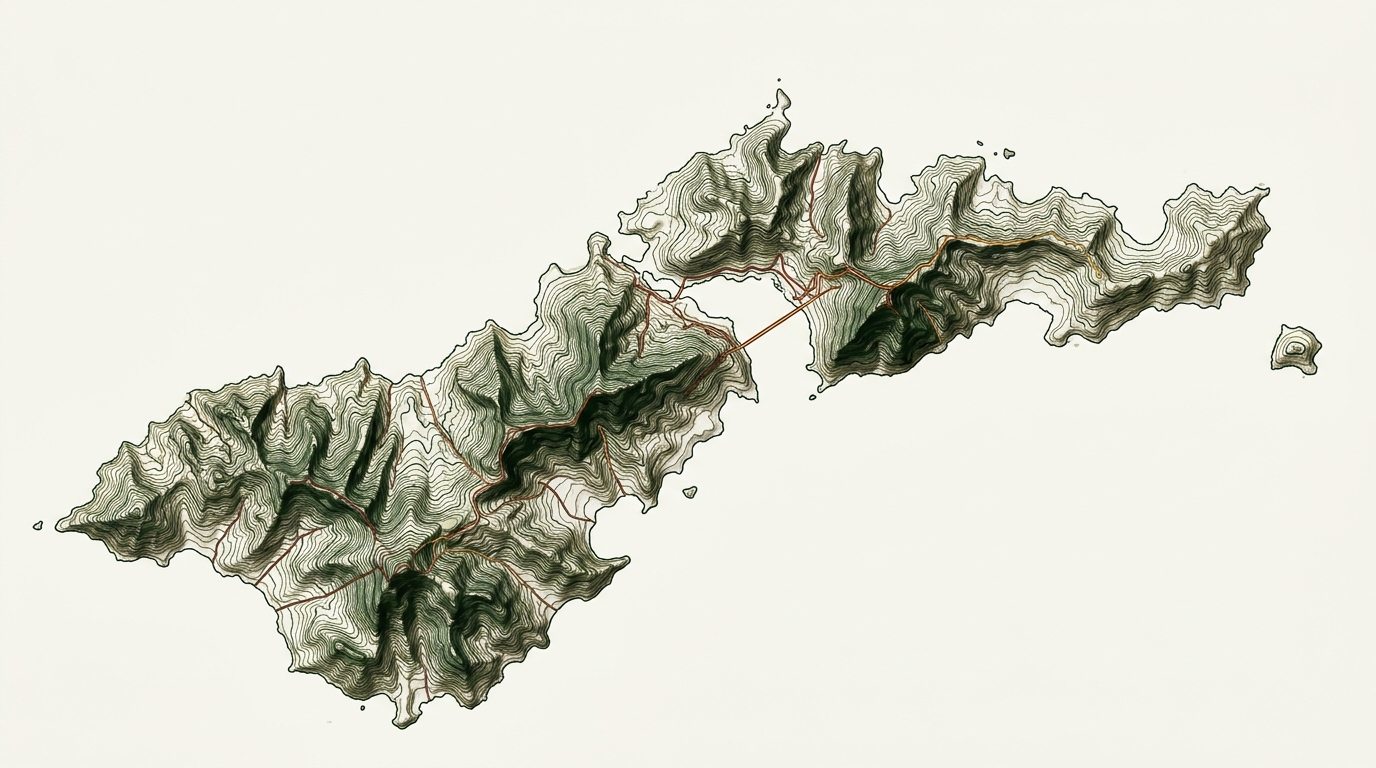
American Samoa has spent decades watching treated drinking water disappear into the ground. Leaking mains, many installed in the 1970s and 1980s and corroded by decades of salt air and tropical storms, have allowed more than half of the territory's treated water to seep out before reaching homes and businesses. Boil-water advisories and service outages have been routine. Now, a $30.7 million federal grant is funding a broad push to fix what decades of deferred maintenance left behind.
The money flows from the 2021 Bipartisan Infrastructure Law, which for the first time directed significant dedicated funding to U.S. territories for water infrastructure. Unlike states, which receive federal water money as loans they must repay, American Samoa qualifies for outright grants under the Omnibus Territories Act — a recognition that the territory, where roughly 65% of residents live below the federal poverty line and the median household income sits around $28,000, simply cannot take on revolving debt.
The American Samoa Power Authority (ASPA), the territory's sole water, wastewater, and electric utility, will direct the funds toward a priority list of projects: replacing deteriorating storage tanks, installing new waterlines, rehabilitating sewer lift stations, extending sewer coverage, and improving wastewater treatment. Perhaps as telling as any of those physical repairs is one quieter item: installing SCADA systems, the automated monitoring technology that lets operators detect breaks and contamination events in real time. That some parts of American Samoa's water network still lack basic remote monitoring speaks to how far behind the infrastructure has fallen.
Another $800,000 within the grant is set aside for EPA to help ASPA build a water and wastewater asset management system — essentially a first-ever systematic inventory of what infrastructure exists, what condition it's in, and how long it's likely to last. Without that foundation, long-term capital planning is nearly impossible.
The territory's vulnerabilities go beyond aging pipes. American Samoa sits in the tropical cyclone belt, experienced a devastating tsunami in 2009, and faces rising seas and saltwater intrusion into freshwater aquifers. Tropical Storm Gita in 2018 caused significant damage to water infrastructure. With only about 55,000 residents spread across five volcanic islands and two coral atolls roughly 2,600 miles southwest of Hawaii, the territory has a narrow economic base — heavily dependent on a single StarKist tuna cannery and federal spending — that leaves little local revenue for infrastructure investment.
The grant covers five funding streams under the infrastructure law, including drinking water and clean water revolving fund supplements, emerging contaminant funds, and lead service line replacement money. Specific project priorities may shift during the grant period depending on the most urgent health and environmental needs, according to EPA.
The central question now is execution. The EPA's own inspector general flagged concerns in 2023 about whether insular area agencies have the workforce and project management capacity to absorb the unprecedented flow of infrastructure law money before funding windows close. ASPA has also faced scrutiny over Clean Water Act compliance at its wastewater treatment plants and has struggled to balance affordability for low-income ratepayers against the revenue needed to maintain its systems. How quickly and effectively the territory can translate this funding into functioning infrastructure will determine whether the investment delivers on its promise.