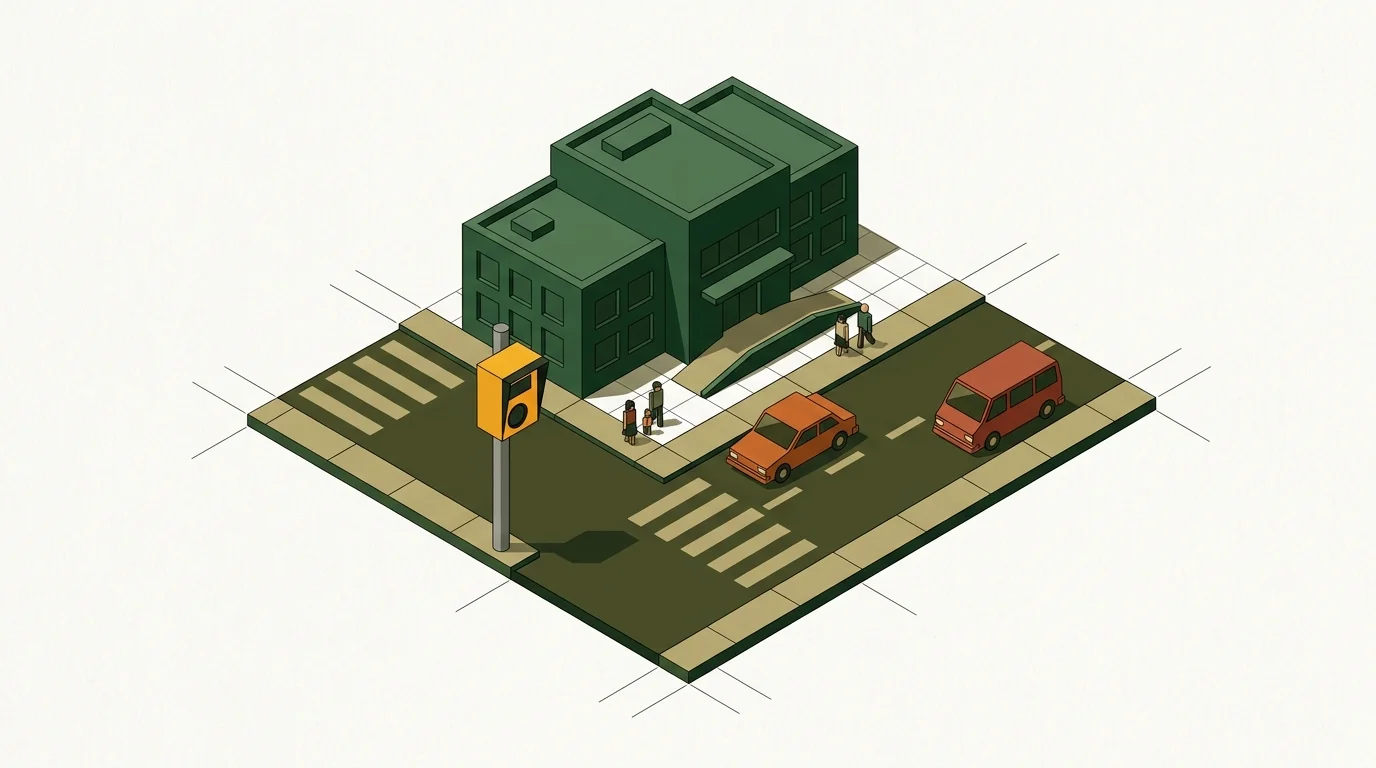
West Palm Beach, Florida is moving to put automated speed cameras in its school zones, responding to persistent pedestrian dangers in one of the country's most hazardous states for people on foot.
The city is seeking a private vendor to install and run the system, following a public-private partnership model that dozens of other municipalities have adopted. Under these arrangements, the vendor typically covers upfront costs and recoups its investment through a share of citation revenue, limiting what the city pays directly. Florida law caps first-offense fines at around $100 and requires that net revenue go toward public safety.
The move is authorized under Florida HB 657, passed in 2023, which specifically legalized automated speed detection in school zones. West Palm Beach is arriving nearly two years after that law took effect, trailing cities like Miami Gardens, Orlando, and Tampa that moved quickly after 2023. Early data from those programs reportedly showed meaningful reductions in speeding during school hours, which likely helped build political support for the technology elsewhere.
Source: NationGraph.
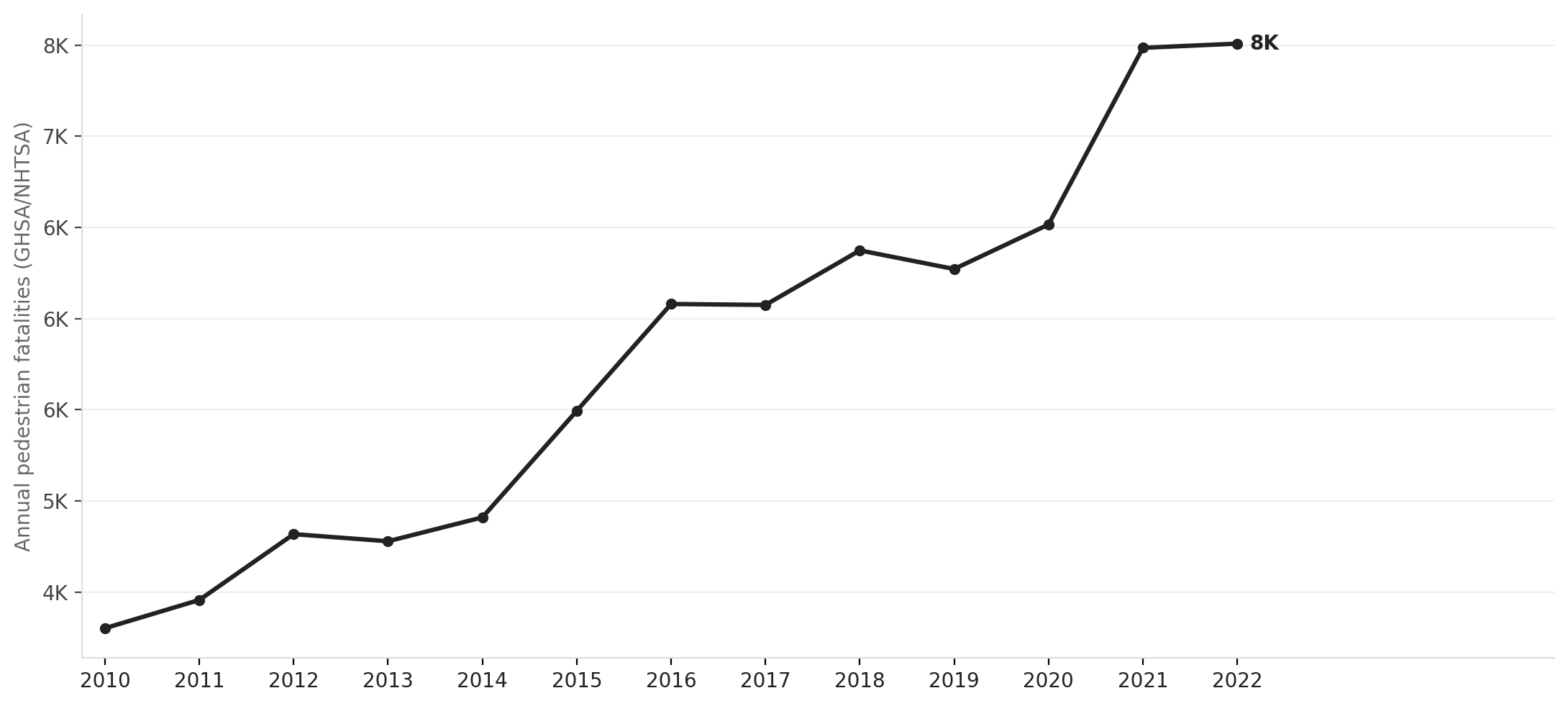
The broader backdrop is a national pedestrian safety crisis. The United States recorded more than 7,500 pedestrian deaths in 2022, a roughly 40-year high, driven in part by heavier vehicles, distracted driving, and higher speeds on roads originally designed for cars rather than people on foot. Florida has ranked as the nation's most dangerous state for pedestrians for years, and Palm Beach County consistently appears among the state's deadliest counties for people walking and cycling.
West Palm Beach has about 120,000 residents and sits at the center of Palm Beach County, a region of roughly 1.5 million people. The city is home to more than 30 public and private schools, each of which could eventually fall within the program's reach.
The program carries real promise, but also a pointed question about who bears its costs. A $100 fine is a minor inconvenience for a driver in the county's wealthier waterfront neighborhoods and a significant hardship for a family in the lower-income northwest quadrant of the city. Civil liberties advocates in Florida have raised similar concerns about the state's earlier red-light camera programs, which generated heavy revenue before many cities abandoned them under public pressure. Florida law does require a 30-day warning period after cameras are installed before any citations can be issued, giving drivers time to adjust before fines kick in.
With the city targeting a vendor now, the timing suggests West Palm Beach hopes to have cameras operational before the 2026-2027 school year begins in August. Whether the program meaningfully changes driver behavior near schools, or primarily generates revenue, will likely become clear in its first year of operation.