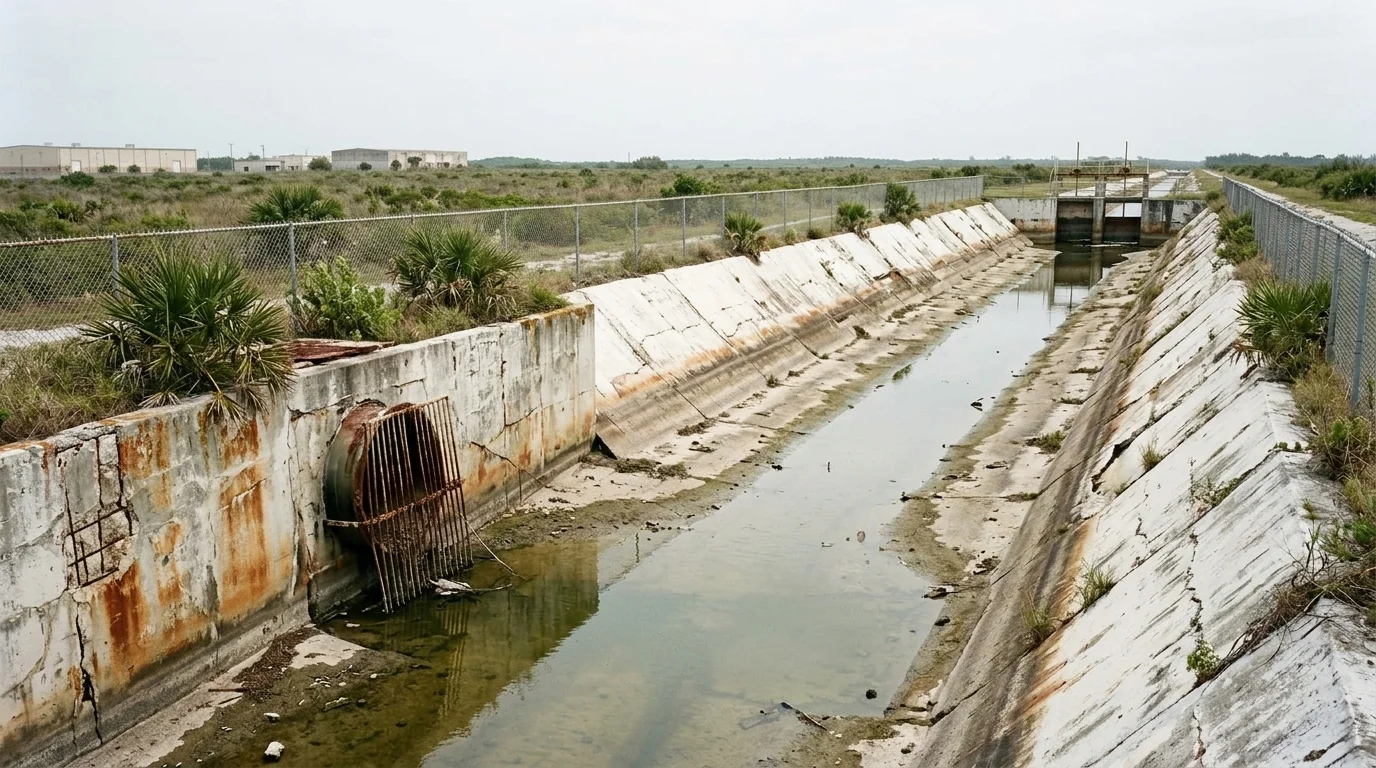
Cocoa Beach, Florida is moving to repair a crumbling sewer system that regulators and environmental advocates warn is funneling nutrient pollution into the Indian River Lagoon, one of the most biodiverse estuaries in North America.
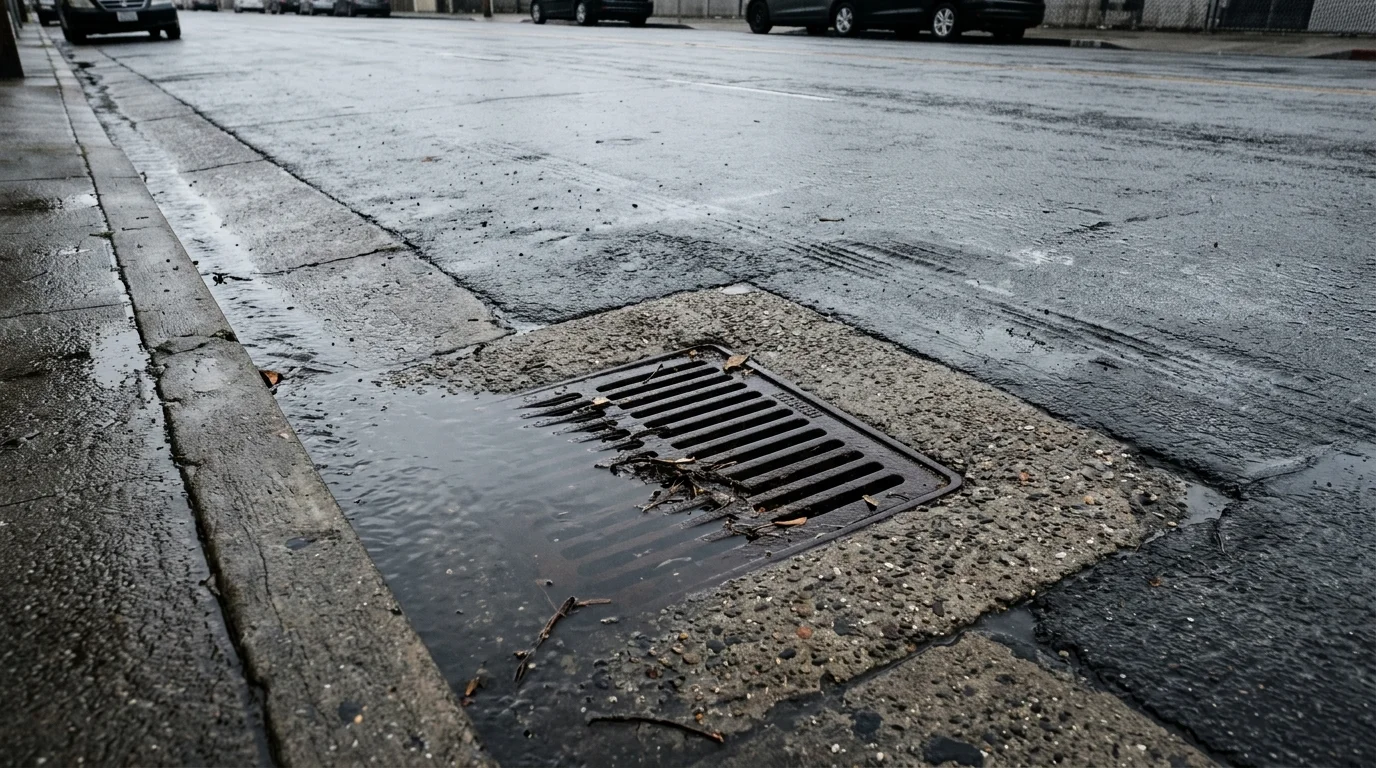
The city is assembling a pool of contractors for an ongoing rehabilitation program targeting its sanitary sewer network, much of which was laid during the Space Race development boom of the 1960s and 1970s. At 50 to 60 years old, those pipes, manholes, and lateral connections are well past their expected useful life, and on a barrier island where the water table sits just two or three feet below ground, the consequences are serious. Groundwater seeps in through cracks and deteriorated joints, and stormwater enters through deteriorated manhole covers and improper connections, a problem known as inflow and infiltration, or I&I. When enough of it enters the system, the sewer can overflow, discharging raw or partially treated sewage into streets and waterways.
For Cocoa Beach, those waterways flow into the Banana River, part of the Indian River Lagoon system that borders the city to the west. The lagoon has suffered catastrophic algal blooms, seagrass die-offs, and fish kills over the past decade, driven in large part by nutrient pollution from wastewater. The 2011 and 2016 superblooms wiped out vast stretches of seagrass and galvanized environmental concern across the Space Coast. Sewage overflows from aging systems like Cocoa Beach's are a direct contributor to that nutrient loading.
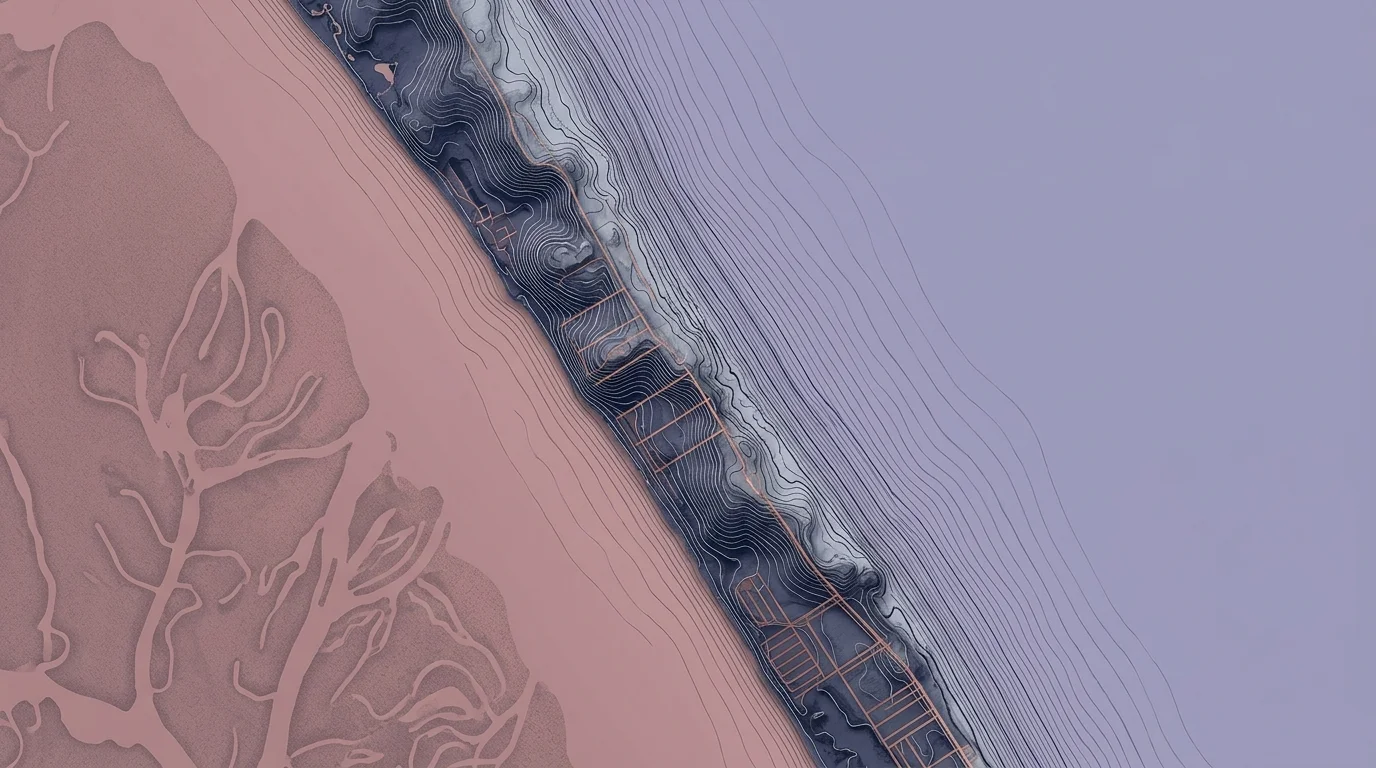
The problem is compounded by geography and climate. Cocoa Beach is a narrow barrier island of about 12,000 residents squeezed between the Atlantic and the lagoon, with sandy soil that offers little structural support for aging pipes. Sea level rise projections for this stretch of coast call for roughly one to two feet of additional rise by 2060, which will push groundwater tables even higher and worsen infiltration. More intense rainfall events, increasingly common in Florida, amplify inflow. The city's small tax base faces an enormous capital challenge.
Florida has tightened pressure on utilities to act. After high-profile sewage spills in St. Petersburg and Fort Lauderdale dumped hundreds of millions of gallons of sewage in the mid-2010s, the state passed the Clean Waterways Act in 2020, requiring utilities to develop asset management plans and prioritize rehabilitation of overflow-prone systems. Brevard County voters approved a half-cent sales tax in 2016 dedicated to lagoon restoration and sewer upgrades, directing hundreds of millions toward infrastructure across the county.
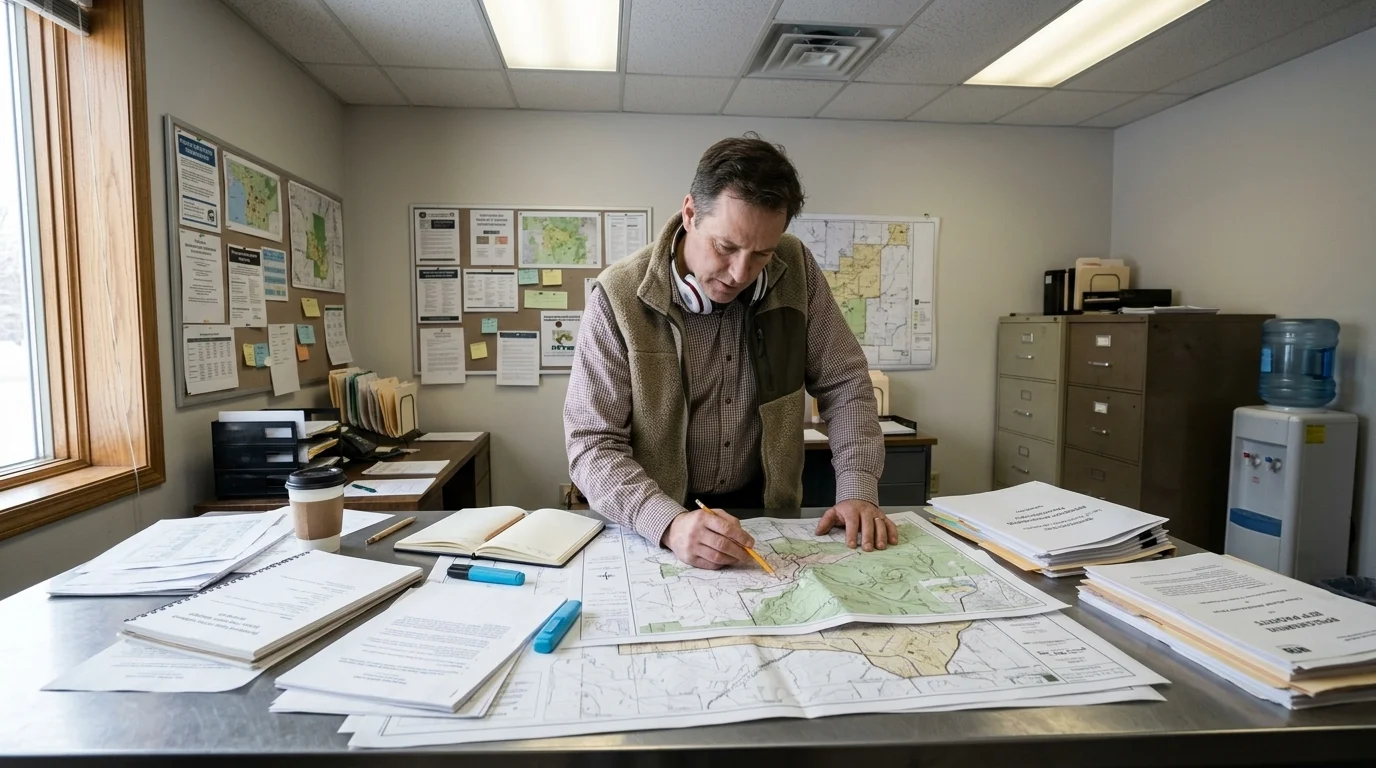
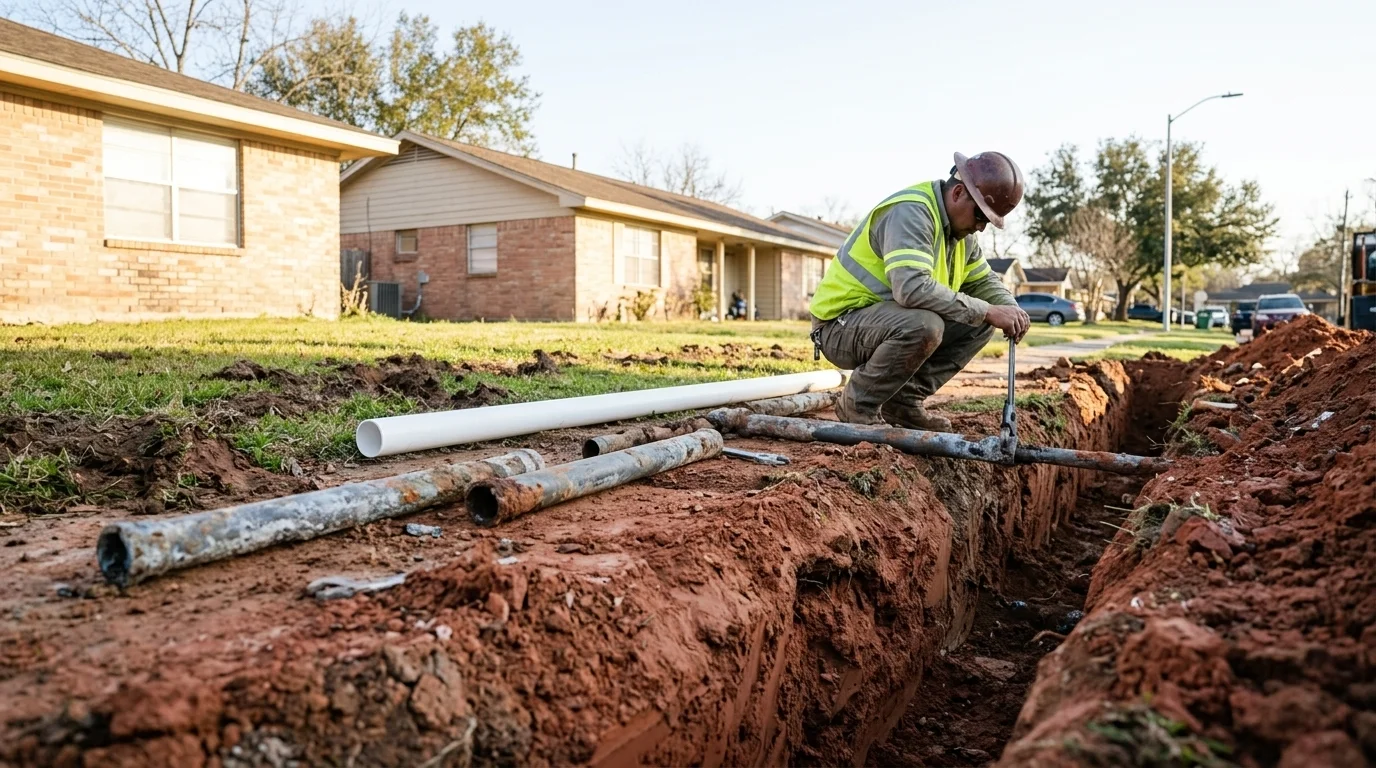
The on-call contractor structure Cocoa Beach is using for this program signals a sustained, multi-year campaign rather than a one-time fix, an approach that reflects the scale of the problem. Rehabilitation work typically involves inspecting pipes with cameras, smoke-testing sewer lines to find where water is entering, sealing or relining deteriorated manholes, and lining or replacing cracked pipes. The city has not publicly disclosed a total budget for the program, and the full scope of the work has not been released.
With contractor qualifications now being assembled, the pace of actual repairs will depend on funding availability and how quickly the city can move projects through design and permitting. The lagoon's health, and the next major rainstorm, will keep the pressure on.