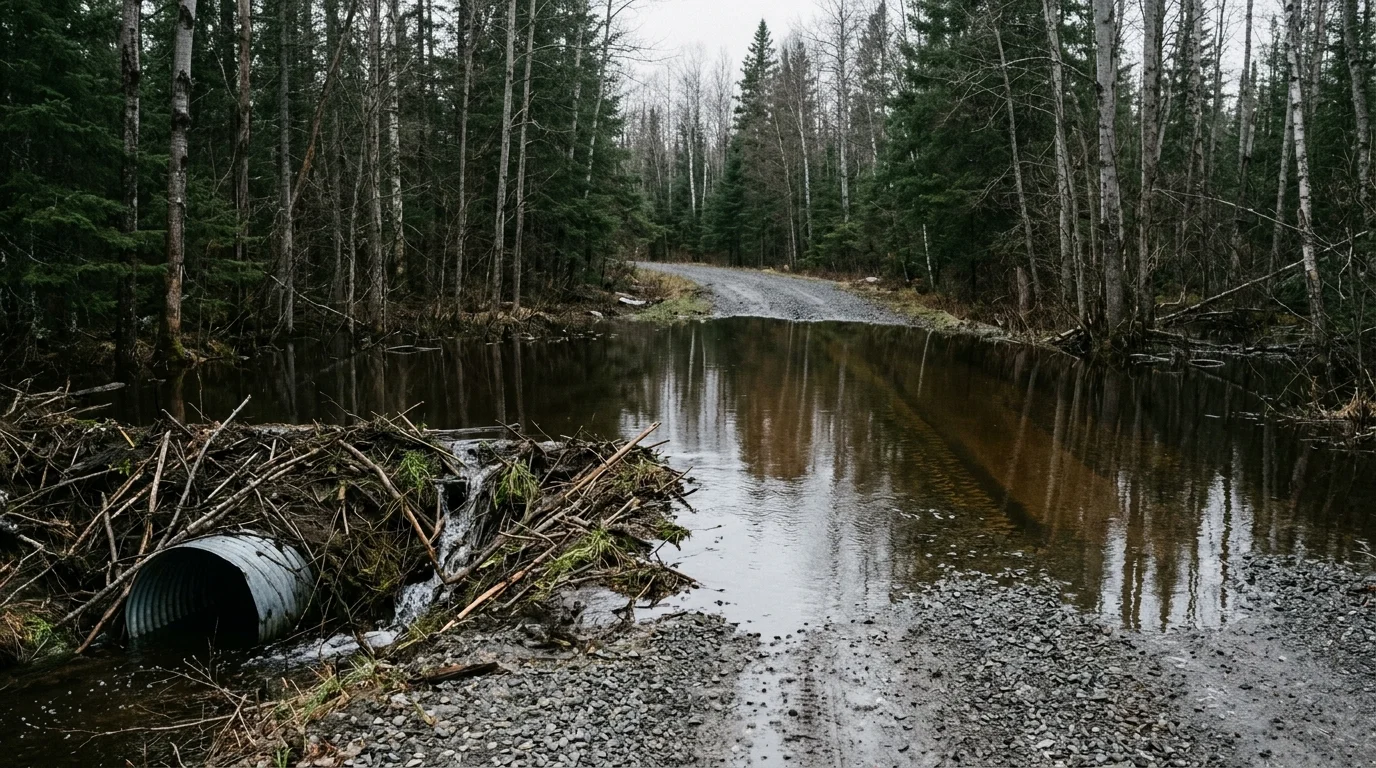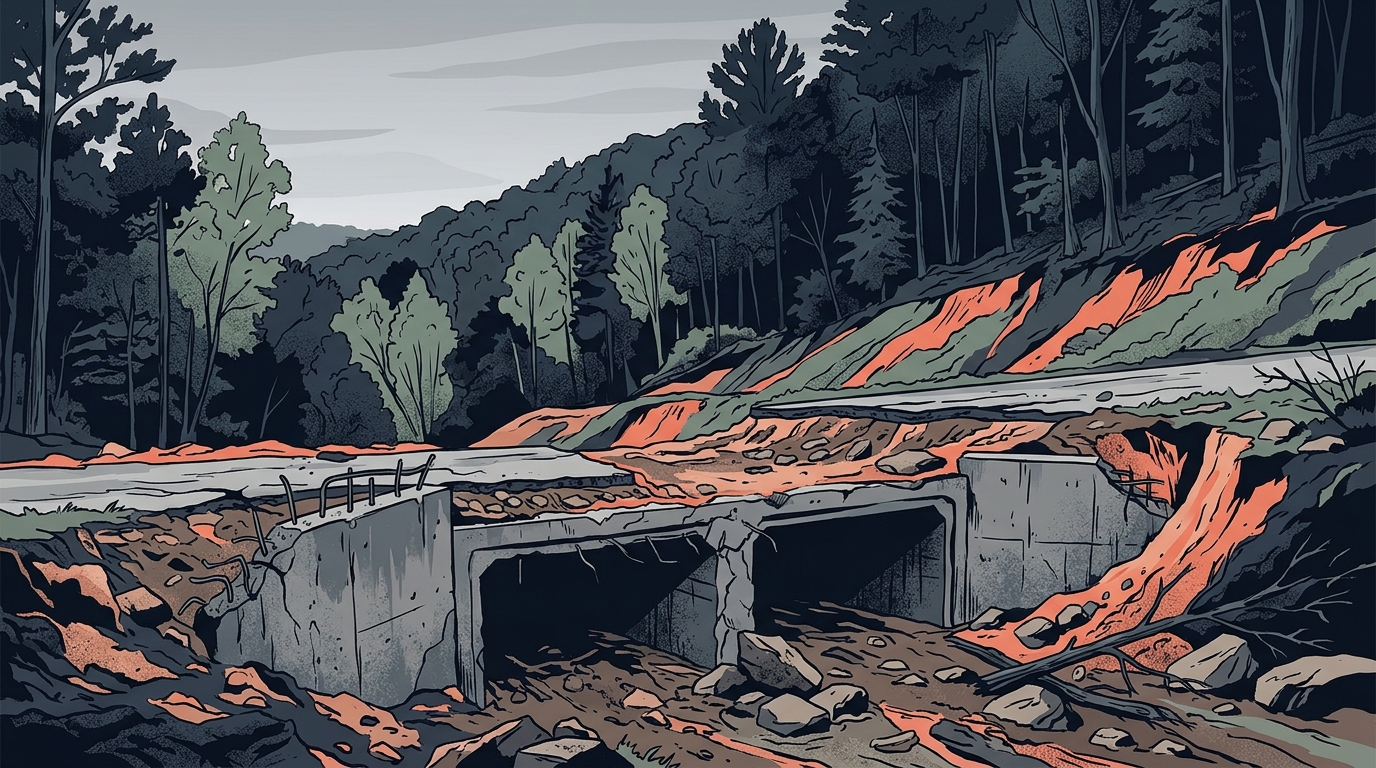
Pickens and Greenville counties in South Carolina's Upstate mountain region are getting $745,340 in federal aid to repair culverts that were damaged or destroyed when Tropical Storm Helene tore through in late September 2024.
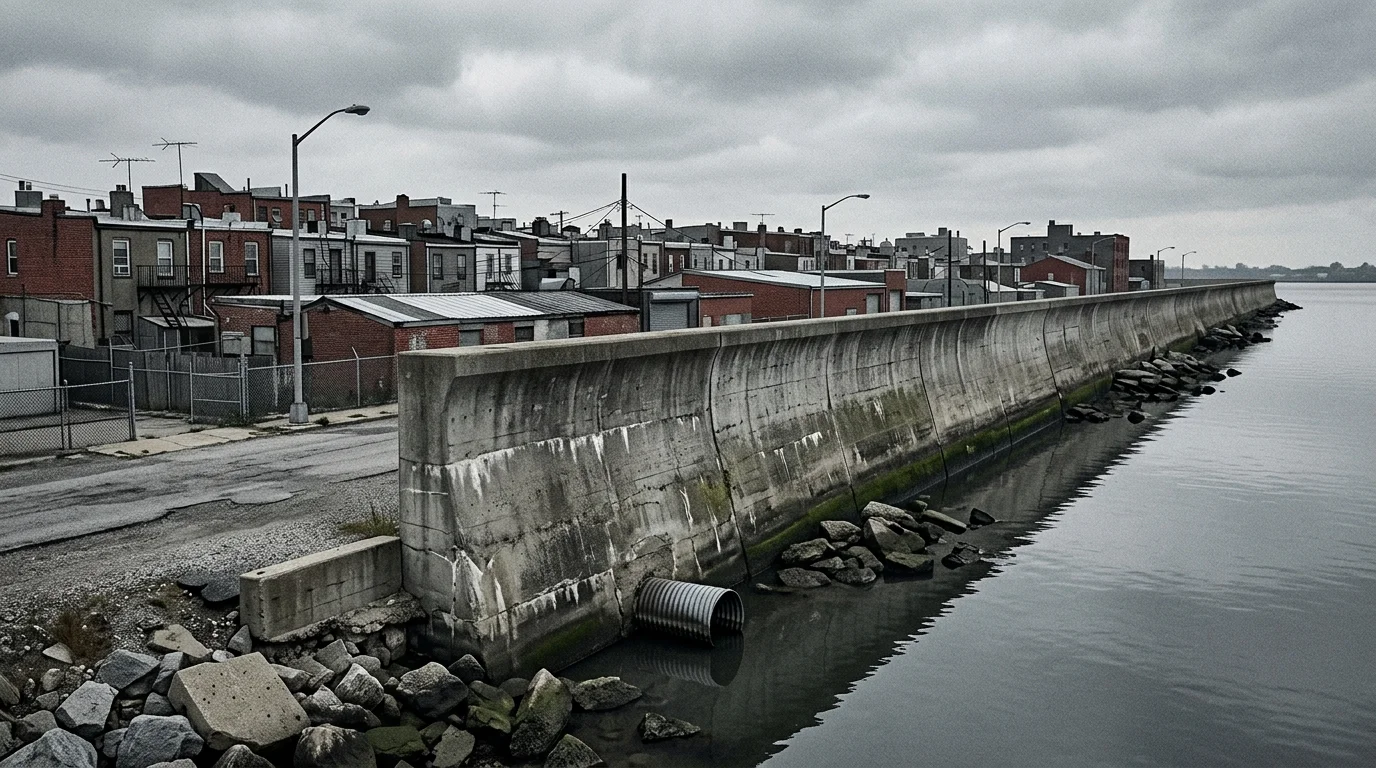
The FEMA Public Assistance grant flows through the South Carolina Adjutant General's office, which coordinates state disaster recovery, and is almost certainly headed to the South Carolina Department of Transportation, which maintains the state-owned road culverts at issue. Those structures, which channel floodwater beneath roadways, are especially critical in steep mountain terrain where fast-moving, debris-laden water can block or collapse them in a matter of hours.
Helene struck the western Carolinas on September 25-28, 2024, producing catastrophic flooding that drew national attention to Asheville and western North Carolina. But on the South Carolina side of the Blue Ridge, Pickens and northern Greenville counties were hit nearly as hard. Roads washed out, drainage infrastructure failed, and communities in the mountains found themselves cut off. Governor Henry McMaster secured a presidential disaster declaration that included both counties for public assistance.
The Upstate had long been considered insulated from South Carolina's worst disasters, a distinction historically reserved for the coast during hurricane season. Helene changed that calculus. The storm was the latest in a punishing run of federally declared disasters for the state that stretches back to the catastrophic October 2015 floods, which killed 19 people and caused an estimated $12 billion in damage, and continued through hurricanes Matthew, Florence, and Dorian.
Beyond restoring what was lost, FEMA's program allows rebuilt culverts to be upgraded to handle heavier flows, a meaningful provision as climate patterns push more intense rainfall into a region whose drainage infrastructure was designed for a different era. South Carolina raised its gas tax in 2017 for the first time in decades specifically to address a roughly $1 billion annual road maintenance shortfall, but the state's backlog of aging secondary road infrastructure remains deep.
This grant is part of a broader wave of Helene recovery funding reaching Upstate communities. Greenville County separately received $1.3 million to clear debris from the storm, and four other Upstate counties received $435,000 to fix storm-damaged culverts and bridges in a similar award.
The January 2026 posting date, more than 15 months after the storm struck, reflects the typical pace of federal disaster reimbursement. The repair work in Pickens and Greenville counties is expected to proceed as funding is disbursed through the state.