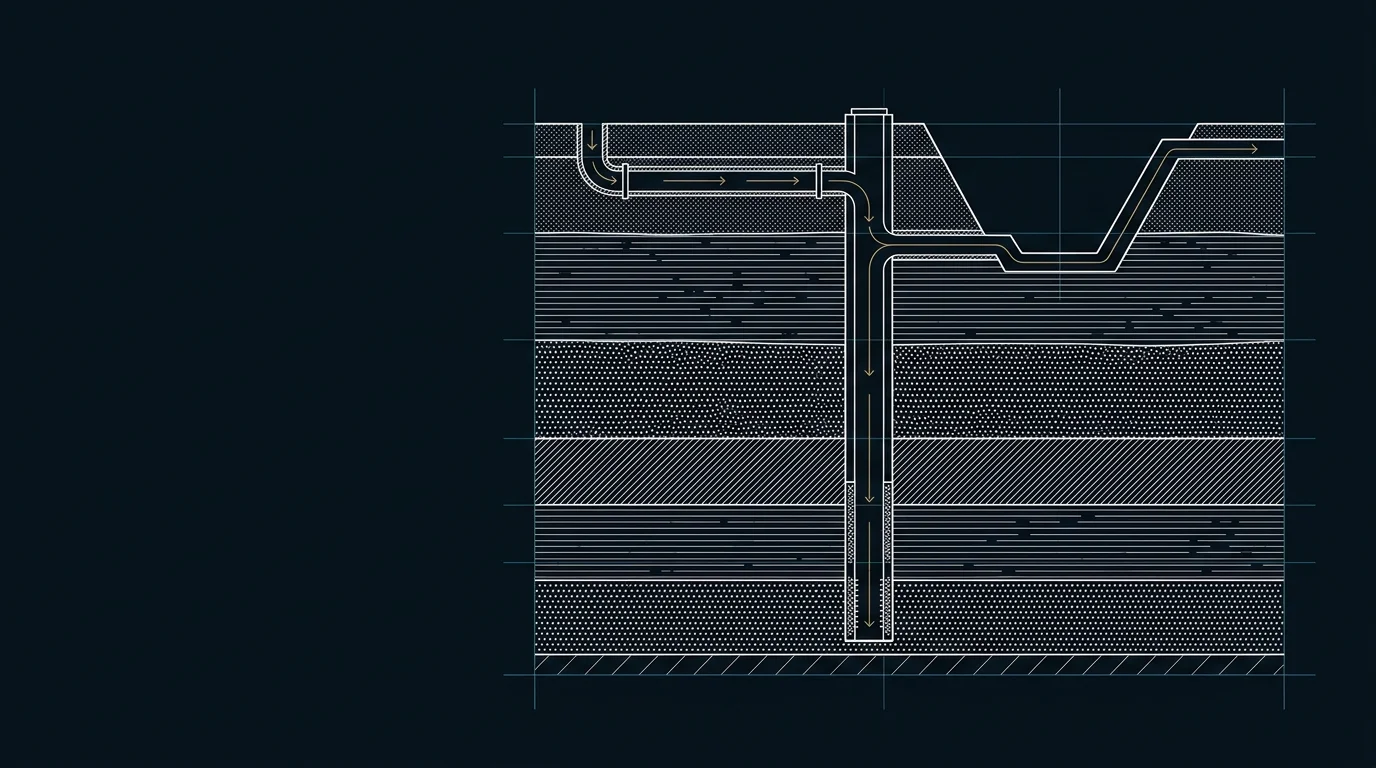
Montverde, Florida, a town of roughly 2,000 people on the western fringe of the Orlando metro area, is moving to connect homes to a centralized sewer system and phase out the aging septic tanks that have been quietly leaching nitrogen and phosphorus into one of the state's most ecologically sensitive watersheds.
The work targets the Lake Apopka basin and the Green Swamp, a designated Area of Critical State Concern that recharges the Floridan Aquifer, the primary drinking water source for tens of millions of Floridians. Lake Apopka was once considered one of Florida's most polluted large lakes, and decades of costly restoration efforts have made nutrient reduction in the surrounding communities a priority for state regulators.
Montverde's situation mirrors a problem playing out across Florida, which has more septic tanks than any other state in the nation: roughly 2.7 million systems serving about one-third of the population. Many are decades old and failing. Scientific research has increasingly tied septic-driven nutrient pollution to harmful algal blooms, toxic blue-green algae outbreaks, and the degradation of Florida's famous freshwater springs. The 2020 Clean Waterways Act directed the Florida Department of Environmental Protection to identify the highest-risk areas and mandate nutrient reductions, accelerating pressure on small towns like Montverde to act.
For a municipality with a budget likely in the low single-digit millions, the cost of extending sewer infrastructure is enormous. Projects like this typically depend on a mix of state grants through FDEP's Wastewater Grant Program, federal funding from EPA State Revolving Fund loans and USDA Rural Development programs, and local property assessments. That last piece is often the most politically fraught: homeowners can face connection costs of $5,000 to $20,000 or more per property, and pushback from residents asked to abandon systems that appear to be working is common in small Florida towns.
The pressure to act is compounded by growth. Nearby Clermont and Minneola have seen their populations double or triple in the past 15 years, and residential development is pushing deeper into western Lake County. More homes and more impervious surface mean more stormwater runoff carrying septic leachate into waterways, making the environmental math worse with each new subdivision.
The town is now seeking contractors to carry out the conversion work. How quickly the project moves forward, and how the town structures costs for property owners, will be the central questions as Montverde tries to close the gap between its rural past and the environmental demands of a rapidly urbanizing future.