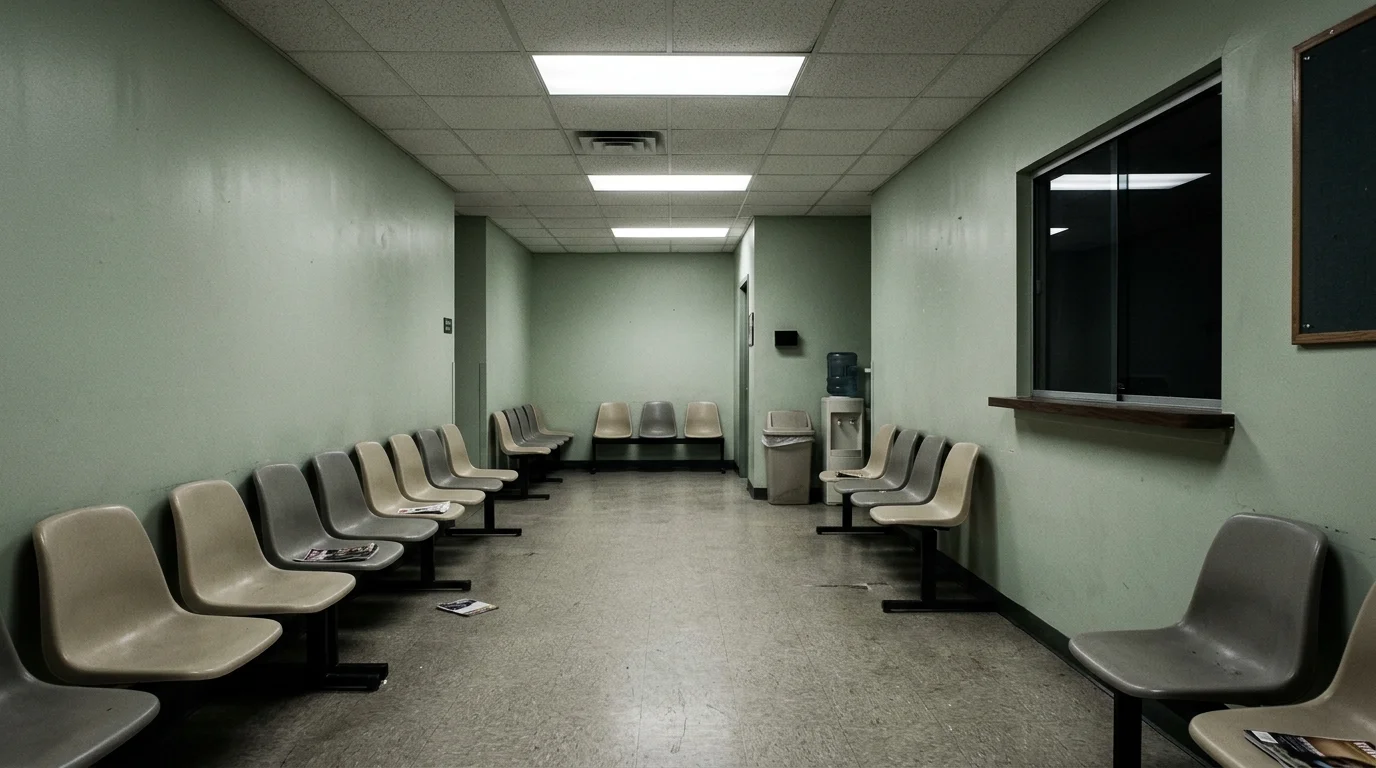
In Portland-area eviction court, the odds are stacked against tenants. Landlords typically show up with lawyers. Tenants typically show up alone. Multnomah County, Oregon is now moving to change that dynamic by placing support staff directly inside the courtroom to help renters navigate proceedings, connect with legal aid, and negotiate with landlords before a judge rules.
The county's Department of County Human Services is seeking providers for in-court eviction defense support, staff like court navigators, housing counselors, or paralegals who can meet tenants where evictions are actually decided, not just in a legal aid office weeks earlier.
The timing reflects a crisis that's been building since 2022. Oregon ran some of the longest eviction moratoriums in the country during the pandemic, protecting hundreds of thousands of renters. When those protections expired in mid-2022 and federal Emergency Rental Assistance funds dried up, eviction filings surged, returning to or exceeding pre-pandemic levels in Oregon courts by 2023 and 2024. Legal aid organizations like Legal Aid Services of Oregon have said publicly that they've been overwhelmed by the volume.
Source: NationGraph.
Roughly 55% of Multnomah County's 800,000 residents are renters, and the county has one of the largest per-capita unsheltered homeless populations in the nation. Eviction is one of the most direct pathways into that crisis. A single eviction prevention intervention can cost a few hundred dollars; shelter and emergency services routinely run into the tens of thousands per person per year.
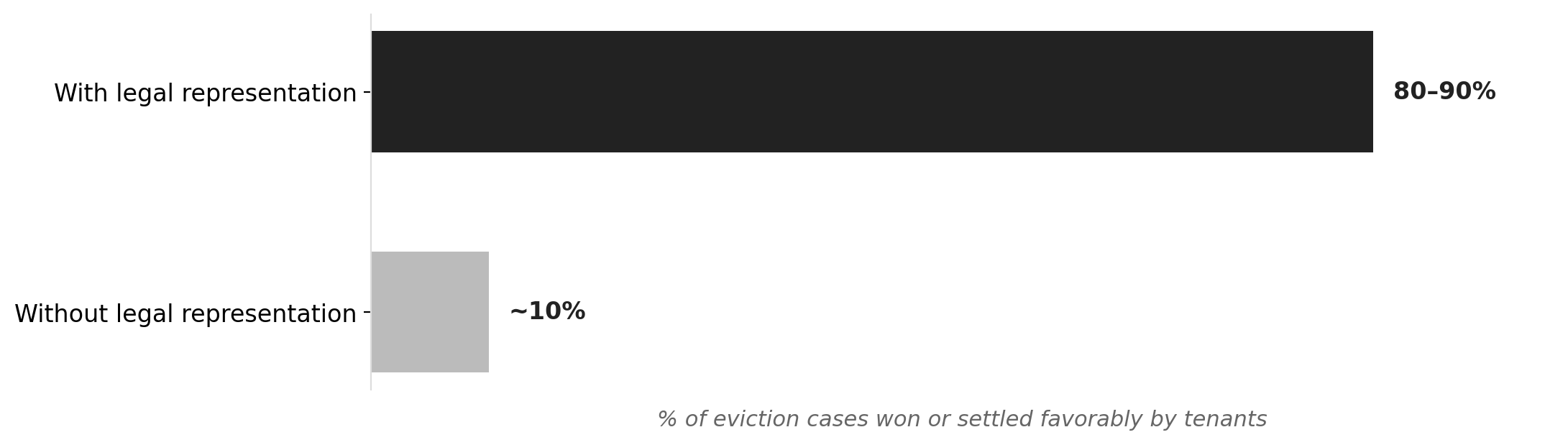
Research on tenant legal representation consistently shows it makes a decisive difference. Tenants with legal help win or reach favorable settlements in roughly 80 to 90 percent of cases. Without help, that number drops to around 10 percent. The right-to-counsel movement that started in New York City in 2017 has since spread to San Francisco, Philadelphia, Seattle, and other cities on the strength of those numbers. Oregon passed its own statewide eviction defense funding bill, SB 282, in 2023, though questions about whether that funding is adequate to meet demand have persisted.
The county frames this investment explicitly as homelessness prevention, a bet that intervening at the courthouse is cheaper and more effective than responding after someone loses their housing. The specific funding amount and contract length aren't publicly detailed in the solicitation, which was posted June 2.