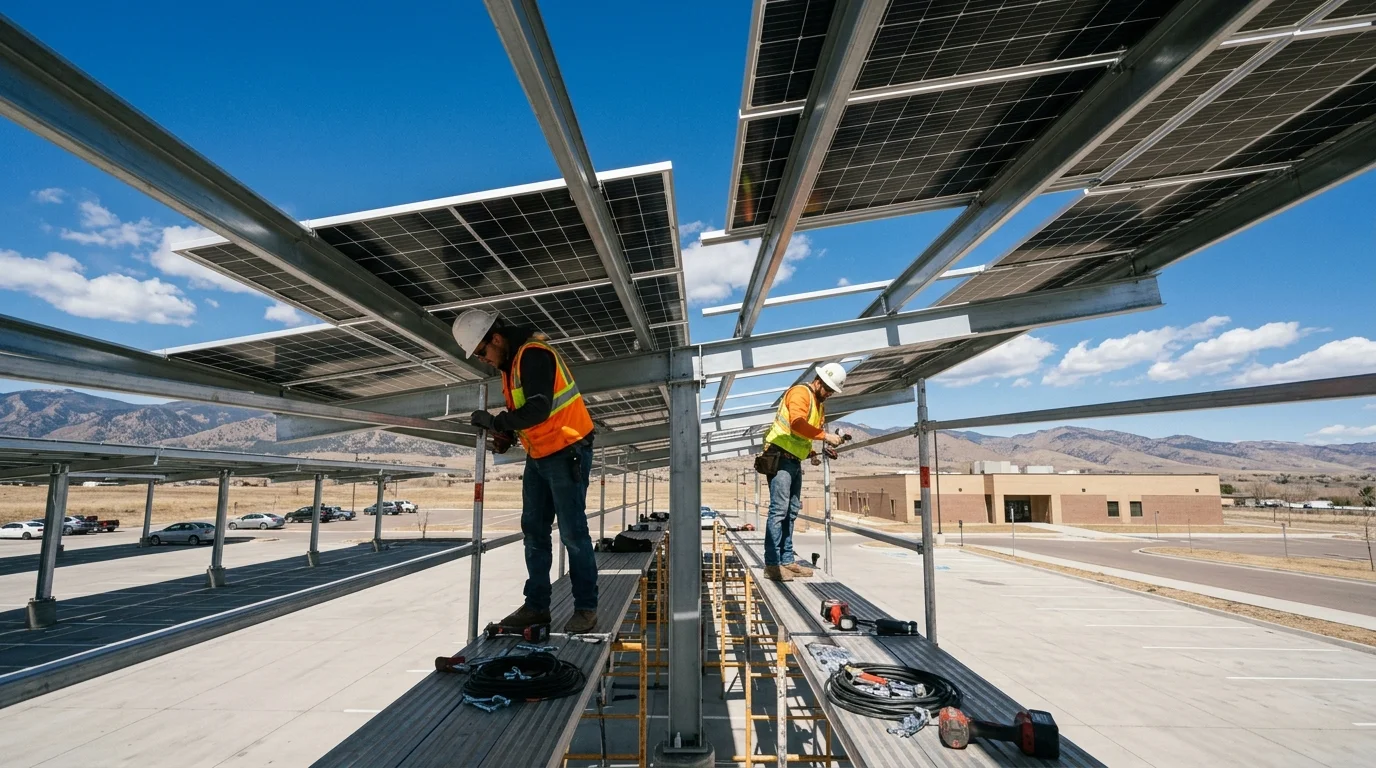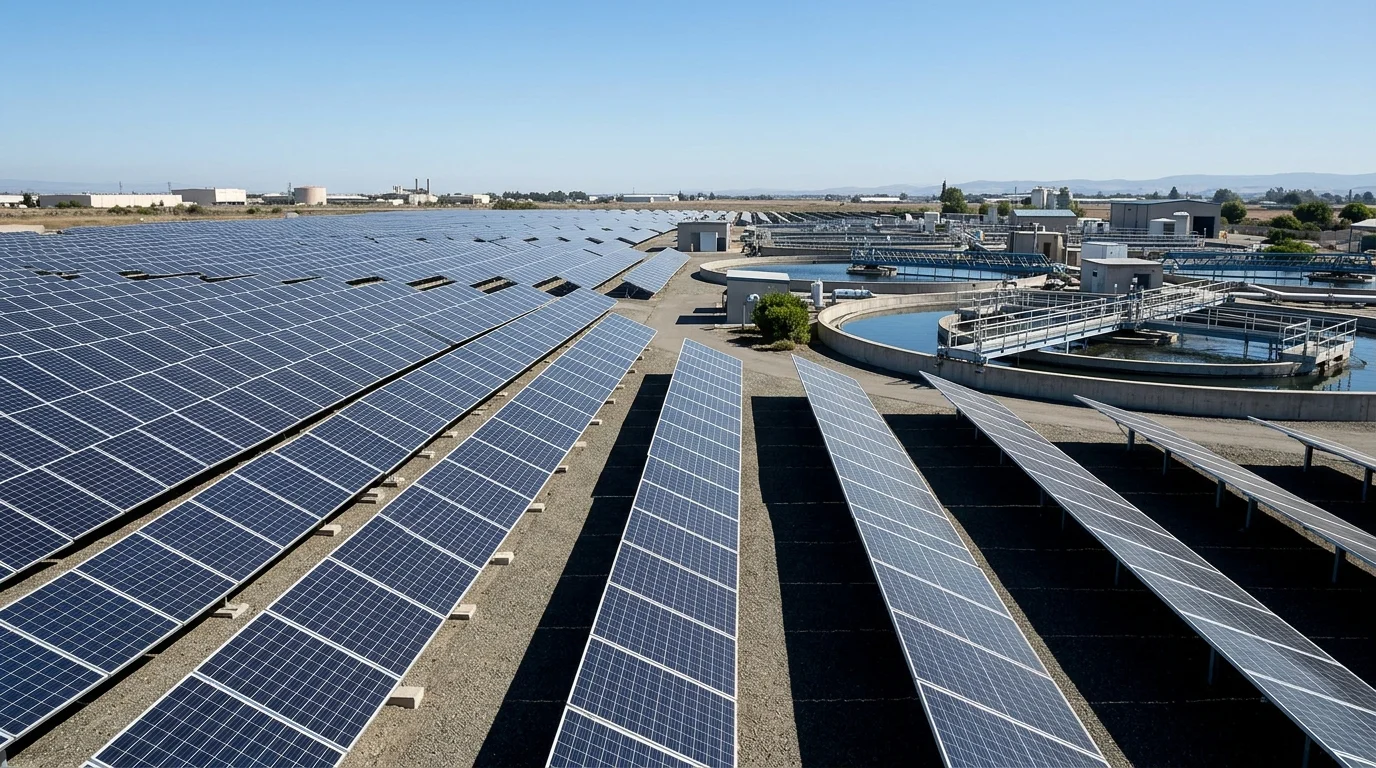
Lansing, Michigan is moving to put solar panels at its wastewater treatment plant, one of the most energy-hungry facilities the city operates, as federal incentives and plummeting panel costs have finally made the math work.
Wastewater treatment is an around-the-clock operation: pumps, aerators, and sludge processing equipment run continuously, and plants like Lansing's can account for 25 to 40 percent of a city's total electricity budget. For years, adding solar to facilities like this made sense on paper but was hard to justify financially, especially in moderate-sun states like Michigan. Two things changed that calculation. Solar module prices have fallen roughly 90 percent since 2010, and the Inflation Reduction Act of 2022 opened a new door for municipalities: a direct-pay provision that lets tax-exempt local governments claim a 30 percent federal tax credit on solar installations as an actual Treasury payment, not just a tax offset. For a city that owns its own utility, the Lansing Board of Water & Light, those savings flow directly back to city operations.
Michigan's 2023 Clean Energy Future legislation added another layer of urgency, setting a mandate for 100 percent clean energy statewide by 2040. Lansing, as the state capital, has its own political incentive to be ahead of that curve.
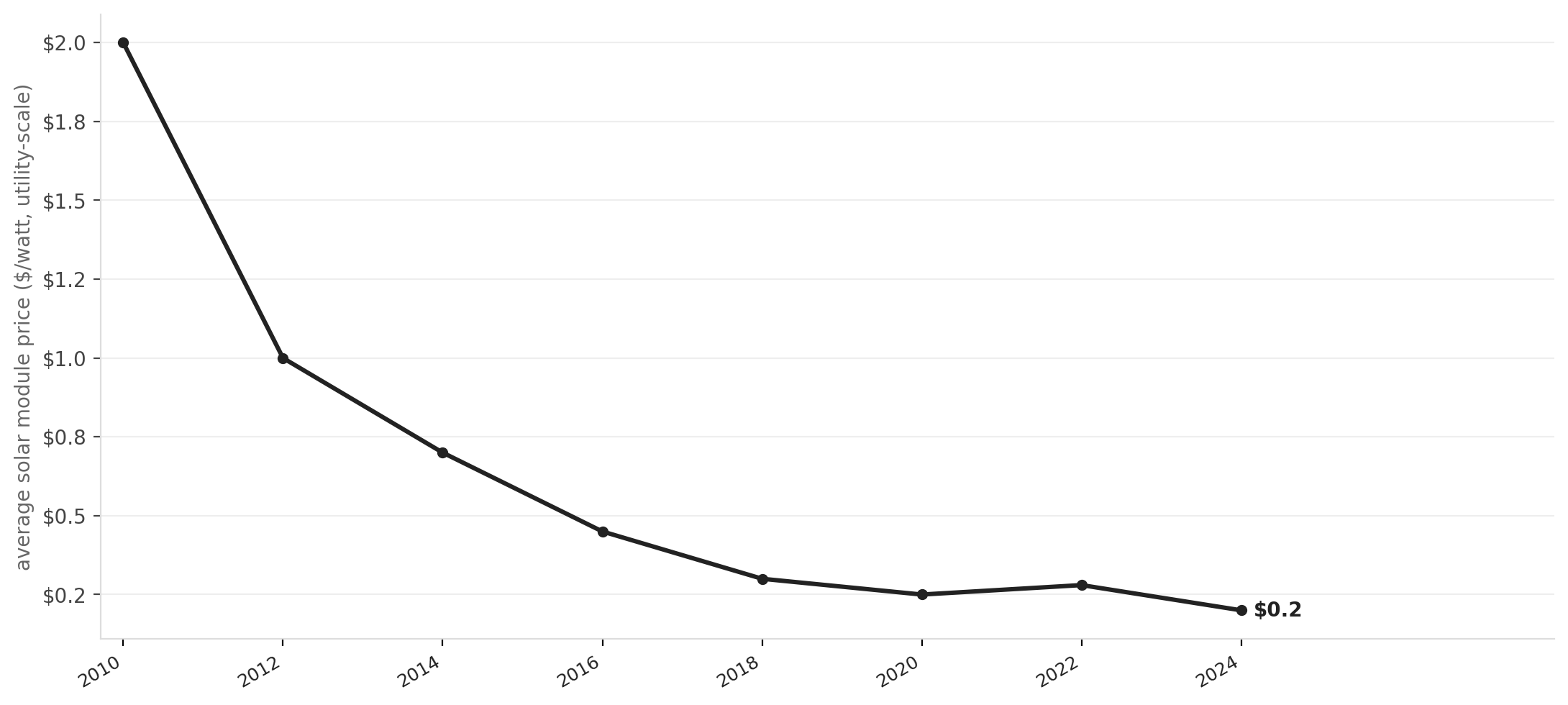
Source: NationGraph.
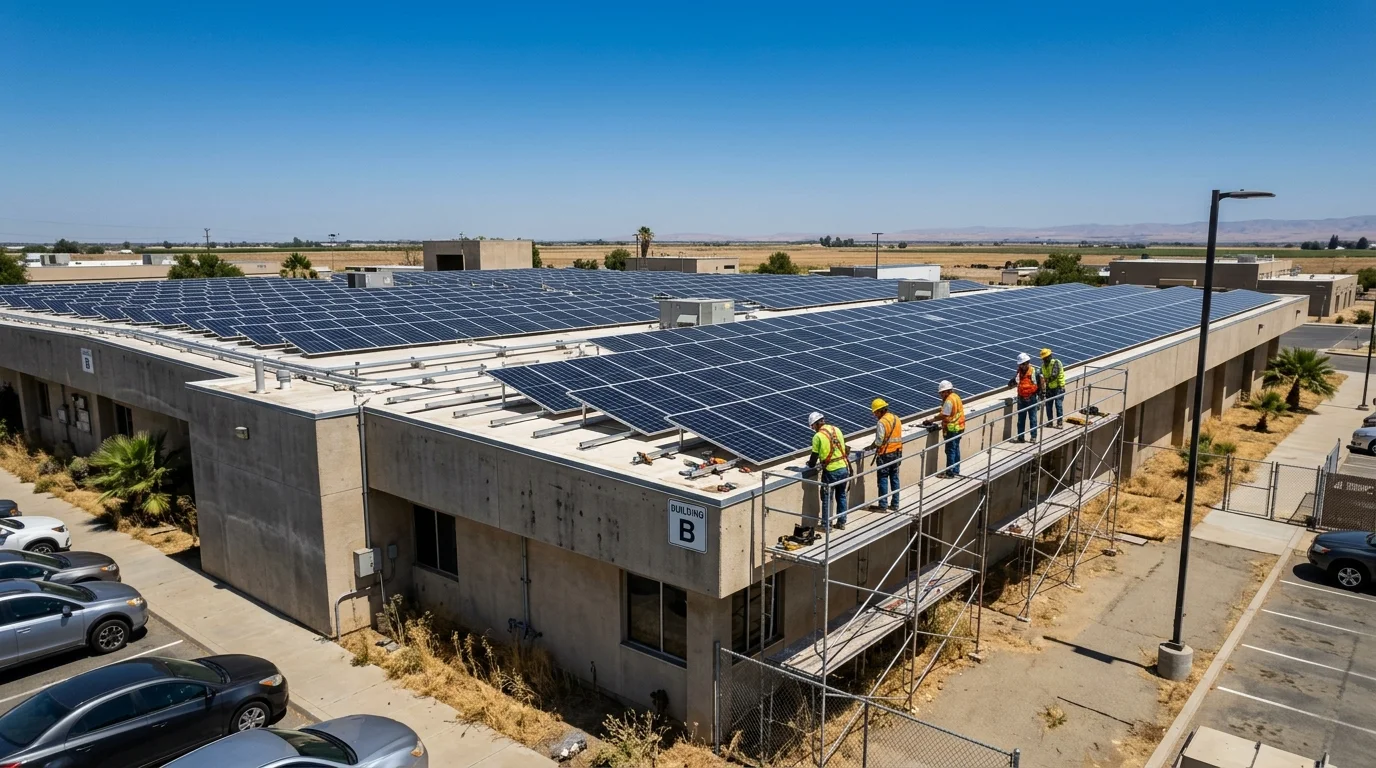
The city has posted an RFP on Michigan's MITN procurement platform seeking contractors to design and install the solar system. The specific capacity, cost, and construction timeline aren't available from the public listing; those details are in the full bid documents. What's clear is that the project is aimed at reducing the plant's dependence on grid electricity and lowering long-term operating costs for a city that, like many mid-sized Rust Belt municipalities, is managing tight budgets against aging infrastructure.
The timing fits a broader pattern. Many municipalities spent 2023 and 2024 doing feasibility studies after the IRA passed, and projects are now reaching the contractor selection stage across the Midwest. Whether Lansing structures this as direct municipal ownership or a power purchase agreement will shape how the long-term savings are distributed, but that decision will come with the selection of a contractor.