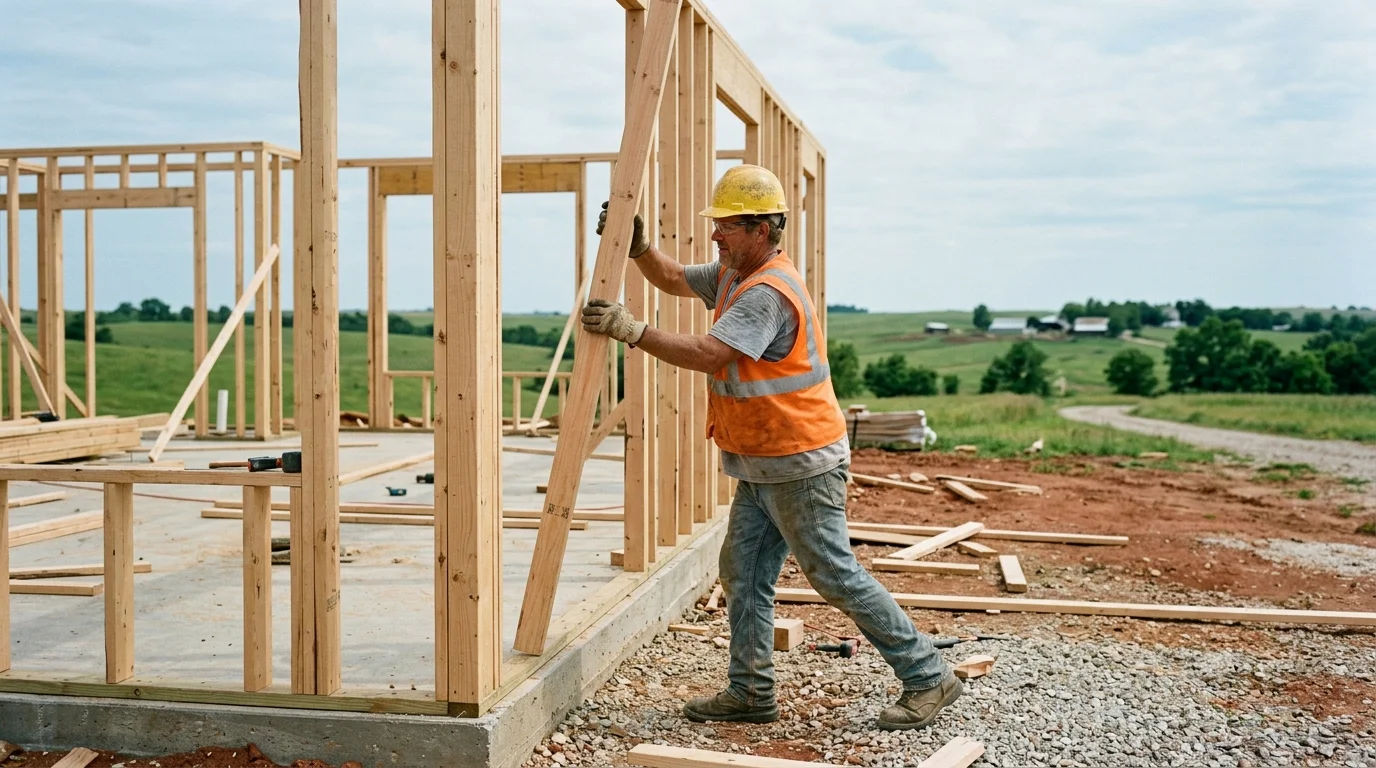
Upper Darby, Pennsylvania is moving forward with a major renovation of the gym at the Watkins Senior Center on Burmont Road, in what would be one of the largest capital investments the township has made in its senior facilities in recent memory.
The project, estimated at more than $2 million, will modernize a gymnasium that has served as a central gathering and activity space for older residents of the township for decades. Upper Darby has already identified a preferred contractor, according to a notice of intent to award posted through the township's public bidding office, though the exact contract value has not been publicly confirmed.
The renovation comes at a consequential moment for Upper Darby, a densely populated inner-ring suburb of Philadelphia with roughly 85,000 residents. The township's population includes a significant share of older adults on fixed incomes who depend heavily on public senior services, and demand for those services has grown as Baby Boomers age. Like many older Northeastern suburbs, Upper Darby built out much of its civic infrastructure in the mid-20th century and has struggled since to keep up with maintenance on aging buildings.
Nationally, senior centers are under pressure to evolve from passive social spaces into active wellness hubs, with modern fitness equipment, accessible design, and programming aimed at managing chronic disease and supporting independent living. Pennsylvania's own state plan on aging has called for exactly that kind of community investment.
The project also carries local political weight. Mayor Barbarann Keffer took office in 2021 and oversaw Upper Darby's landmark transition in 2022 from a commissioner-run township to a mayor-council form of government, the most significant governance change in the municipality in decades. Her administration has repeatedly pointed to deferred maintenance across township facilities as a legacy problem to be solved, and capital projects like the Watkins renovation serve as a visible test of whether the new government can deliver.
One question that remains unanswered is how the township is paying for it. Whether the funds come from Upper Darby's general budget, state or county grants, or pandemic-era federal dollars makes a significant difference for a municipality that has faced persistent fiscal pressure. The township has not publicly specified the funding source.
With a contractor selection apparently finalized, the next step is contract execution and a construction timeline, neither of which Upper Darby has announced publicly.