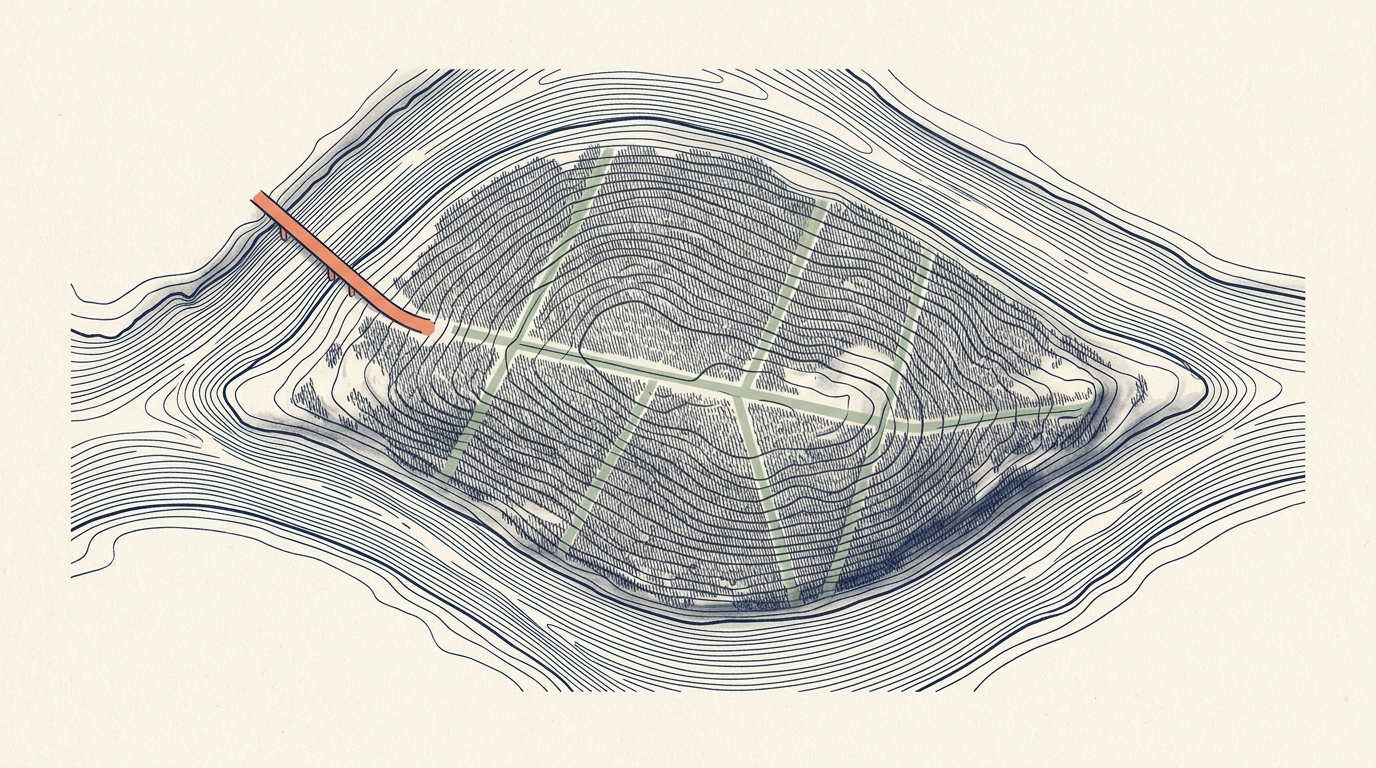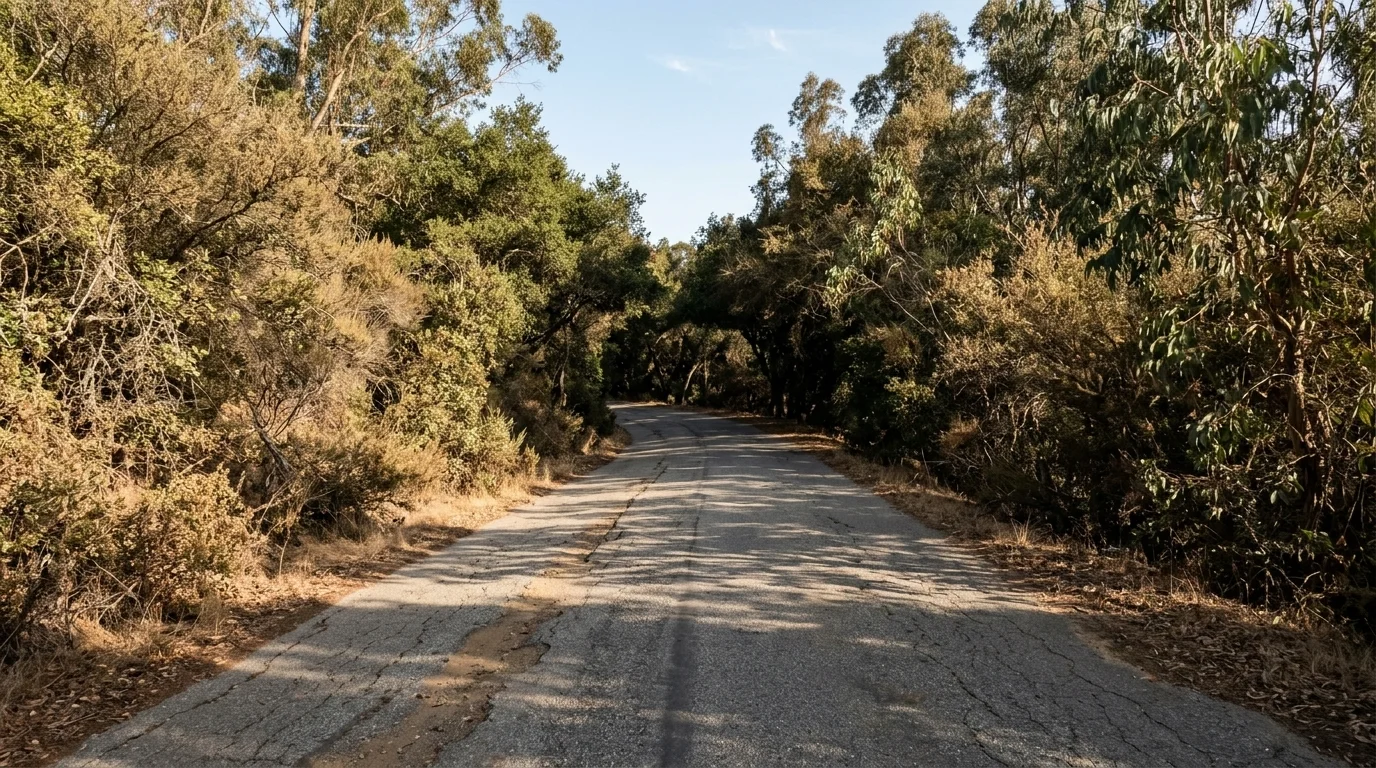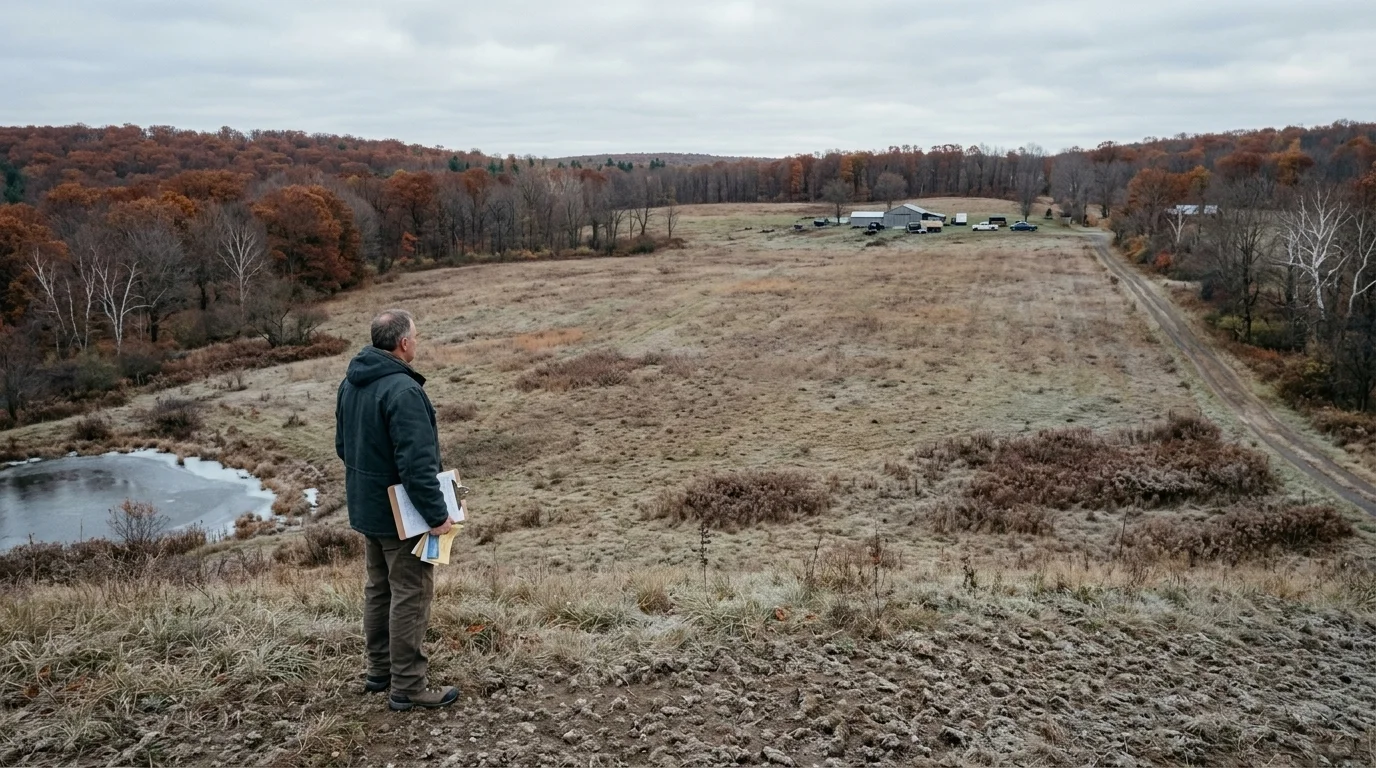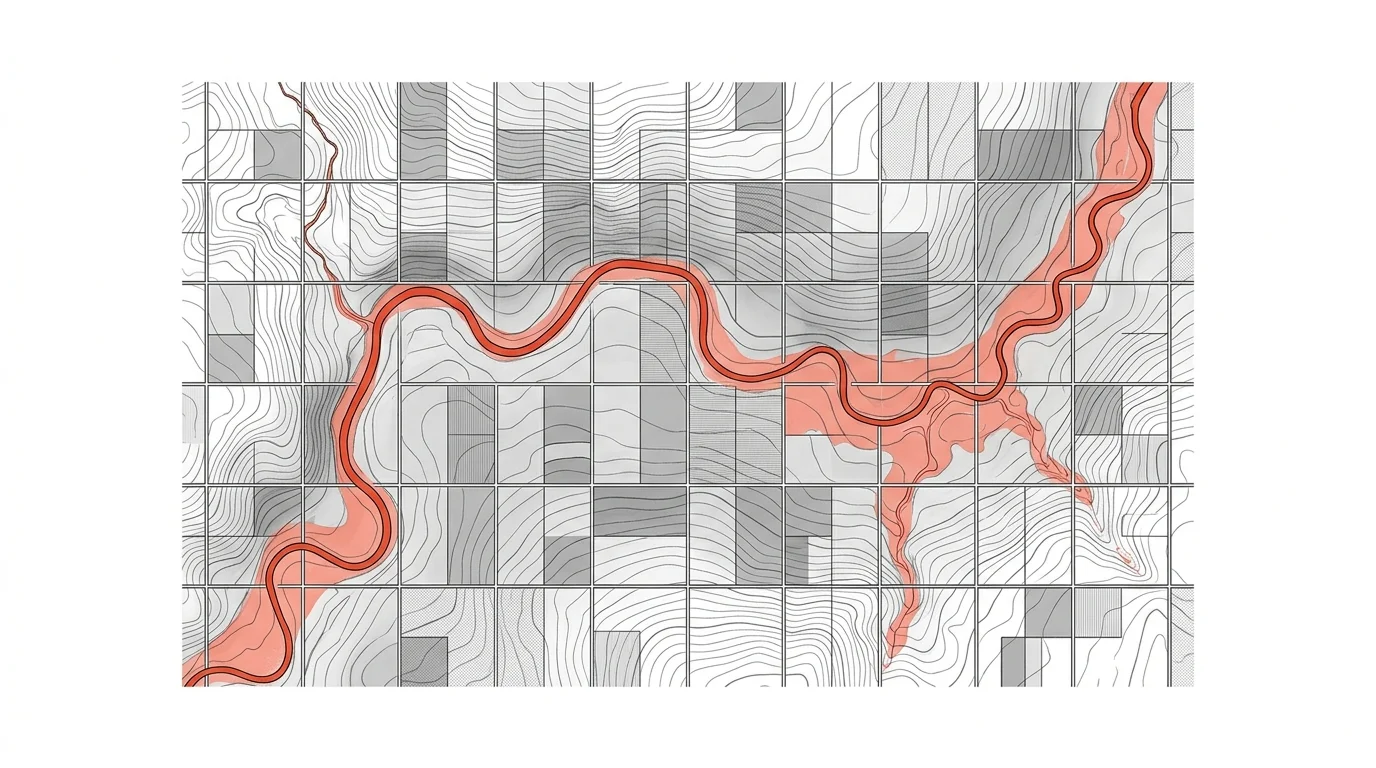
Black Creek in Holmes County, Mississippi, is clogged with debris left behind by storms that swept through the Mississippi Delta in 2024, redirecting floodwaters onto farmland and rural roads in a county that has virtually no capacity to clean it up on its own. Now federal help is on the way.
The U.S. Department of Agriculture's Natural Resources Conservation Service obligated a grant in January 2025 to fund debris removal and watershed recovery work along Black Creek, part of the federal Emergency Watershed Protection (EWP) program. The exact dollar amount has not been publicly specified in available records.
Holmes County sits deep in the Delta, a flat landscape drained by creeks and streams that overwhelm quickly when storms drop heavy rain. Mississippi averages more than 55 inches of rain annually, and NOAA data shows extreme precipitation events in the Southeast have increased roughly 27% since 1958. When waterways like Black Creek fill with downed trees, sediment, and storm wreckage, they back up and push floodwaters into whatever is nearby: fields, unpaved county roads, and the rural communities that depend on both.
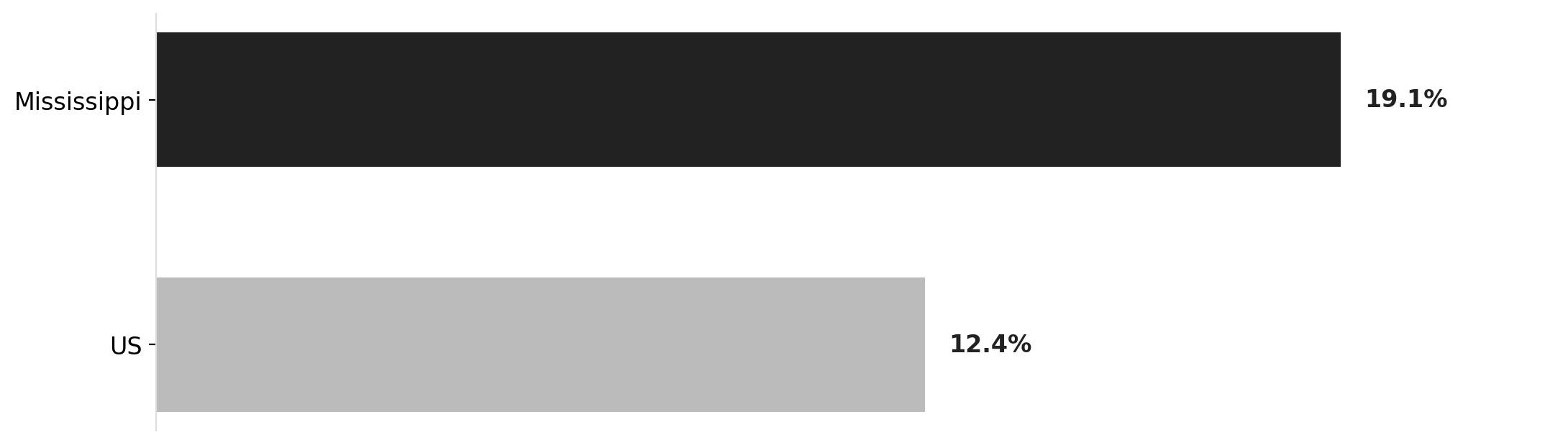
Source: U.S. Census Bureau, American Community Survey.
The county is among the poorest in the United States, with a poverty rate exceeding 40% and a median household income roughly one-third the national average. Its population has fallen from over 27,000 in 1980 to around 15,000 today, hollowed out by decades of outmigration. The local tax base is thin enough that even the reduced cost-share typically required under EWP, usually 25% local and 75% federal, represents a genuine strain. Holmes County may qualify for the program's limited-resource rate, which raises the federal share to 90%.
The EWP program, one of USDA's oldest disaster-response tools, is designed to address exactly this kind of situation: a community hit by a natural disaster that damages waterways and lacks the means to stabilize them before the next storm makes things worse. Similar federal grants have helped clear storm and tornado debris from waterways in DeSoto County, Mississippi and Caldwell County, Kentucky, reflecting a pattern of recurring federal intervention in disaster-prone, low-income communities across the South.
The broader question, one that disaster policy researchers and local officials have raised repeatedly in the Delta, is whether cleanup grants alone are enough when the same communities flood again and again. For now, though, Holmes County will get its creek cleared. Whether the funding amount and scope are sufficient to fully stabilize the watershed remains unclear pending more detailed project records.