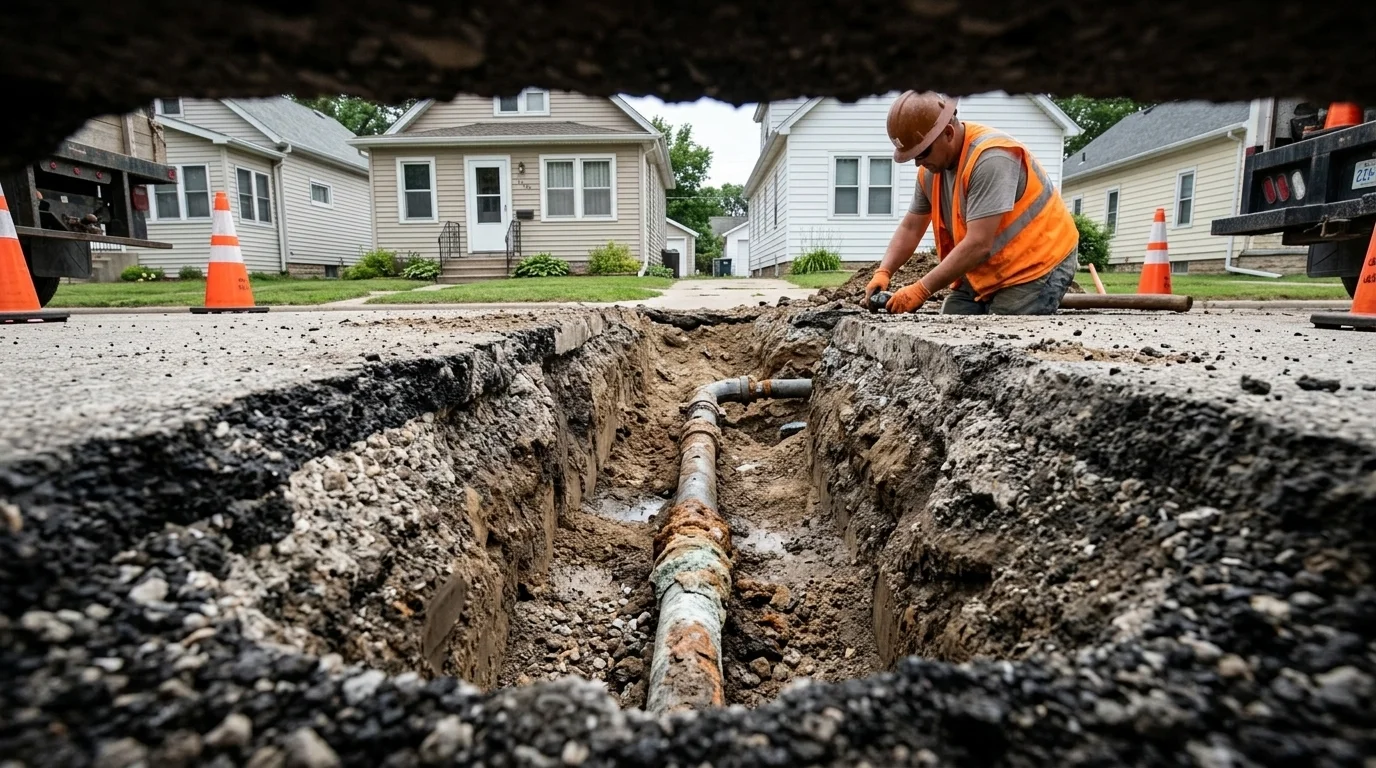
Twelve California public agencies issued stormwater management RFPs for the first time in more than a year, all within a single 30-day window ending September 19, 2026. The roster spans eight counties and includes a port district, a school district, two county governments, a municipal utility, and a city. Agencies that had been quiet on stormwater procurement for well over a year, some far longer, have suddenly converged on the same corner of the consulting market, in the same month.
The force compressing that timeline is not one regulatory event but two, arriving nearly simultaneously from different directions.
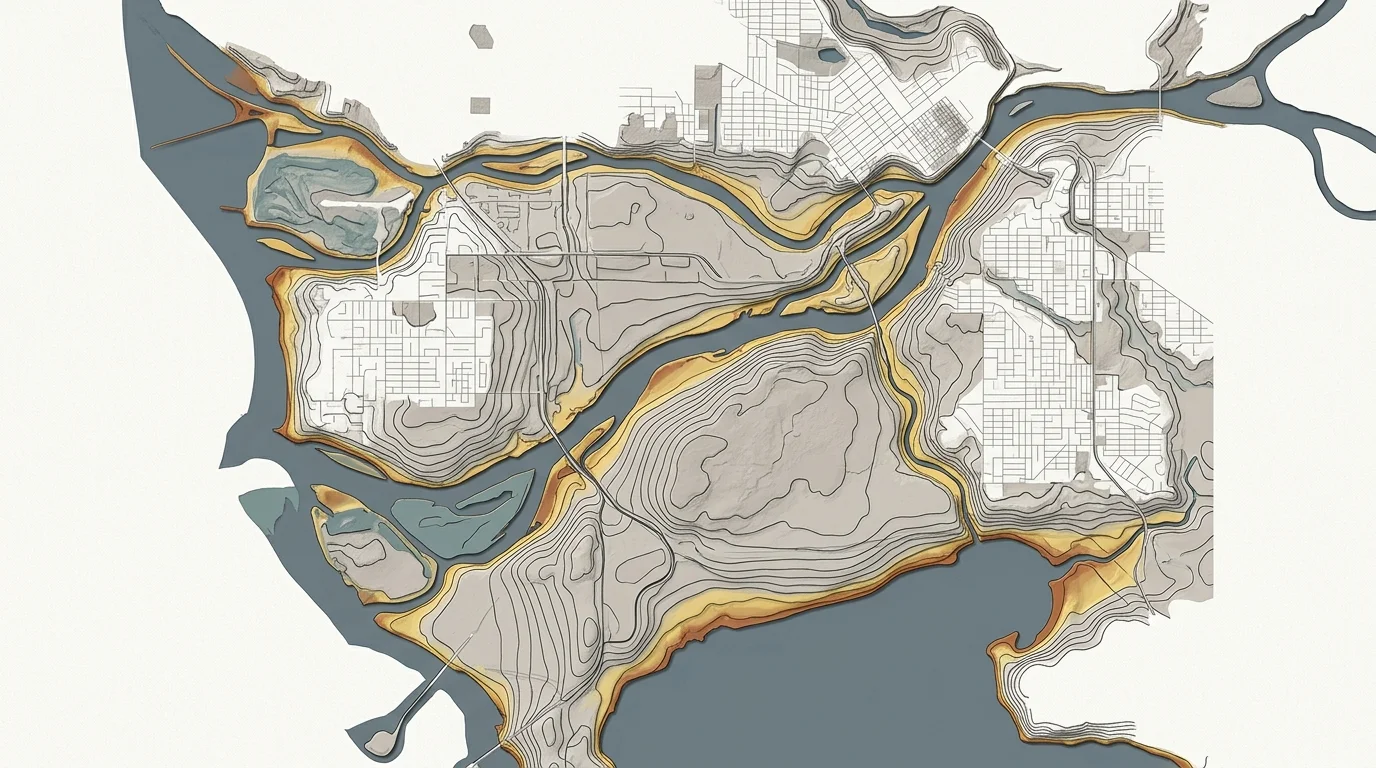
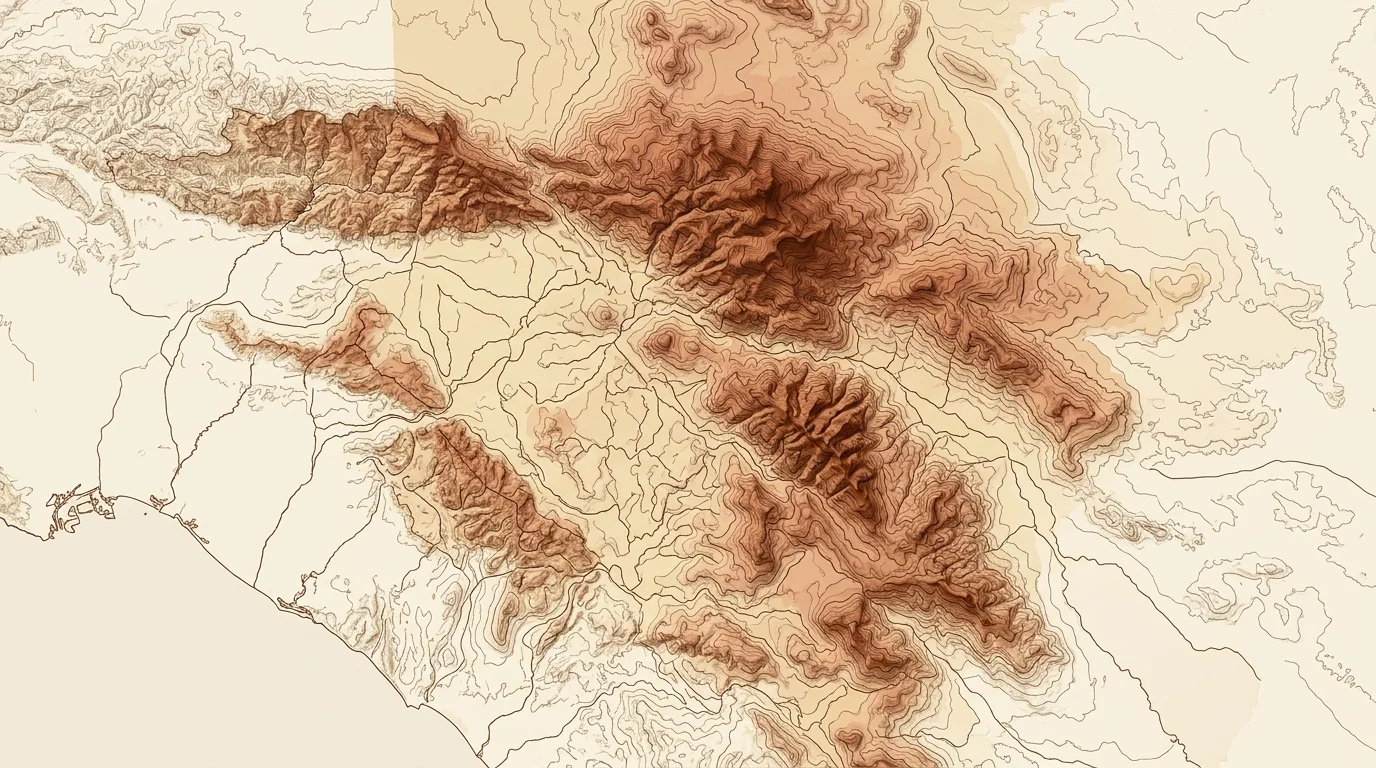
The Santa Ana Regional Water Quality Control Board recently approved a new consolidated Regional MS4 Permit covering Orange, Riverside, and San Bernardino counties. The permit, which takes effect 90 days after approval, replaces three county-level rules that had last been renewed between 2009 and 2012, meaning local agencies in the Santa Ana River Watershed had operated under the same compliance framework for more than a decade. The estimated cost to meet the new permit's requirements: $11 billion, according to regional reporting. A May 2026 industry analysis noted that the new permit's construction-site stormwater provisions would touch nearly every housing project built in the three-county area, leaving public works departments little room to wait.
On a separate track, the State Water Resources Control Board posted a Draft Phase II Small MS4 General Permit for public comment on July 2, 2026, formally signaling the first reissuance of the statewide permit governing smaller municipalities, campuses, and military installations since 2013. Once the new permit is adopted, every covered agency must submit a fresh Notice of Intent, there is no simple rollover from the existing order. Workshops and hearings are already scheduled.
These are distinct instruments. The Santa Ana Regional MS4 Permit is a Phase I order issued by a regional board, governing large urban co-permittees across a specific watershed. The Draft Phase II permit is a statewide general permit issued by the State Water Board, covering hundreds of smaller entities with different programmatic requirements. They were written by different bodies, cover different permittee classes, and impose different obligations. But their timelines are colliding in the second half of 2026, and the result is a statewide squeeze on stormwater consulting and construction capacity.
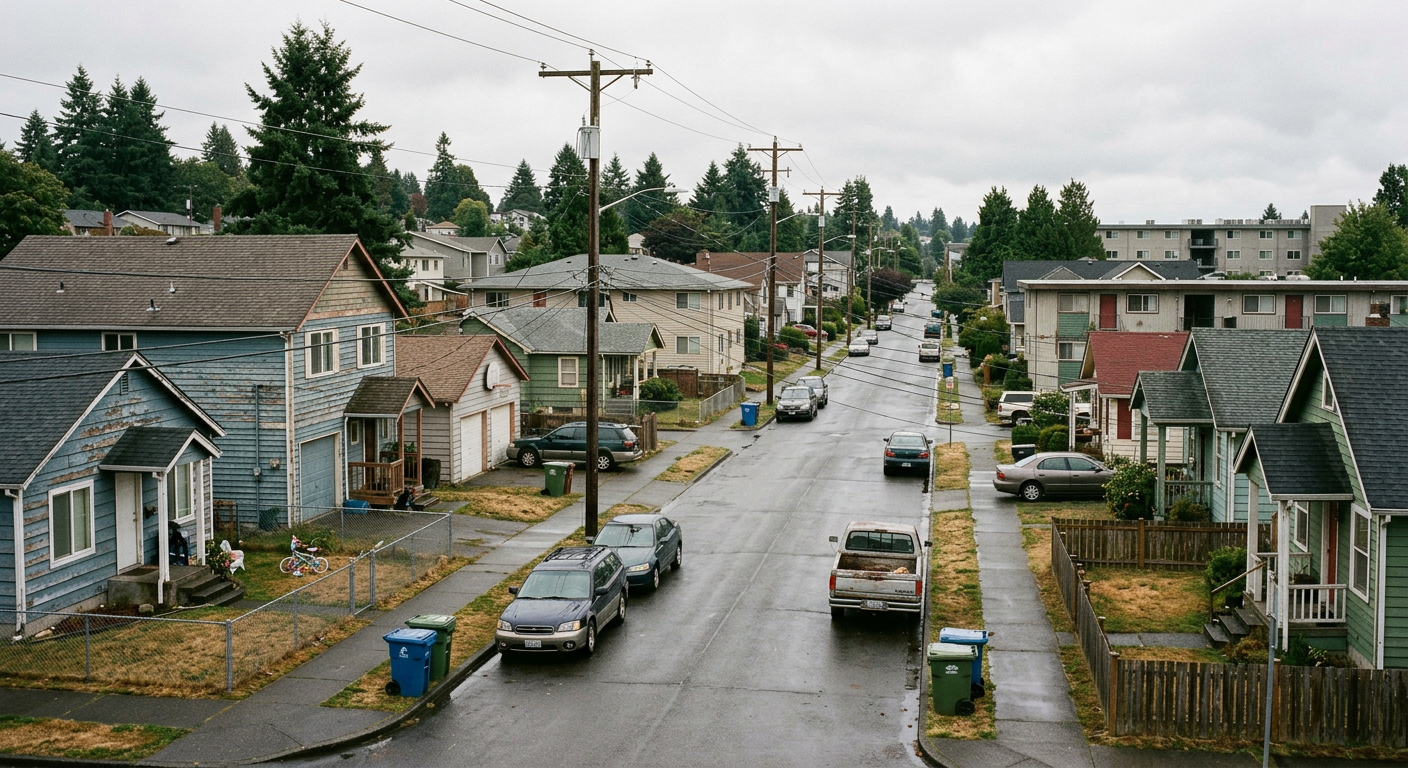
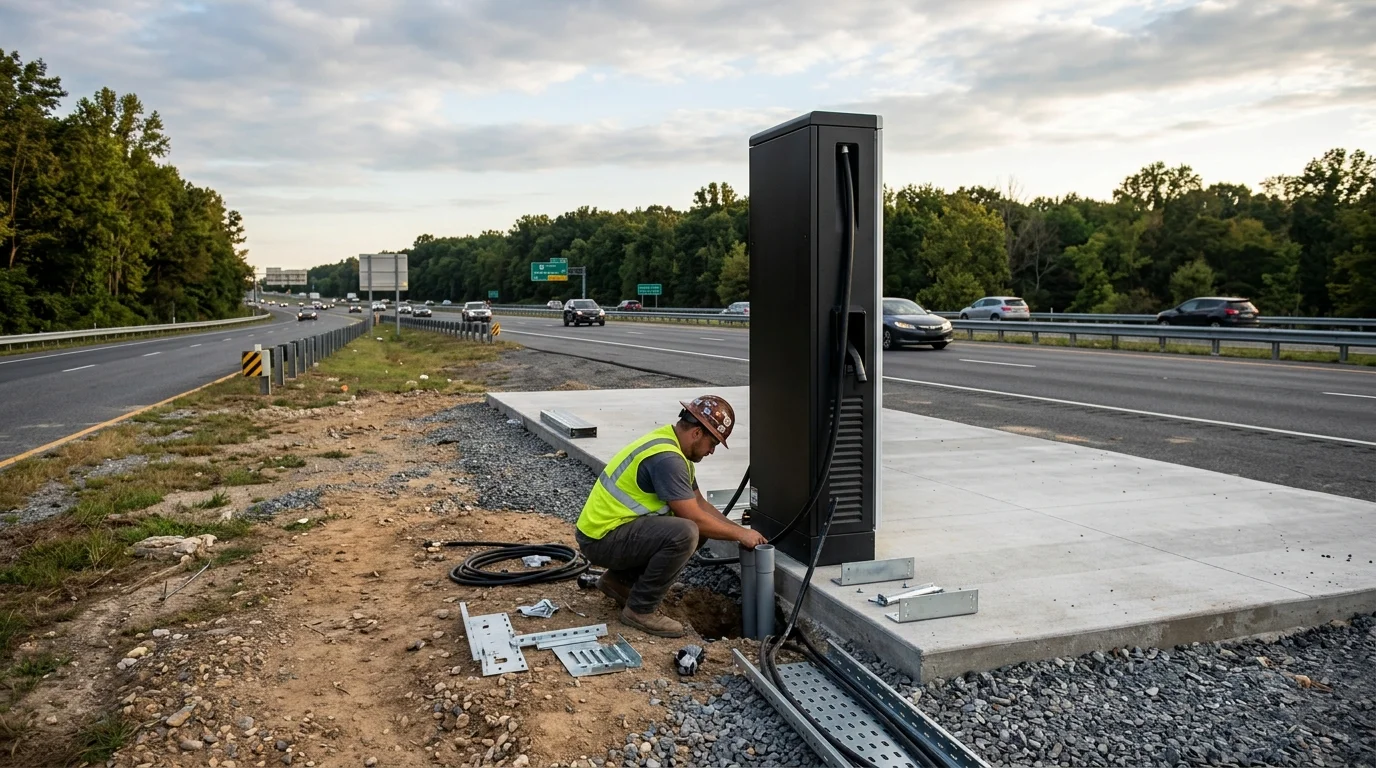
The breadth of September's first-time filers illustrates how far that squeeze extends. Sonoma County is seeking help with storm damage repair. Merced County posted an RFP tied to Black Rascal Creek flood control. The Port of Stockton is looking for stormwater field services consulting. Sacramento Municipal Utility District issued a solicitation for construction and post-construction stormwater program support. The city of Rancho Santa Margarita, deep inside the Santa Ana watershed, is procuring stormwater treatment best-management practices. Lodi Unified School District posted an RFP for a stormwater pump station at Ronald E. McNair High School. These are not agencies working on adjacent problems. They are agencies working on the same compliance reckoning from eight different counties and four different institution types.
California's stormwater permitting architecture is the most layered in the country: regional Phase I permits for large urban watersheds, a statewide Phase II permit for smaller municipalities, and sector-specific permits for Caltrans, industrial dischargers, and construction sites. The Santa Ana River Watershed alone covers 2,650 square miles. When even two tiers of that system reissue simultaneously, the procurement signal is not subtle. California issued 23 stormwater-related RFPs in the trailing 30 days, second only to Florida's 38 among major peer states, in a month running well above the 15-to-21 monthly average of recent non-peak periods.
Federal dollars are part of the picture, though not the primary driver. The EPA's Sewer Overflow and Stormwater Reuse Municipal Grant Program currently has roughly $11.7 million active in California, disbursed to the State Water Resources Control Board for sub-allocation: $7.4 million running through 2027 and another $4.3 million through 2029. For agencies that can qualify, those grants offset a portion of compliance infrastructure costs. But the permit mandates would apply regardless, and the compliance costs in the Santa Ana region alone dwarf the available federal backstop by orders of magnitude.
For local officials and contractors, the immediate signal is capacity. Twelve agencies breaking a year-long silence in a single month means the pool of qualified stormwater consultants and program managers is absorbing a compressed demand spike. Agencies that move slowly on their RFP timelines risk competing for the same firms against jurisdictions that filed earlier.
The next signals to watch are the Phase II public comment period and the formal adoption hearing. Once the State Water Board sets an effective date for the new Small MS4 permit, every covered municipality faces a hard deadline for submitting its Notice of Intent. That date will determine whether September's procurement surge was the leading edge of a longer wave or only its first crest.