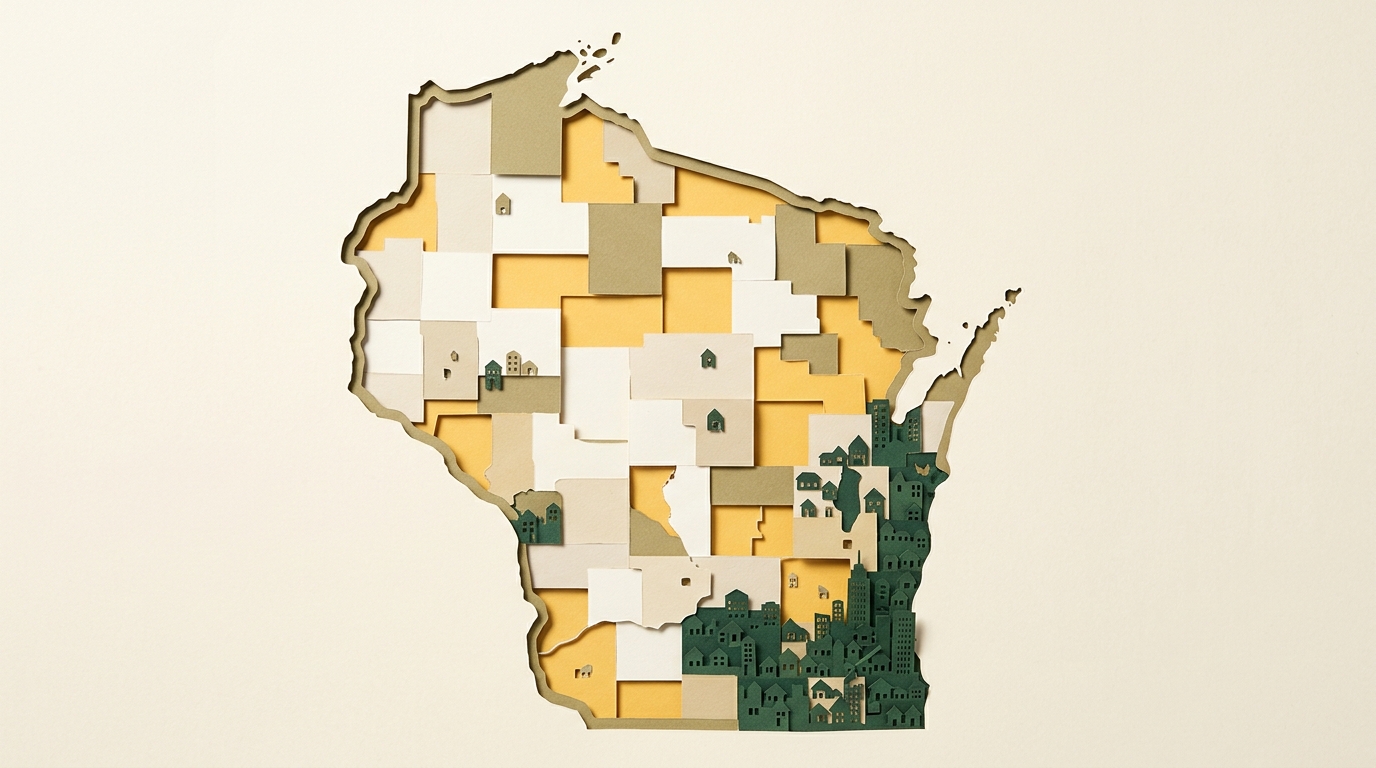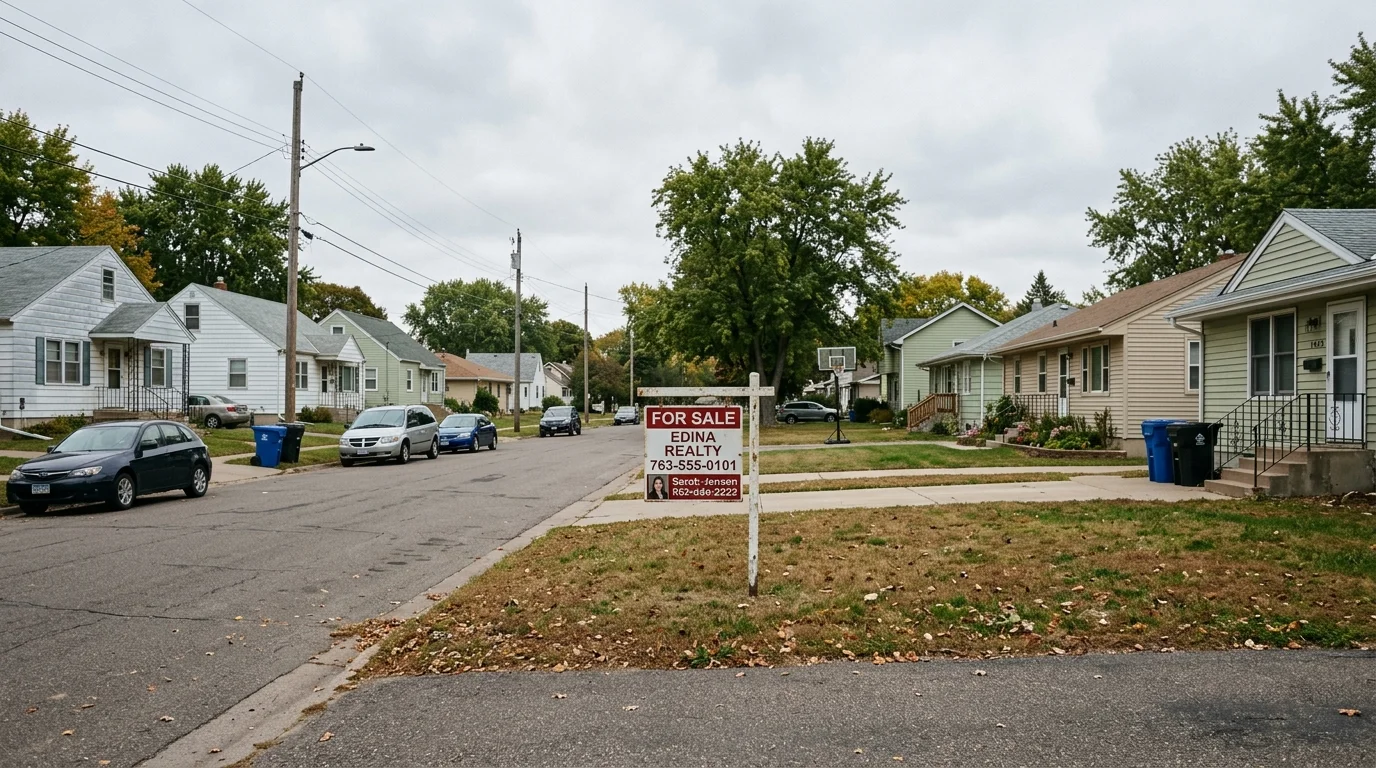
Eleven Minnesota institutions issued a housing request for proposals in the last 30 days, the most concentrated burst of local housing procurement activity the state has seen in over a year, and it happened in the months immediately following the collapse of the one bill that was supposed to make it unnecessary.
The Minnesota Starter Homes Act (HF 1987/HF 3895), a bipartisan bill that would have legalized duplexes, accessory dwelling units, and smaller lot sizes statewide by limiting municipal zoning authority, lost a House committee vote in spring 2026 before the session adjourned May 18. Cities that had spent a year watching the Capitol debate whether to mandate zoning reform suddenly faced a simpler question: if no one is going to make us, what do we do now?
The answer, across metro suburbs and Greater Minnesota alike, appears to be: start planning anyway.
The Metropolitan Council issued an RFP on September 2 for its Housing Forward Cities and Missing Middle Project, directly funded by a $5 million HUD PRO Housing grant that was obligated in January 2025 and runs through September 2030. The grant targets 32 cities across the seven-county metro and provides technical assistance on ordinance review, land use policy, and zoning barrier removal, the exact policy groundwork the Starter Homes Act would have imposed by statute. The Met Council is doing it with federal dollars and a coalition instead.
The city of Edina issued its own Affordable Housing Policy Consultant and Inclusionary Housing Economic Calibration Study RFP on August 21, with responses due October 5. It is the city's first housing policy procurement in over a year. Edina is exactly the kind of first-ring suburb the Starter Homes Act was designed to reach; its voluntary move suggests the bill's pressure, even in failure, had a lasting effect. At the other end of the state's geography, Crookston issued an RFP on September 2 to redevelop a former Diocese site into residential housing, a signal that the planning surge is not limited to the metro.
The broader funding backdrop makes the timing sensible. Minnesota carries an active HUD housing grant portfolio of $677 million across 679 grants currently running statewide, with an additional $141 million from HHS and $161 million from DOT. Cities that update their housing plans now are better positioned to compete for those dollars. Minnesota Housing's 2026 Multifamily Consolidated RFP and 2027 Housing Tax Credit Round 1 had an application deadline of July 9, 2026, creating a competitive forcing function for local governments that had not refreshed their housing policies: jurisdictions without updated plans risked being uncompetitive before the round even opened.
Congress added another incentive in July 2025. H.R. 1 lowered the tax-exempt bond financing threshold required to qualify multifamily projects for 4% Low-Income Housing Tax Credits from 50 percent to 25 percent, potentially qualifying a larger share of Minnesota developments for federal credits. That change gives developers a new financing tool and gives local governments a concrete reason to update their housing plans to capture projects that could now pencil out in ways they couldn't before.
The Metropolitan Council's Imagine 2050 regional plan, updated in 2025, adds a third layer of pressure distinct from both the federal grant and the failed state bill. The plan sets specific housing production targets for each municipality in the seven-county metro. Cities that fall behind those targets risk conflict with the Council during the next comprehensive plan review cycle, a compliance pressure that exists entirely independently of what happened in the legislature.
These three levers, the federal PRO Housing grant, the competitive state funding calendar, and the regional plan's municipal targets, converged in mid-2026 with no state preemption law to either accelerate or replace them. The result is a distributed wave of planning activity that looks less like a coordinated policy push and more like 11 institutions arriving at the same conclusion from different directions.
Minnesota is estimated to be roughly 100,000 housing units short of need, with more than 590,000 cost-burdened households statewide. The Twin Cities metro produced only 37 percent of its forecasted affordable housing need between 2011 and 2020. Minneapolis eliminated single-family-only zoning in 2020 under its Minneapolis 2040 plan; the suburbs largely watched. What's different now is that the suburbs have a structured program offering them technical help, a funding competition rewarding preparation, and a regional planning process that will ask them to account for what they did or didn't do.
The next signal to watch is how many of the 32 cities targeted by the Met Council's PRO Housing program submit responses to the Housing Forward Cities RFP, and whether Edina's inclusionary zoning calibration study produces an ordinance update before the end of the year. The Minnesota Housing Finance Agency's 2026 HUD Annual Action Plan consultant RFP, issued September 16 with responses due October 5, will also indicate how aggressively the state intends to use its federal entitlement dollars in the absence of a statewide zoning reform. The legislature failed to set a floor. The question now is whether cities build one themselves.