Massachusetts filed 18 mental health RFPs in the past 30 days, roughly double its 12-month monthly average of nine, and the split between who is filing, and why, tells the story of how a state simultaneously chases federal dollars it no longer fully trusts.
The surge runs on two separate tracks. On the federal side, Massachusetts DPH has flooded the pipeline with Notice of Intent filings tied to expiring SAMHSA windows, including NOFO TI-26-014, the State Pilot Program for Treatment for Pregnant and Postpartum Women, which posted June 12 with a July 15 deadline. That single NOFO accounts for a cluster of DPH filings in late June and early July covering opioid State Targeted Response funding, the SPF-Partnership for Success initiative, pediatric mental health access, and SUD treatment for pregnant women. On the state side, the City of Boston has moved its Community-Led Mental Health Crisis Response Pilot from planning to procurement, issuing both a service-vendor RFP and a separate external-evaluator RFP, both due August 21.
Three agencies account for the entire surge: DPH with eight filings, Boston with four, and UMass Medical School acting as DPH's administrative arm for a Department of Mental Health time-study contract. Even after deduplicating entries, roughly 13 distinct procurement actions cleared the pipeline this month. New York managed six mental health RFPs in the same window. New Hampshire had three. Connecticut had two.
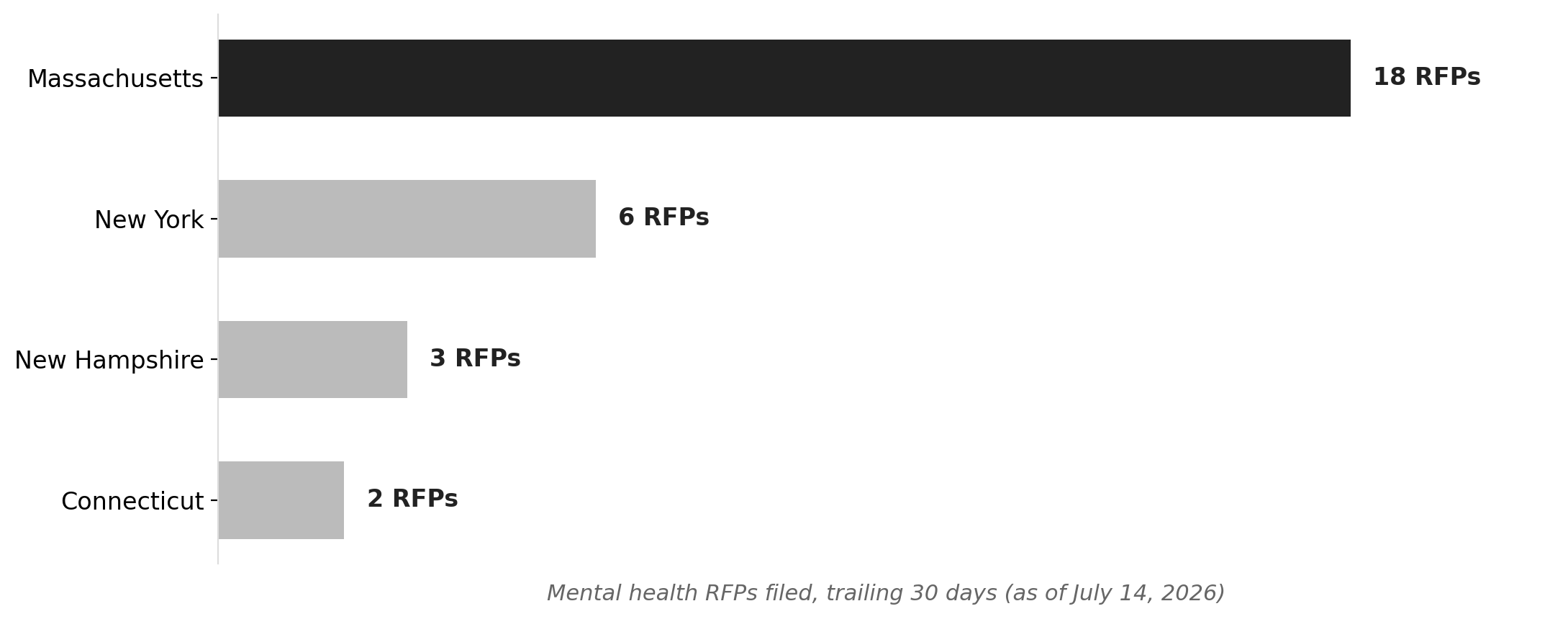
Source: NationGraph.
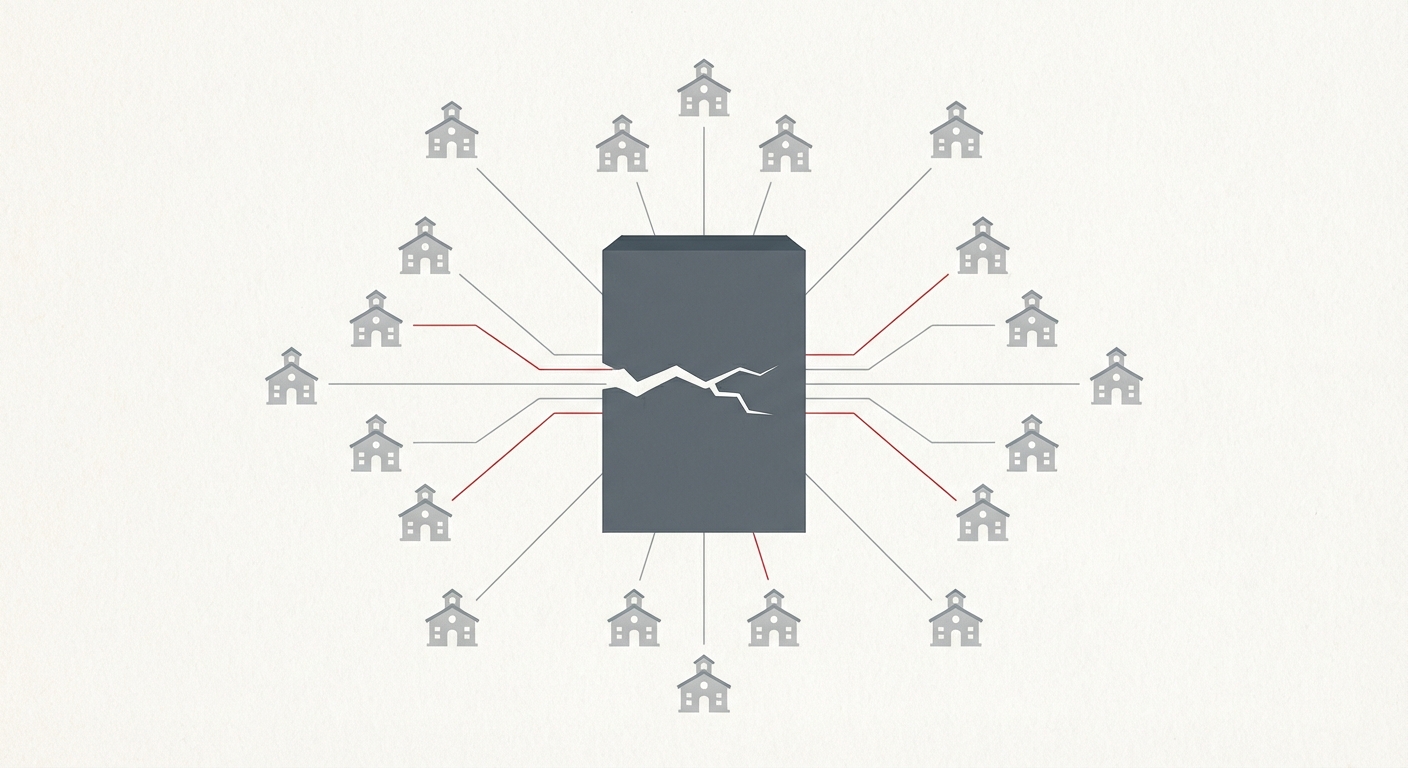
The backstory to all of this is January 13, 2026. The Trump administration terminated more than $5 million in SAMHSA grants to Massachusetts DPH and DMH effective immediately, then reversed course within 24 hours after Governor Healey publicly condemned the cancellations and Attorney General Andrea Campbell threatened to sue. The reversal offered little comfort to state agencies that had just watched their entire federal behavioral health portfolio flash red simultaneously. WBUR reported at the time that Massachusetts receives more than $200 million annually in federal SUD and mental health funding, an exposure that, after January, suddenly felt less like a budget line and more like a single point of failure.
The institutional response has been to run both tracks harder. The DPH filings are a direct expression of the first instinct: lock in every available federal grant before the next termination notice arrives. The active federal portfolio beneath this activity is substantial, the DMH Community Mental Health Block Grant carries $19.6 million through September 2026, and DPH's Opioid STR grant holds $121 million through 2027, but those clocks are running. Racing to refill the pipeline before SAMHSA's priorities shift again is rational.
The second track reflects a different calculation. Governor Healey signed the FY27 budget on July 9, allocating a record $1.34 billion to the Department of Mental Health, money that arrived after advocates beat back $83 million in proposed DMH cuts earlier in the budget cycle, according to NAMI Massachusetts. That appropriation unlocks new state-side contract authority that doesn't require a federal counterpart. Boston's MHCR pilot, the culmination of a five-year community design process, is the most visible example: a non-police crisis response model built for neighborhoods with longstanding concerns about law enforcement involvement in mental health calls, now actively procuring vendors with state and city funds.
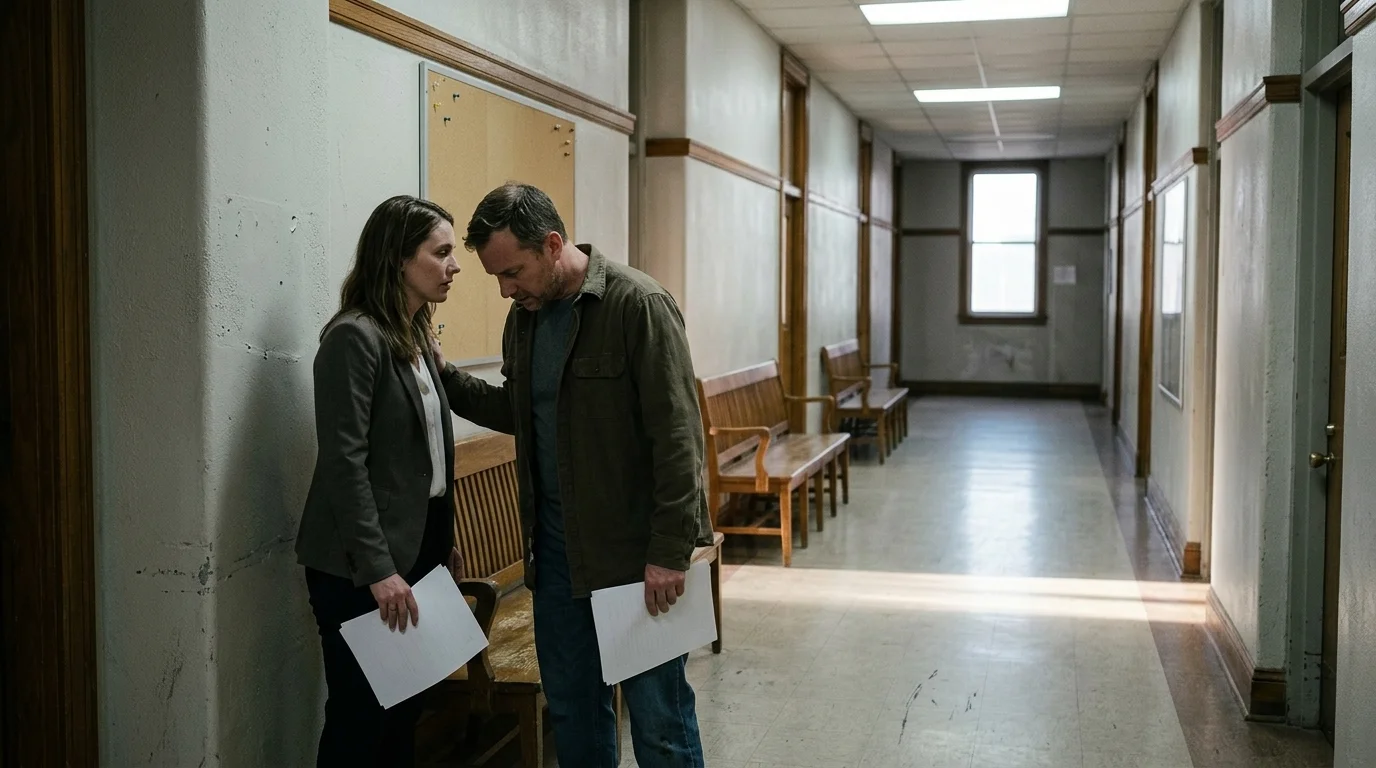
The FY27 budget also includes a $250,000 earmark for a Berkshire County alternative crisis response task force, inserted after the January 2026 police killing of a man experiencing a mental health crisis in Hinsdale. That earmark is small in dollar terms, but its origin is significant: it represents the legislature writing a policy response to a specific incident directly into the budget, in a section of the state far removed from Boston's pilot.
For Massachusetts residents, the near-term effect is a behavioral health services market in active expansion on both ends. Community-based programs competing for DPH SAMHSA pass-through dollars are looking at a compressed July application window. Organizations capable of running non-police crisis response at neighborhood scale in Boston are facing an August 21 deadline. Providers in Berkshire County will soon have a task force standing up with state resources behind it.
The next signals to watch are sequential. The July 15 SAMHSA deadline will determine how much of the DPH NOI cluster converts into actual grant awards, and whether Washington's review of TI-26-014 applications holds to its published timeline given the broader federal budget environment. Boston's August 21 evaluator deadline will produce a contract that, by design, will measure whether the city's non-police model reduces crisis-related arrests and emergency department visits. And the DMH Block Grant, at $19.6 million, expires in September: if renewal stalls, the state will find out quickly how much its new $1.34 billion appropriation was built to absorb the gap.