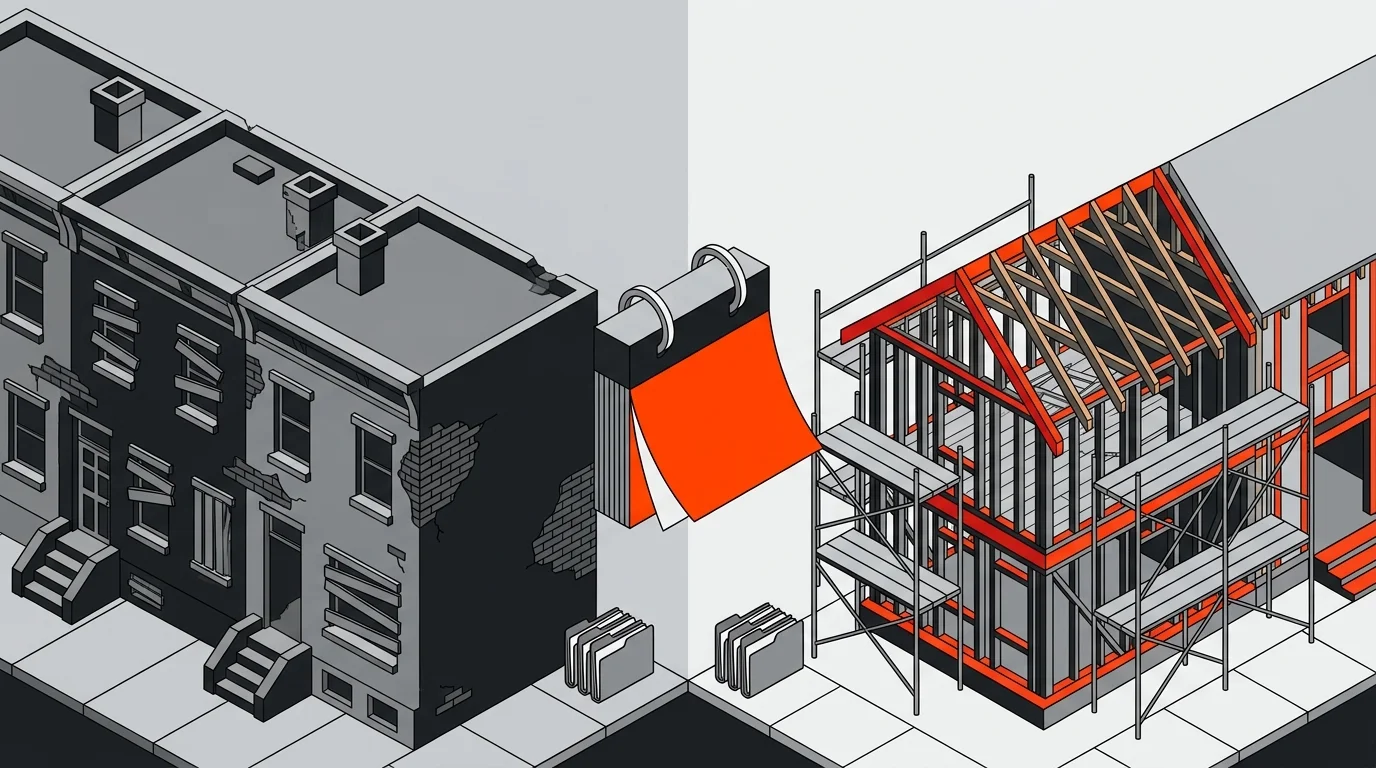
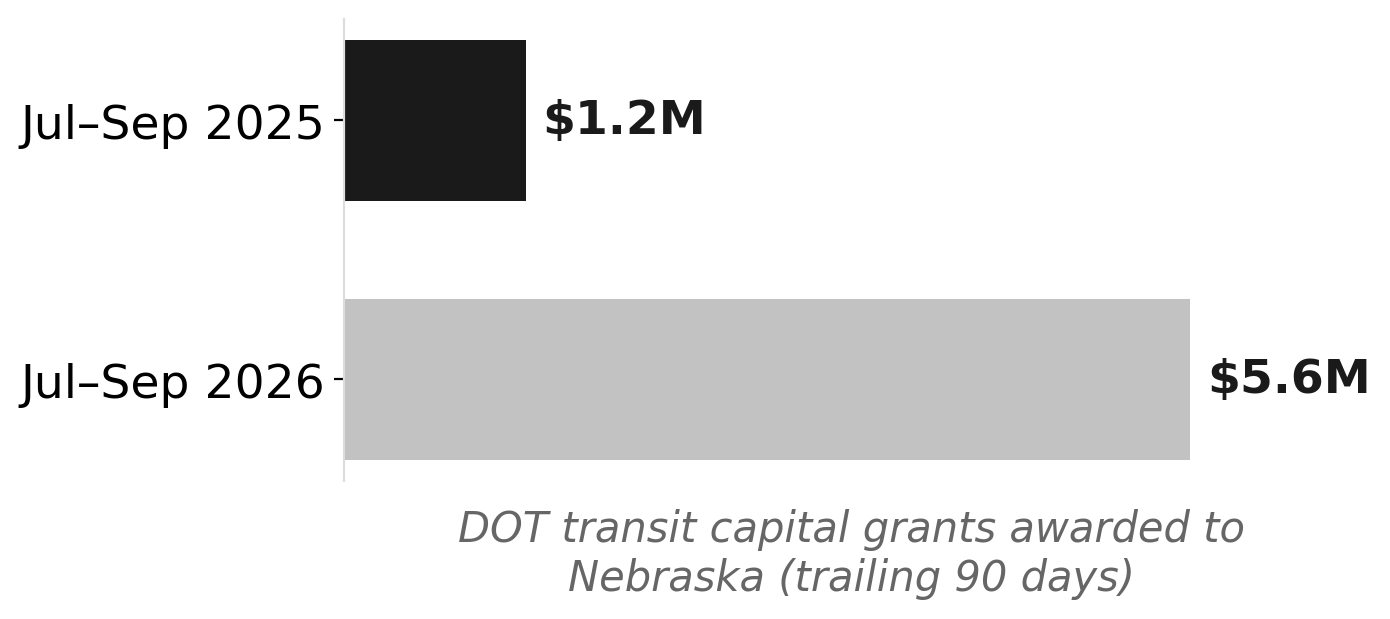
Federal transit grants flowing into Nebraska reached $12.45 million in the trailing 90 days, up 85 percent from $6.74 million in the same window last year. Strip out keyword noise and look only at Department of Transportation awards, and the increase is sharper: roughly $5.6 million in pure transit capital since July 2026, compared to about $1.2 million in the same period last year, a nearly fivefold jump. The money is landing through four distinct federal programs at once, and one state agency is the chokepoint through which most of it flows.
The catalyst is the Full-Year Consolidated Appropriations Act, 2026 (P.L. 119-75), signed February 3, 2026, which released $20.6 billion in FTA formula and competitive apportionments nationally. The Federal Transit Administration followed with a $388 million Bus Competitive Program award round in February, covering 34 projects across the country. Then, on July 27, 2026, FTA posted a joint notice of funding opportunity for $610 million in FY2026 Bus and Low-or-No Emission grants, with applications due September 21. Nebraska is currently inside that application window, meaning the state is absorbing one round of awards while preparing submissions for the next.
The Nebraska Department of Transportation is the institution that makes this work, and the one that can create a bottleneck. Under FTA rules for rural states, NDOT serves as the consolidated applicant for FTA Section 5311 Formula Grants for Rural Areas, collecting applications from sub-recipients across the state's largely rural 93 counties and submitting them to FTA as a single package. That structure means NDOT sets its own internal deadlines ahead of the federal ones. In January 2025, NDOT announced FY2026-2027 rural transit funding availability with a March 2025 application deadline; those awards are now obligating in summer 2026, which is part of what is driving the current spike.
Source: NationGraph.
In the August 2026 award window alone, NDOT collected three separate Buses and Bus Facilities grants: $2.07 million running through June 2027, $1.98 million through December 2029, and $694,000 through December 2027. A fourth award, $330,000 under the Section 5310 Enhanced Mobility of Seniors and Individuals with Disabilities program, also landed with NDOT in July. Lincoln received $287,000 under the Bus and Bus Facilities program and $240,000 in Federal Transit Formula funds, both starting August 27, 2026. These are capital grants, not operating subsidies, they fund vehicle purchases, facility construction, and related equipment, investments with a shelf life measured in decades rather than fiscal years.
That distinction matters in Nebraska, where transit has historically been funded mostly through operating assistance that keeps existing buses running rather than replacing them. The current tranche is different in kind. The Bus and Bus Facilities Competitive Program (49 U.S.C. 5339(b)) and the Low-or-No Emission program (49 U.S.C. 5339(c)) are competitive capital programs with different eligibility criteria and target populations than the formula-driven Section 5311 and Section 5310 streams. All four draw from the same FY2026 appropriation, but they should not be read as one program: a rural county receiving Section 5311 pass-through funds is getting formula-apportioned operating and capital assistance routed through NDOT, while a city competing for Bus Competitive dollars is winning a national grant on its own application merits.
The active Nebraska transit portfolio shows how much is already in motion behind this new infusion. NDOT holds a $37.6 million Rural Formula grant running through 2028. Lincoln carries $25.8 million and $10 million in separate formula grants. Omaha's Regional Metropolitan Transit Authority has $20.5 million in active formula funds through 2030. The new awards are layering on top of that base, not replacing it.
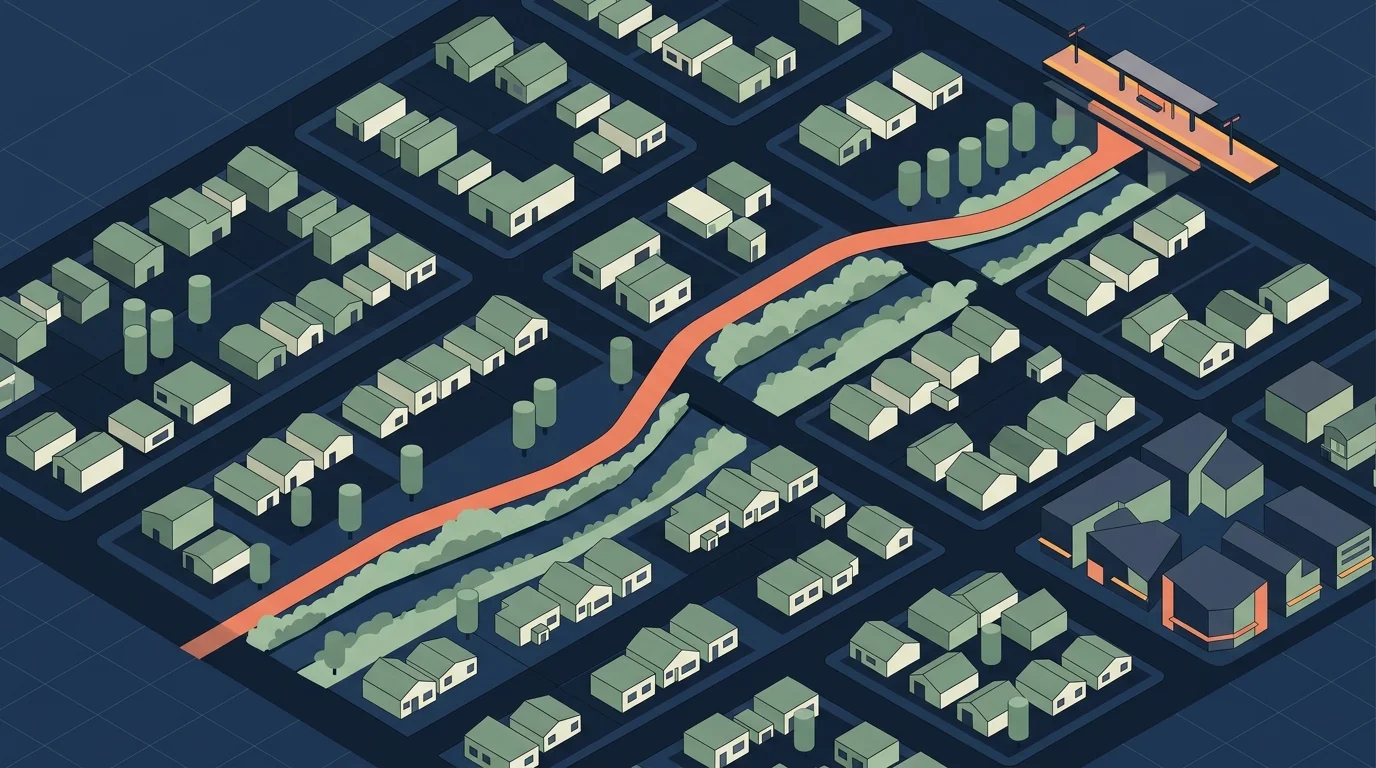
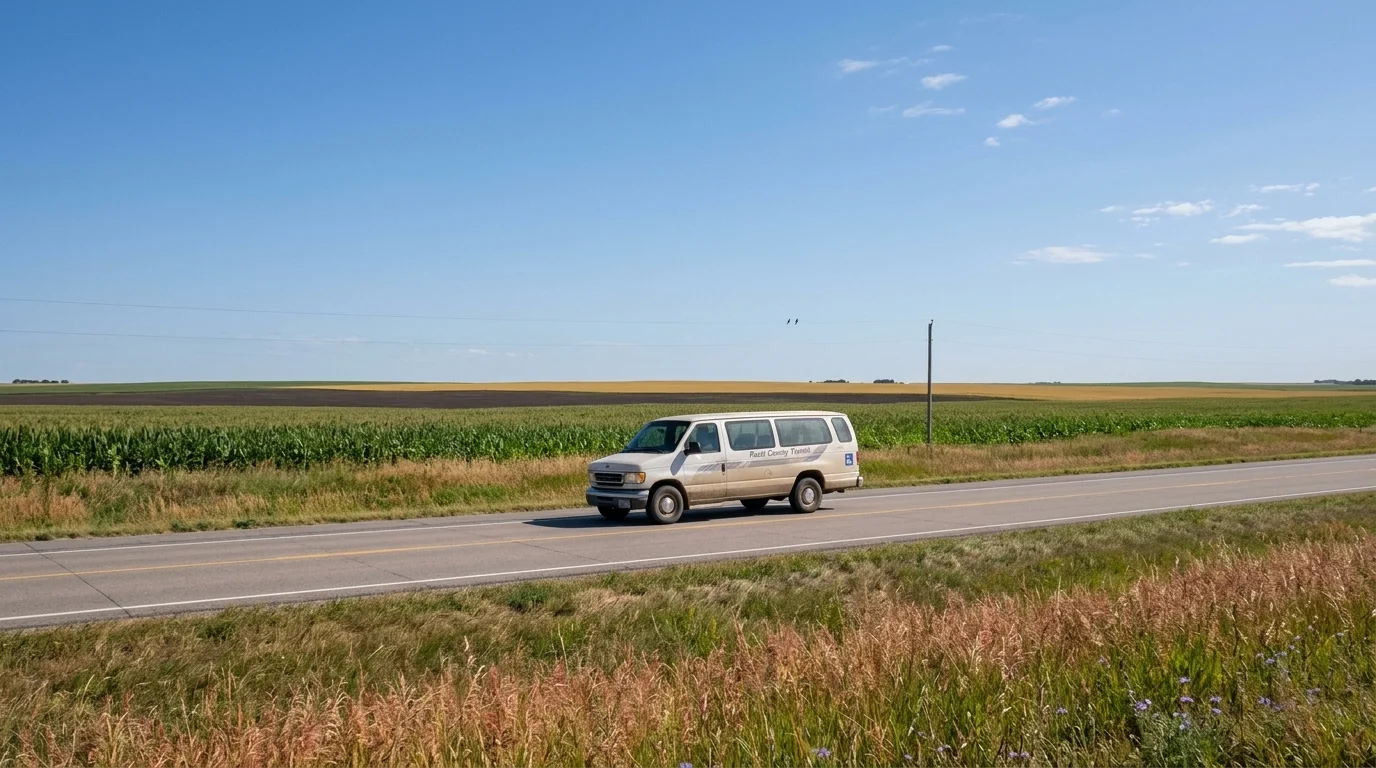
For residents in the roughly 80 Nebraska counties that fall below the 50,000-person threshold making them Section 5311 eligible, the practical stakes are concrete. In a car-dependent state with limited fixed-route service outside Omaha and Lincoln, a rural transit vehicle is frequently the only available connection to a medical appointment, a job site, or a regional service center. Fleet age is a persistent constraint; when buses are too old to pass inspection, service gaps follow. Capital grants that buy new vehicles extend the window before those gaps open.
The next signal to watch is whether Nebraska submits a competitive application under the joint $610 million Bus and Low-No NOFO before the September 21 federal deadline. Given NDOT's role as consolidated applicant, the effective state deadline is earlier. A Low-or-No Emission award would mark a qualitative shift for Nebraska's fleet, the state has virtually no zero-emission transit vehicles at scale, and would set up a charging infrastructure build-out question that the current round does not yet answer.