Washington's Metro system, which serves roughly 600,000 riders daily across D.C., Maryland, and Virginia, is getting $9.16 million in federal funds to overhaul the training infrastructure that safety investigators have long flagged as inadequate.
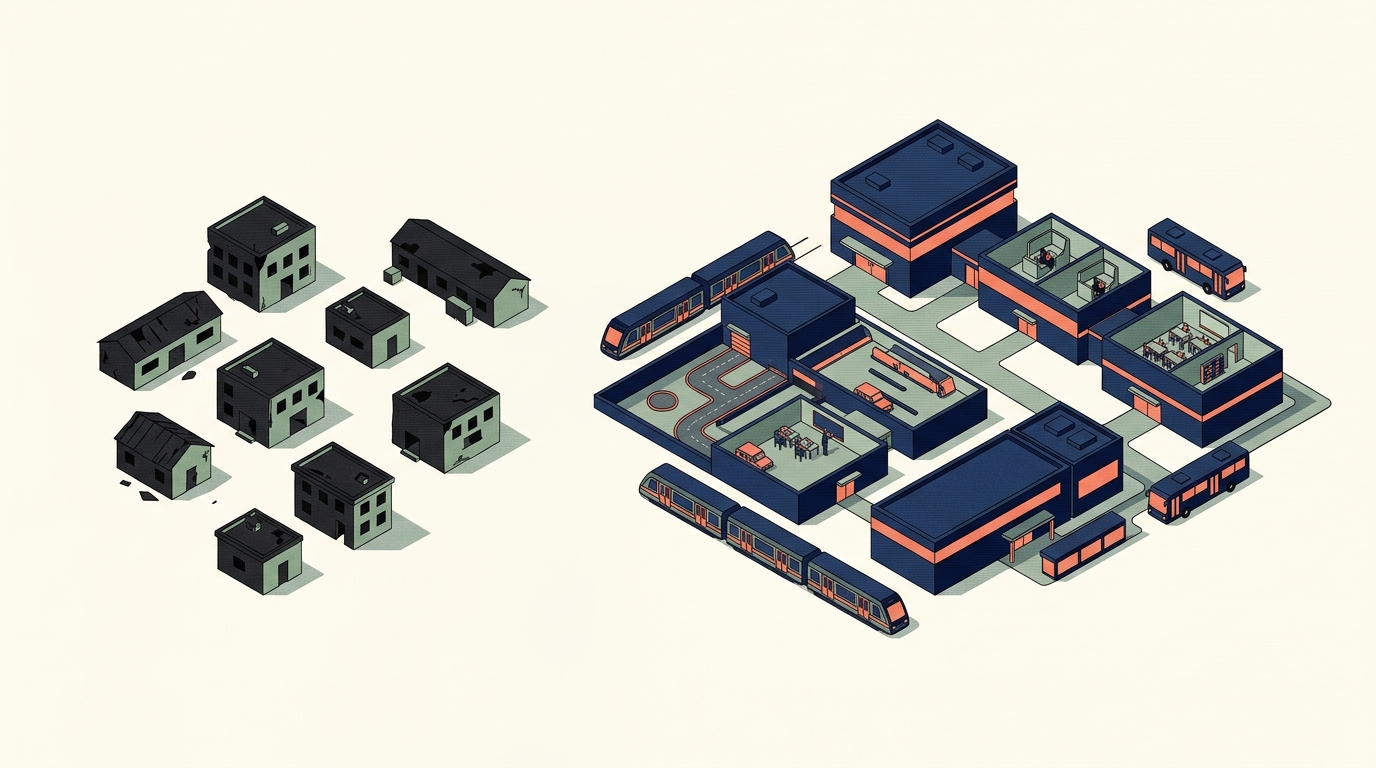
The money will go toward three connected projects: replacing the Metro Transit Police Department's outdated training building, creating a dedicated lot for commercial driver and police driver training, and establishing a consolidated training center covering every part of WMATA's operations, including bus, rail, paratransit, and the transit police force. Right now, no such unified facility exists.
The stakes behind this investment are hard to overstate. The Federal Transit Administration placed WMATA under direct federal safety oversight in 2017, the first time the agency had ever taken that step with a transit system anywhere in the country. The move came after years of accidents and near-misses, including a 2009 Red Line crash that killed nine people and a 2015 smoke incident in the L'Enfant Plaza tunnel that killed one passenger and injured dozens more. Federal investigators in both cases cited training failures as contributing factors.
The safety problems haven't fully resolved. In 2022, the FTA ordered WMATA to pull its entire 7000-series railcar fleet and retrain all operators after a series of derailments, a directive that cut rail service by roughly 40% for months. The training facilities this grant targets were part of what made retraining thousands of employees so difficult.
Workforce pressure has compounded the safety challenge. WMATA, like transit agencies across the country, bled operators and officers during and after the COVID-19 pandemic. At its worst in 2022, the agency was short hundreds of bus drivers and forced widespread service cuts. The Metro Transit Police have faced separate scrutiny over staffing shortages, with officers leaving for higher-paying agencies in the region. WMATA's general manager Randy Clarke, who took over in mid-2022, has made workforce development central to his turnaround effort, and the agency's own strategic plans have identified modern training infrastructure as essential to attracting and keeping workers in one of the country's most competitive labor markets.
The grant flows through the Federal Transit Administration's Section 5307 Urbanized Area Formula program, which distributes money to transit systems based on population and ridership metrics. The 2021 Bipartisan Infrastructure Law boosted that program by roughly 30%, and WMATA is directing this portion toward training rather than the more common uses like new buses or routine maintenance. The agency separately received $174 million to replace aging bus garages as part of its broader modernization effort.
WMATA faces a fiscal cliff that hangs over all of this: pandemic-era emergency aid is running out, and the agency is projecting budget deficits exceeding $750 million starting in the current fiscal cycle unless D.C., Maryland, and Virginia agree on new dedicated funding. Whether those negotiations produce a durable funding agreement will determine how far the agency's rebuilding effort can actually go.