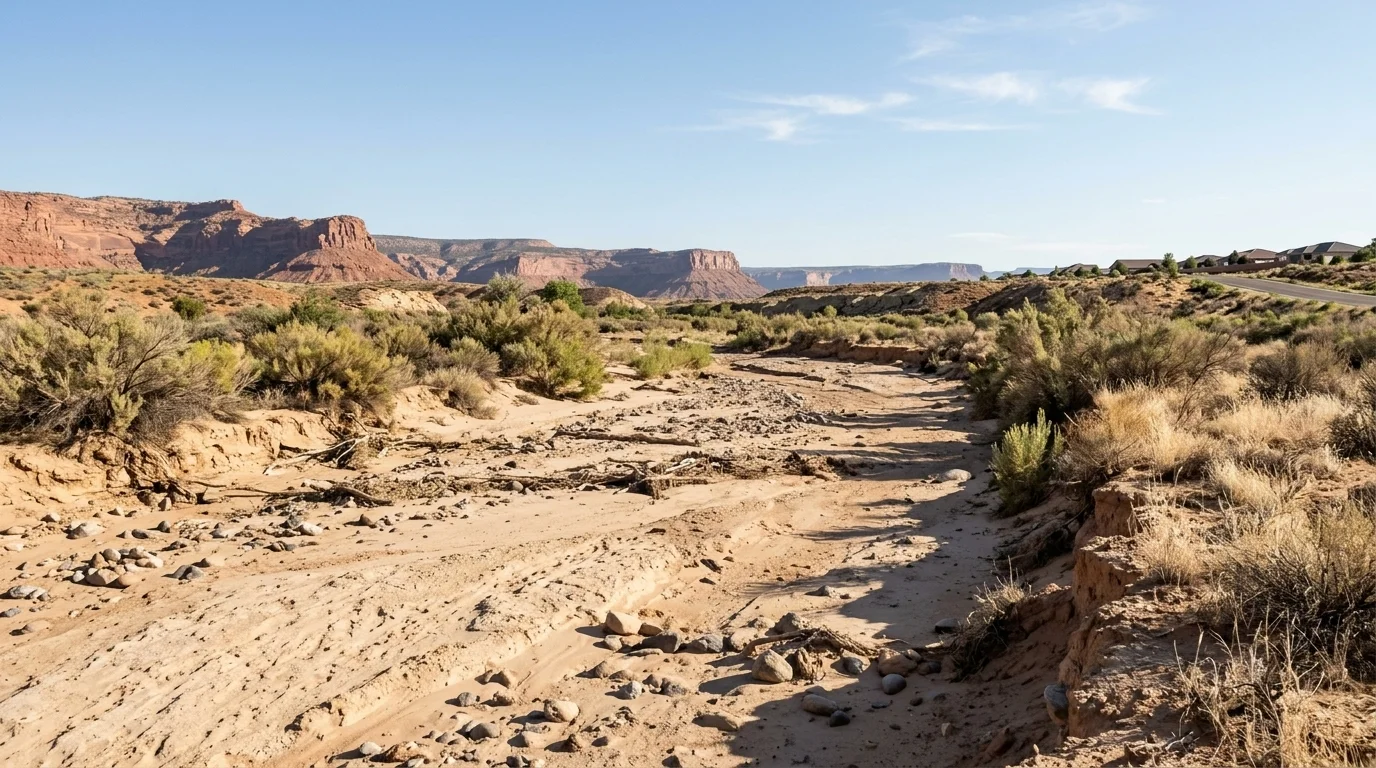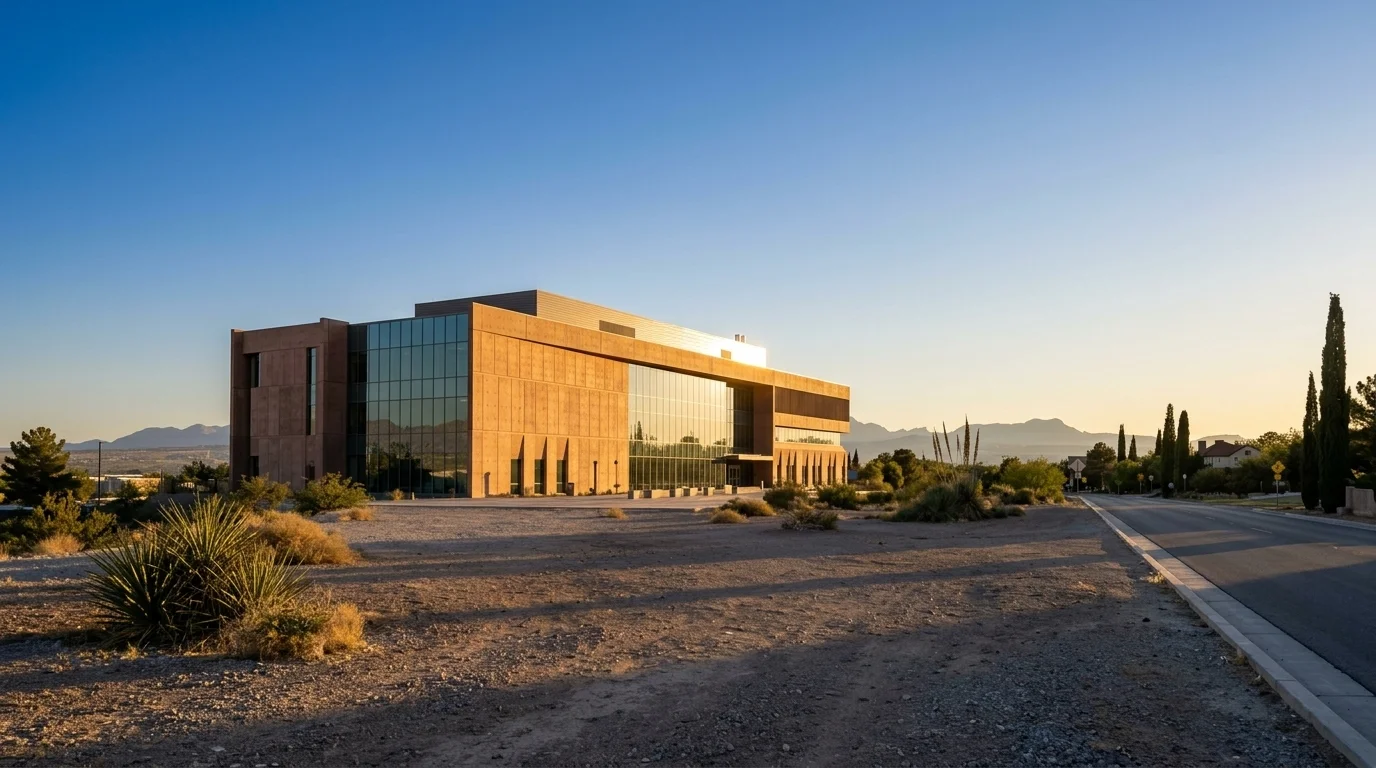
A heritage site in southern New Mexico that told the story of one of North America's oldest trade routes is coming down for good. The state Department of Cultural Affairs is moving to demolish the El Camino Real Historic Trail Site near Socorro, razing its structures and restoring the land to natural conditions rather than simply closing or mothballing it.
The site was built to interpret El Camino Real de Tierra Adentro, the roughly 1,600-mile royal road connecting Mexico City to northern New Mexico that served as the economic and cultural spine of the Spanish colonial frontier for nearly 300 years. From the time Juan de Oñate led the first Spanish colonizing expedition north in 1598 through the mid-1800s, the trail carried colonists, missionaries, soldiers, and merchants across some of the continent's most remote terrain. Congress designated it a National Historic Trail in 2000, and UNESCO inscribed the Mexican portion as a World Heritage Site a decade later.
The interpretive center the state built in partnership with the Bureau of Land Management featured museum exhibits on the diverse peoples who shaped the corridor: Indigenous, Spanish, Mexican, and American. But the site's location deep in rural Socorro County, far from the tourist corridors of Santa Fe and Albuquerque, kept visitation low while operating costs stayed high. New Mexico, which consistently ranks among the poorest states by per capita income and funds its budget heavily through volatile oil and gas revenues, has faced mounting pressure to cut cultural spending as Governor Michelle Lujan Grisham prioritizes education and early childhood programs.
The decision to fully demolish rather than simply lock the doors signals the state has concluded the structures are either a liability or simply not worth the cost of preservation. It fits a pattern playing out across the American West, where federal and state agencies manage enormous portfolios of heritage sites against perpetual maintenance backlogs. The National Park Service alone carries more than $23 billion in deferred maintenance.
For New Mexico, which markets itself as the "Land of Enchantment" and leans heavily on cultural tourism, the move carries symbolic weight. Hispanic communities in the region have deep ties to Camino Real history, and preservation advocates and trail organizations are likely to push back once the demolition plans become widely known. Whether BLM, which co-managed the site as part of the federal-state partnership, has weighed in on the state's decision to permanently remove its portion of the site is not yet clear.
The state posted the solicitation for demolition contractors on April 22. No timeline for completing the work has been made public.