Smyth County, Virginia is receiving $265,467 in federal money to clear flood debris and shore up eroding land after a 2025 flooding event hit the rural Appalachian county, according to a grant posted by the USDA's Natural Resources Conservation Service.
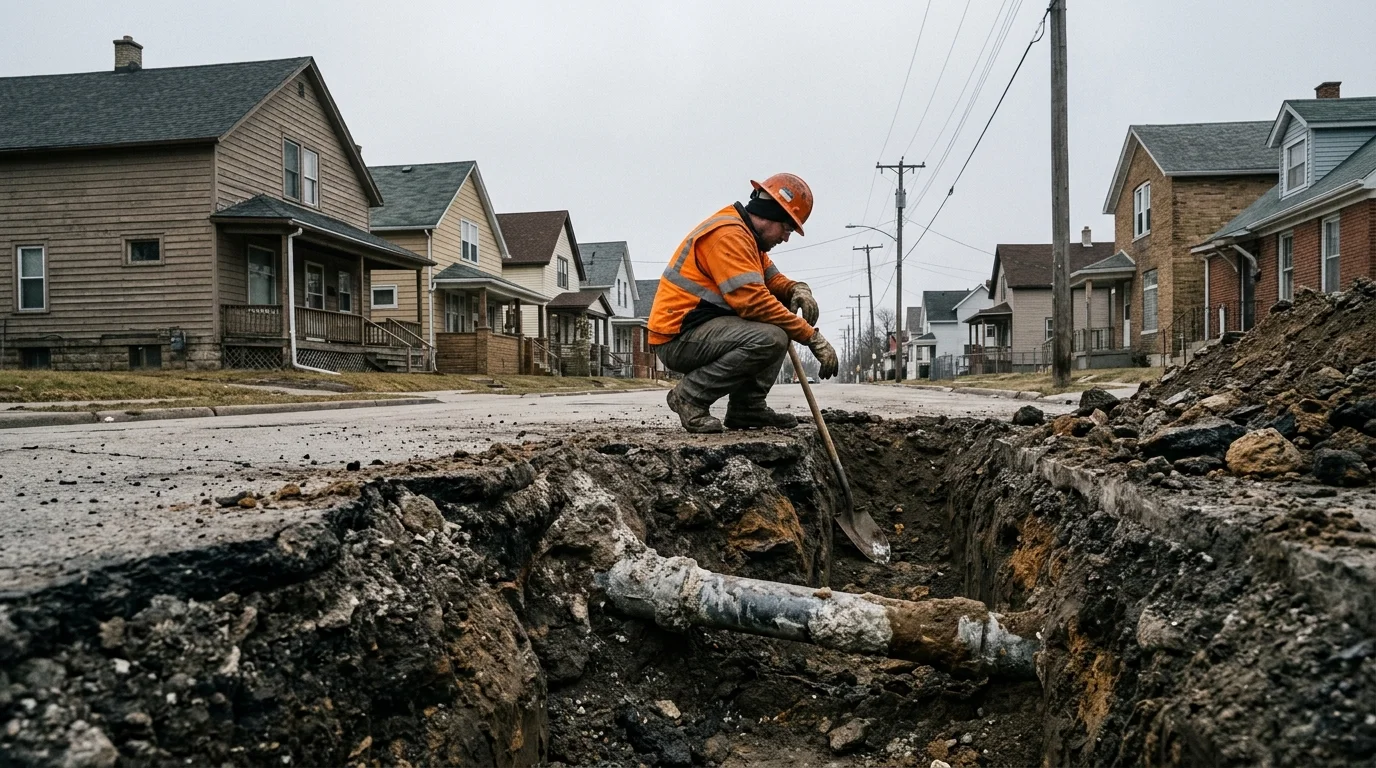
The funding comes through USDA's Emergency Watershed Protection Program, one of the federal government's oldest disaster-response tools for communities hit by sudden flooding, landslides, or other events that destabilize land and waterways. The work covers two types of recovery: removing debris from streams and channels so water can flow without backing up into homes or fields, and stabilizing eroded banks to prevent further collapse.
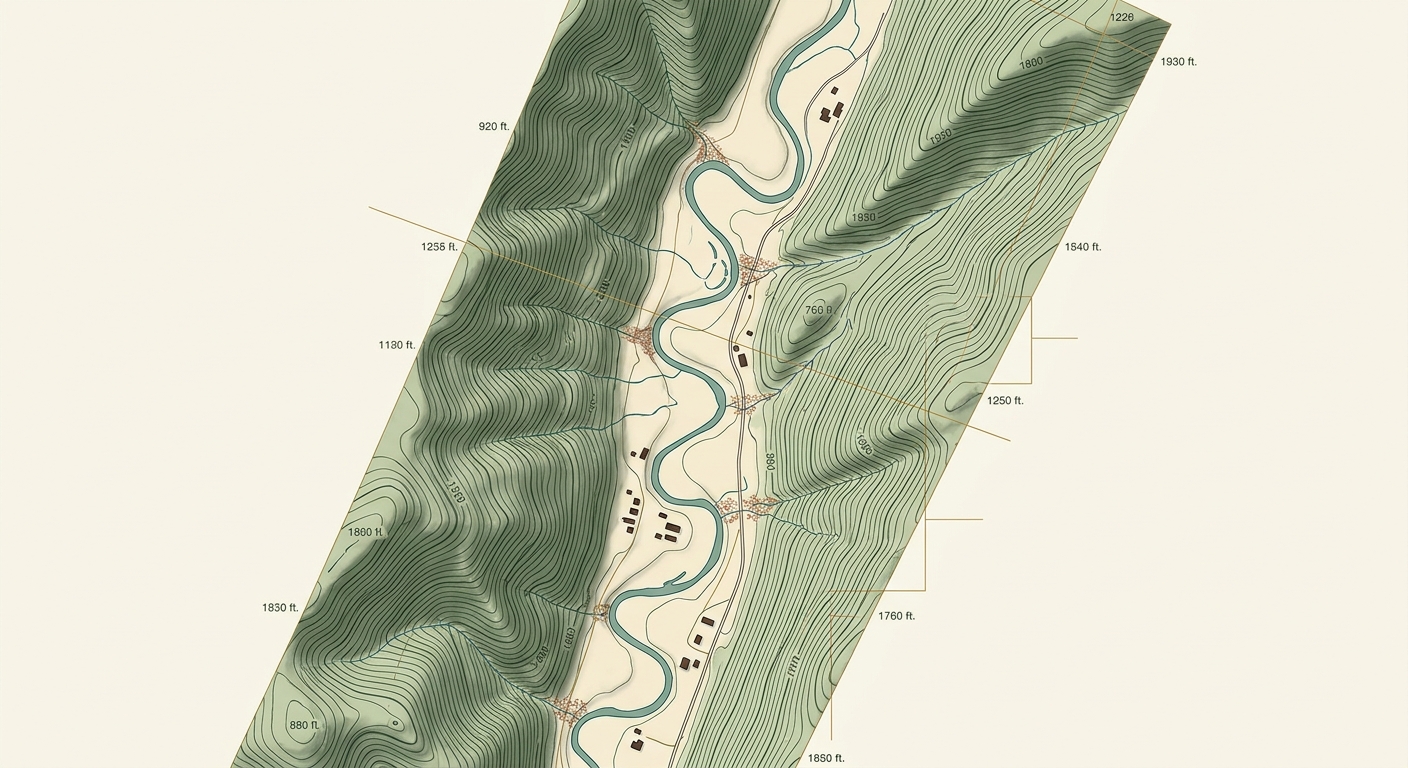
Smyth County sits in Virginia's far southwest, tucked between the Blue Ridge and Allegheny mountains, with the Middle Fork Holston River and its tributaries threading through narrow valleys. That terrain makes flash flooding a recurring threat. Steep hillsides funnel rain quickly into valley streams, overwhelming channels and sending debris downstream. Researchers and federal climate agencies have documented a long-term increase in short-duration extreme rainfall events across the central Appalachians, and southwestern Virginia has seen repeated federal disaster declarations in recent decades.
The total project cost runs to roughly $354,000. The federal grant covers about 75 percent, which is standard for the Emergency Watershed Protection Program. The remaining 25 percent, approximately $88,000, falls to a local sponsor, typically the county or its soil and water conservation district. That cost-share requirement is not trivial for a county of around 30,000 people where median household income runs well below state and national averages and the tax base has shrunk alongside manufacturing and population losses over the past generation.
The grant posted in March 2026, about a year after the flooding event it references. That lag is typical for the program: after a disaster, local officials request help, NRCS engineers conduct a site-by-site damage survey, and projects move through design and funding review before money is formally obligated. The timeline can feel slow for communities living with unstable streambanks and debris-choked channels in the meantime.
It is not yet clear whether this flooding was a distinct spring 2025 event or connected to the tail effects of Hurricane Helene, which devastated parts of western North Carolina and southwestern Virginia in September 2024 and prompted broad deployment of NRCS emergency resources across the region.
Cleanup and stabilization work under this grant will address one identified site. Whether that is enough to meaningfully reduce flood risk in the affected watershed, or whether Smyth County faces additional recovery costs at other locations, remains an open question as the county moves through project implementation.